THE ADVENTURE COLLECTIVE® · Independent discovery and booking for outdoor travel

A guided, all-inclusive 2-day backcountry canoe trip into Algonquin Provincial Park. Expect guided paddling, taught campcraft, wildlife viewing, and overnight tent camping with all gear and meals provided.
A guided, all-inclusive 2-day backcountry canoe trip into Algonquin Provincial Park. Expect guided paddling, taught campcraft, wildlife viewing, and overnight tent camping with all gear and meals provided.
You push off from a quiet put-in as the lake yawns open ahead—water sliding past the canoe like a patient companion. Paddles carve a slow rhythm; pines lean close and the sky widens. Algonquin’s interlocking lakes and rivers unfold in a patchwork of islands, rocky ledges and shallow bays where loons call across still water.
Verified experiences and guided adventures in the surrounding area.
Operated by Driftwood Paddle Algonquin · Huntsville, Ontario
You push off from a quiet put-in as the lake yawns open ahead—water sliding past the canoe like a patient companion. Paddles carve a slow rhythm; pines lean close and the sky widens. Algonquin’s interlocking lakes and rivers unfold in a patchwork of islands, rocky ledges and shallow bays where loons call across still water.
The park sits on the Precambrian bedrock of the Canadian Shield, its exposed granite and thin soils shaped by glaciers. Human history here includes Indigenous travel routes and later logging roads; today the park is managed for both recreation and conservation, with backcountry zones kept deliberately remote. Cultural echoes arrive in campsite names and guide lore—stories of early voyageurs and naturalists who mapped these waterways.
Expect two days of guided paddling: lake crossings, short portages over rock and roots, and slow exploration of sheltered bays. Typical daily paddling ranges from 6–15 km with portages from a few hundred metres to roughly 1–1.5 km; elevation change is minimal but packs feel heavy. Wildlife is part of the itinerary—moose may feed along shorelines and beaver activity marks many inlets.
Practically, arrive with layered clothes and a waterproof dry bag; wake early for glassy-water paddling and use headlamps around camp. Guides handle route planning, meals, tents and safety briefings, but participants should be comfortable with basic paddling and moving gear during portages. Hydrate frequently, protect food from critters, and plan for changing weather—Algonquin can shift from bright sun to wind-driven showers in hours. Leave no trace, respect quiet hours, and you’ll return with skills, stories and a quieter kind of calm.
moderate.
2 days (≈48 hours).
Moderate fitness—able to paddle for several hours and carry packs during short portages.
No; guides provide instruction on paddling technique and safe portaging, but you should be comfortable with moderate physical activity.
The trip includes all meals, snacks, canoes, tents, sleeping bags, cooking supplies and guide leadership as listed in the inclusion details.
Participants should have at least a moderate fitness level; infants and small children may be accommodated with advance notice—confirm specifics with the operator.
Trips can be modified or canceled for severe weather. Expect variable conditions; waterproof clothing and layered insulation are recommended.
Algonquin sits on ancient Precambrian rock and long-standing Indigenous travel corridors; later it became a site for logging and early Canadian wilderness tourism.
The park emphasizes backcountry zoning and leave-no-trace practices; guided trips help reduce impact by concentrating use and following established campsite rules.
Driftwood Paddle Algonquin operates guided outdoor trips and adventures with an emphasis on safety, stewardship, and memorable experiences.

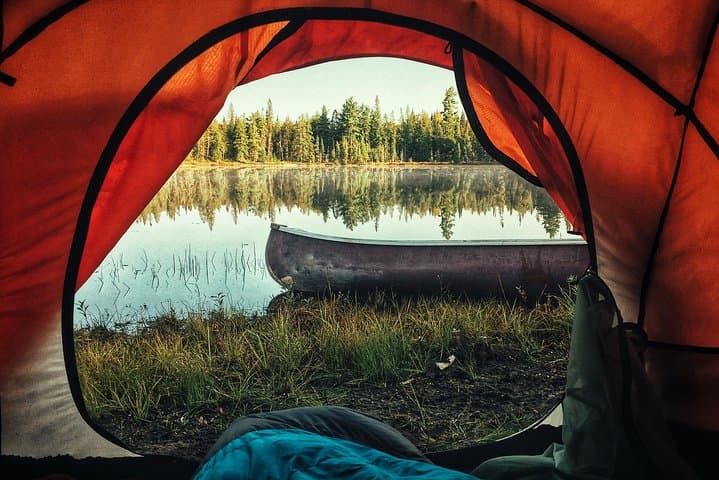

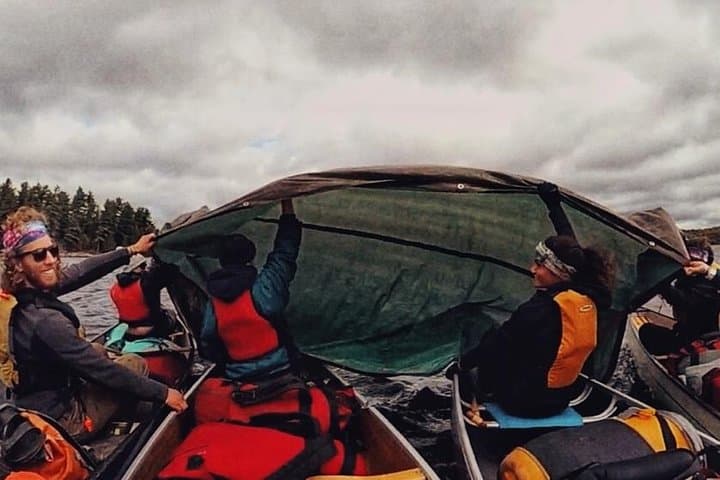
You push off from a quiet put-in as the lake yawns open ahead—water sliding past the canoe like a patient companion. Paddles carve a slow rhythm; pines lean close and the sky widens. Algonquin’s interlocking lakes and rivers unfold in a patchwork of islands, rocky ledges and shallow bays where loons call across still water.
You push off from a quiet put-in as the lake yawns open ahead—water sliding past the canoe like a patient companion. Paddles carve a slow rhythm; pines lean close and the sky widens. Algonquin’s interlocking lakes and rivers unfold in a patchwork of islands, rocky ledges and shallow bays where loons call across still water.
The park sits on the Precambrian bedrock of the Canadian Shield, its exposed granite and thin soils shaped by glaciers. Human history here includes Indigenous travel routes and later logging roads; today the park is managed for both recreation and conservation, with backcountry zones kept deliberately remote. Cultural echoes arrive in campsite names and guide lore—stories of early voyageurs and naturalists who mapped these waterways.
Expect two days of guided paddling: lake crossings, short portages over rock and roots, and slow exploration of sheltered bays. Typical daily paddling ranges from 6–15 km with portages from a few hundred metres to roughly 1–1.5 km; elevation change is minimal but packs feel heavy. Wildlife is part of the itinerary—moose may feed along shorelines and beaver activity marks many inlets.
Practically, arrive with layered clothes and a waterproof dry bag; wake early for glassy-water paddling and use headlamps around camp. Guides handle route planning, meals, tents and safety briefings, but participants should be comfortable with basic paddling and moving gear during portages. Hydrate frequently, protect food from critters, and plan for changing weather—Algonquin can shift from bright sun to wind-driven showers in hours. Leave no trace, respect quiet hours, and you’ll return with skills, stories and a quieter kind of calm.