THE ADVENTURE COLLECTIVE® · Independent discovery and booking for outdoor travel

A private 8‑day loop from Colombo that threads Sri Lanka’s highland tea estates, cultural heartlands and Sigiriya’s ancient summit into one manageable itinerary. Expect moderate drives, short hikes, rich food and layered history.
A private 8‑day loop from Colombo that threads Sri Lanka’s highland tea estates, cultural heartlands and Sigiriya’s ancient summit into one manageable itinerary. Expect moderate drives, short hikes, rich food and layered history.
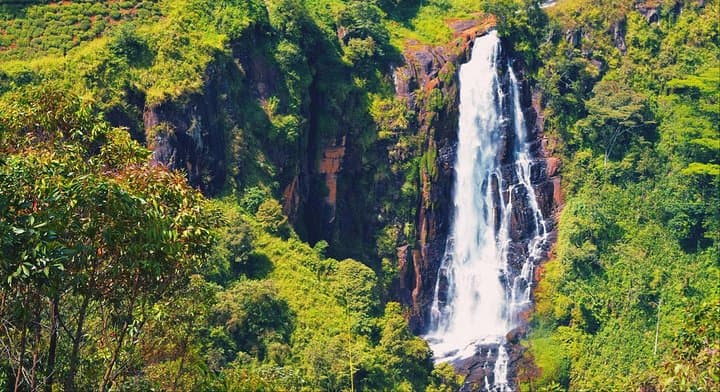
On the first morning a driver eases out of Colombo’s glass-and-concrete pulse and the island’s humidity leans into the car window—sweet, green, and a little sharp. Over eight days this private loop stitches together tea-slope vistas, colonial seaside streets, and a volcanic-age outcrop that still challenges the body and imagination: Sigiriya. The rhythm alternates between long drives and short, intense climbs; between slow, fragrant tea-house conversations and the steady click of temple bells.
Verified experiences and guided adventures in the surrounding area.
Operated by Travelling Lanka · Colombo, Western Province
On the first morning a driver eases out of Colombo’s glass-and-concrete pulse and the island’s humidity leans into the car window—sweet, green, and a little sharp. Over eight days this private loop stitches together tea-slope vistas, colonial seaside streets, and a volcanic-age outcrop that still challenges the body and imagination: Sigiriya. The rhythm alternates between long drives and short, intense climbs; between slow, fragrant tea-house conversations and the steady click of temple bells.
Sri Lanka’s story is visible in the layers you pass. Coastal Colombo speaks of 19th‑century trade and British urban planning; the highlands around Nuwara Eliya are the product of nineteenth-century British hill stations carved out of former montane forest; and Sigiriya—an iron-hard chunk of Precambrian rock rising about 200 meters—was crowned by a 5th‑century king who turned the summit into a palace and painted his legacy on the surrounding rock-face.
Geology hands you the structure—the island’s central massif and eroded plateaus—while culture fills the margins: Buddhist temples with lotus-offerings, Tamil and Sinhalese markets trading in spices and fresh jackfruit, and tea estates where plucking is still done by hand. You’ll cross lowland paddy plains where water dares the farmer, and climb stone steps where centuries of visitors have smoothed the tread.
Practically, this is a private, door-to-door route designed for couples or small groups who want an interpretive, relaxed pace without logistics stress. Key stops usually include Colombo, Kandy (cultural capital), the tea estates of Nuwara Eliya, the rock fortress at Sigiriya, and southern coast options like Galle. Expect mid-length drives—two to five hours between major stops—and a handful of short hikes: Sigiriya’s ascent (roughly 1,000–1,200 steps) and short nature walks through tea fields and national-park fringes.
Plan mornings for the busiest sights: sunrise or early entrance at Sigiriya avoids midday heat and tour buses. Wear closed shoes for the stair sections and a light, long-sleeve layer for temple visits—shoulders and knees are commonly required. Cash is useful for small vendors, temple donations, and rural tea huts; ATMs are plentiful in cities but sparse in smaller towns.
Food-wise, Sri Lankan rice-and-curry, hoppers, and grilled seafood are widely available—ask your guide for regional specialties and any dietary needs in advance. Mosquito repellent, sun protection, and a reusable water bottle are small items that materially improve the trip. For travelers who want context, ask to stop at a tea factory demonstration, and plan at least one evening walk in a colonial town like Galle for light, architecture, and street food.
This loop is as much about the country’s layers—geological, cultural, colonial—as it is about the sights. With sensible pacing and basic preparation it offers the full, tactile experience of Sri Lanka in a single, manageable circuit.
moderate.
7–8 days.
Suitable for travelers with basic fitness—able to walk several hours across a day and climb stairs; not strenuous but expect some steep sections like Sigiriya.
Yes—it's marketed as physically easy overall, but seniors should note the Sigiriya climb and discuss any mobility limits with the operator to adjust the itinerary.
Pickups can be arranged from Colombo hotels, Kandy, the airport, or port—specify your preferred pickup point when booking.
Meals vary by booking—most packages include transportation and accommodations; check with the supplier for meal inclusions and special-diet accommodations.
Most travellers require an ETA (Electronic Travel Authorization) before arrival—check your country’s requirements and arrange the ETA online in advance.
The operator lists wheelchair-accessible transport, but many heritage sites and Sigiriya have stairs and uneven ground—access to specific attractions may be limited.
Yes—this private tour is designed to be flexible; discuss must-see stops and pace with the supplier when you book.
The route crosses Sri Lanka’s layered past: ancient hill capitals and Buddhist centers, plus colonial-era tea plantations developed by the British in the 19th century.
Stick to marked paths in protected areas, support licensed elephant sanctuaries instead of riding, and buy tea directly from estate shops that practice sustainable harvesting.
Travelling Lanka operates guided outdoor trips and adventures with an emphasis on safety, stewardship, and memorable experiences.

On the first morning a driver eases out of Colombo’s glass-and-concrete pulse and the island’s humidity leans into the car window—sweet, green, and a little sharp. Over eight days this private loop stitches together tea-slope vistas, colonial seaside streets, and a volcanic-age outcrop that still challenges the body and imagination: Sigiriya. The rhythm alternates between long drives and short, intense climbs; between slow, fragrant tea-house conversations and the steady click of temple bells.
On the first morning a driver eases out of Colombo’s glass-and-concrete pulse and the island’s humidity leans into the car window—sweet, green, and a little sharp. Over eight days this private loop stitches together tea-slope vistas, colonial seaside streets, and a volcanic-age outcrop that still challenges the body and imagination: Sigiriya. The rhythm alternates between long drives and short, intense climbs; between slow, fragrant tea-house conversations and the steady click of temple bells.
Sri Lanka’s story is visible in the layers you pass. Coastal Colombo speaks of 19th‑century trade and British urban planning; the highlands around Nuwara Eliya are the product of nineteenth-century British hill stations carved out of former montane forest; and Sigiriya—an iron-hard chunk of Precambrian rock rising about 200 meters—was crowned by a 5th‑century king who turned the summit into a palace and painted his legacy on the surrounding rock-face.
Geology hands you the structure—the island’s central massif and eroded plateaus—while culture fills the margins: Buddhist temples with lotus-offerings, Tamil and Sinhalese markets trading in spices and fresh jackfruit, and tea estates where plucking is still done by hand. You’ll cross lowland paddy plains where water dares the farmer, and climb stone steps where centuries of visitors have smoothed the tread.
Practically, this is a private, door-to-door route designed for couples or small groups who want an interpretive, relaxed pace without logistics stress. Key stops usually include Colombo, Kandy (cultural capital), the tea estates of Nuwara Eliya, the rock fortress at Sigiriya, and southern coast options like Galle. Expect mid-length drives—two to five hours between major stops—and a handful of short hikes: Sigiriya’s ascent (roughly 1,000–1,200 steps) and short nature walks through tea fields and national-park fringes.
Plan mornings for the busiest sights: sunrise or early entrance at Sigiriya avoids midday heat and tour buses. Wear closed shoes for the stair sections and a light, long-sleeve layer for temple visits—shoulders and knees are commonly required. Cash is useful for small vendors, temple donations, and rural tea huts; ATMs are plentiful in cities but sparse in smaller towns.
Food-wise, Sri Lankan rice-and-curry, hoppers, and grilled seafood are widely available—ask your guide for regional specialties and any dietary needs in advance. Mosquito repellent, sun protection, and a reusable water bottle are small items that materially improve the trip. For travelers who want context, ask to stop at a tea factory demonstration, and plan at least one evening walk in a colonial town like Galle for light, architecture, and street food.
This loop is as much about the country’s layers—geological, cultural, colonial—as it is about the sights. With sensible pacing and basic preparation it offers the full, tactile experience of Sri Lanka in a single, manageable circuit.