THE ADVENTURE COLLECTIVE® · Independent discovery and booking for outdoor travel

Spend sunrise to sunset chasing largemouth bass on Lake Okeechobee with a local captain who knows where the big fish hide. This full-day outing mixes hands-on instruction with chances at trophy catches across the lake’s vast flats and marsh edges.
Spend sunrise to sunset chasing largemouth bass on Lake Okeechobee with a local captain who knows where the big fish hide. This full-day outing mixes hands-on instruction with chances at trophy catches across the lake’s vast flats and marsh edges.
The boat slides away from the dock before dawn, the 21-foot hull cutting a ribbon through mist that clings to the lake like a curtain. Lake Okeechobee opens wide—flat and shallow, a page of water framed by sawgrass and marsh islands. Pelicans wheel low, anhingas sit like dark ornaments on cypress snags, and somewhere under that green surface a largemouth bass is reading the water like an open book. Your captain eases into a cast and the day begins.
Verified experiences and guided adventures in the surrounding area.
Operated by Bass Online Fishing Trips · Okeechobee, Florida
The boat slides away from the dock before dawn, the 21-foot hull cutting a ribbon through mist that clings to the lake like a curtain. Lake Okeechobee opens wide—flat and shallow, a page of water framed by sawgrass and marsh islands. Pelicans wheel low, anhingas sit like dark ornaments on cypress snags, and somewhere under that green surface a largemouth bass is reading the water like an open book. Your captain eases into a cast and the day begins.
This is Florida’s inland ocean: the state’s largest freshwater body, spreading across hundreds of square miles with an average depth measured in single digits of feet. Geologically it’s a remnant prairie basin, its peat and muck shaped by rivers, storms and the subtle work of time. Human history here is layered—Indigenous peoples fished these waters for centuries; later, the Herbert Hoover Dike and agricultural expansion reshaped the lake and its rhythms. Today, Okeechobee is known as one of the world’s premier largemouth-bass fisheries, a place where tournament anglers chase trophy fish and weekend fishermen chase the same adrenaline.
The experience is straightforward and instructive. A local captain handles the boat, sets the lines, and reads structure—points, submerged vegetation, and tidal-style wind shifts that push fish toward riprap and lily pads. You’ll learn quick lessons in bait selection and retrieve cadence; the guides tailor instruction to every level, so novices leave with new skills while experienced anglers refine technique. Wildlife stakes its claim all day: alligators slide along reed edges, osprey drill for unsuspecting fish, and migrant shorebirds pepper the shallows.
Practicalities matter as much as the thrill. Plan for early starts—calm winds and low sun improve sight and casting. Florida requires anglers aged 16–65 to carry a current fishing license; the operator supplies rods, tackle and bottled water. Expect to be on the water for 4–9 hours aboard a modern 21' boat: enough time to run multiple productive zones across open flats and grass lines. Dress in light, breathable layers, bring sun protection and polarized sunglasses; seasickness meds can be useful on windy afternoons.
Conservation is visible in small ways: catch-and-release is common on larger bass, and local guides emphasize handling techniques that protect fish populations. By the time you head back to the launch—lines coiled, stories traded—you’ll understand why anglers return here year after year. The lake tests your skill, rewards patience, and offers a clear, elemental day on the water where the chase is as much about reading wind and water as it is about landing the fish.
easy.
4–9 hours.
Suitable for most fitness levels; you should be able to stand and brace on a moving boat for extended periods and handle casting and reel work.
Yes. Anglers aged 16–65 must have a Florida fishing license; purchase online before your trip or arrange in advance.
Yes. Rods, reels, tackle and bottled water are provided by the operator—bring personal lures if you have favorites.
Trips run on private bookings; the standard setup is a single group on a 21' boat—confirm capacity with the operator at booking.
Light, breathable layers, a wide-brim hat, polarized sunglasses and non-slip deck shoes; bring a light jacket for morning chill.
Children are welcome but must be accompanied by an adult; infants typically sit on laps and life vests are provided.
The operator runs in most weather conditions—check cancellation and refund policies which generally allow full refund if canceled 24 hours in advance.
Lake Okeechobee has been central to Indigenous and agricultural histories for centuries; the Hoover Dike and associated water management projects reshaped shoreline and fishing patterns in the 20th century.
Guides commonly practice catch-and-release for trophy fish and emphasize proper handling; anglers should use barbless or pinched-barb hooks to minimize harm.
Bass Online Fishing Trips operates guided outdoor trips and adventures with an emphasis on safety, stewardship, and memorable experiences.
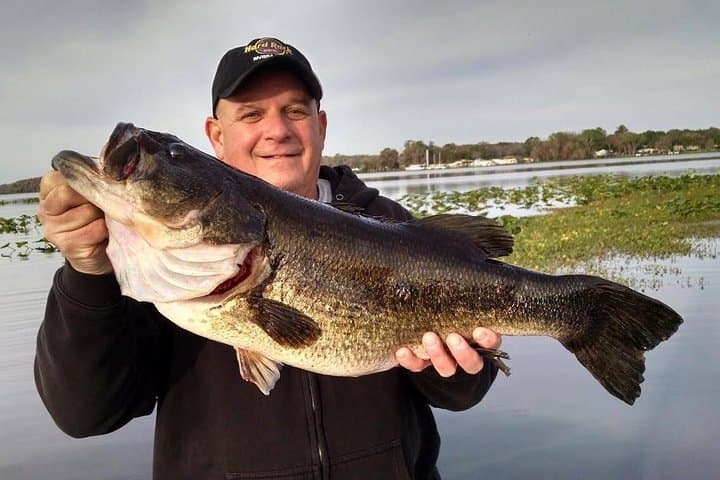
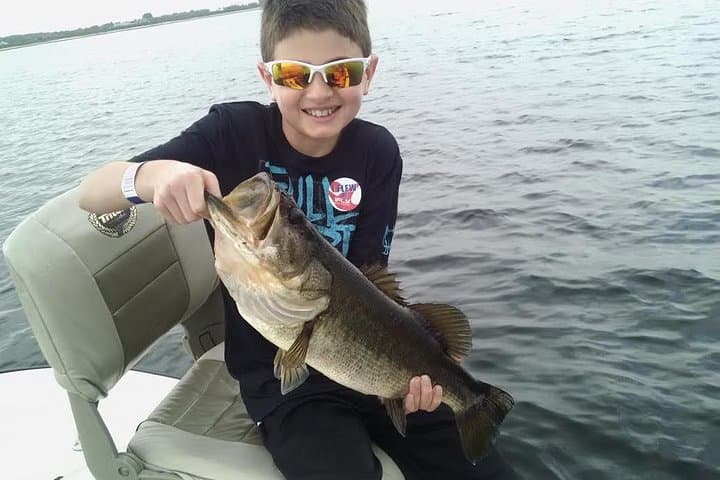
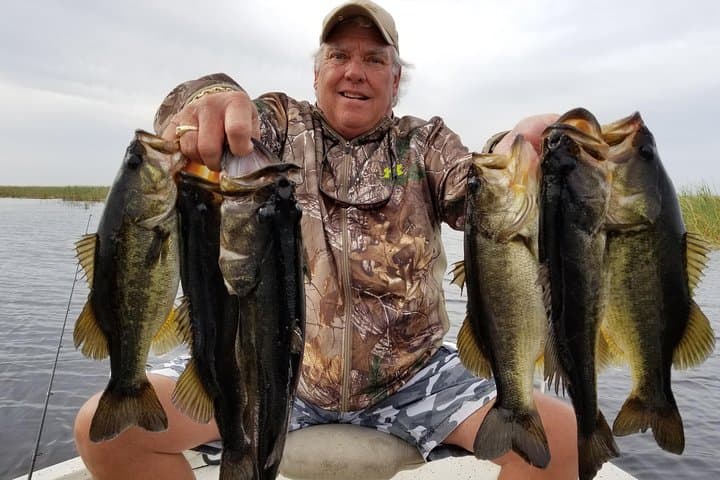
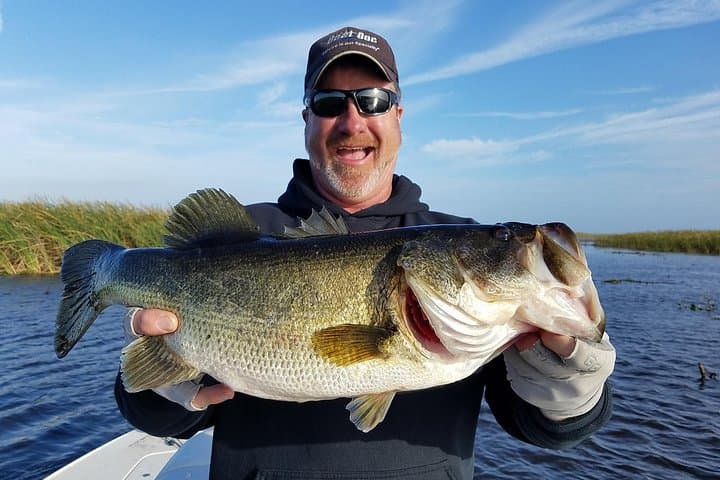
The boat slides away from the dock before dawn, the 21-foot hull cutting a ribbon through mist that clings to the lake like a curtain. Lake Okeechobee opens wide—flat and shallow, a page of water framed by sawgrass and marsh islands. Pelicans wheel low, anhingas sit like dark ornaments on cypress snags, and somewhere under that green surface a largemouth bass is reading the water like an open book. Your captain eases into a cast and the day begins.
The boat slides away from the dock before dawn, the 21-foot hull cutting a ribbon through mist that clings to the lake like a curtain. Lake Okeechobee opens wide—flat and shallow, a page of water framed by sawgrass and marsh islands. Pelicans wheel low, anhingas sit like dark ornaments on cypress snags, and somewhere under that green surface a largemouth bass is reading the water like an open book. Your captain eases into a cast and the day begins.
This is Florida’s inland ocean: the state’s largest freshwater body, spreading across hundreds of square miles with an average depth measured in single digits of feet. Geologically it’s a remnant prairie basin, its peat and muck shaped by rivers, storms and the subtle work of time. Human history here is layered—Indigenous peoples fished these waters for centuries; later, the Herbert Hoover Dike and agricultural expansion reshaped the lake and its rhythms. Today, Okeechobee is known as one of the world’s premier largemouth-bass fisheries, a place where tournament anglers chase trophy fish and weekend fishermen chase the same adrenaline.
The experience is straightforward and instructive. A local captain handles the boat, sets the lines, and reads structure—points, submerged vegetation, and tidal-style wind shifts that push fish toward riprap and lily pads. You’ll learn quick lessons in bait selection and retrieve cadence; the guides tailor instruction to every level, so novices leave with new skills while experienced anglers refine technique. Wildlife stakes its claim all day: alligators slide along reed edges, osprey drill for unsuspecting fish, and migrant shorebirds pepper the shallows.
Practicalities matter as much as the thrill. Plan for early starts—calm winds and low sun improve sight and casting. Florida requires anglers aged 16–65 to carry a current fishing license; the operator supplies rods, tackle and bottled water. Expect to be on the water for 4–9 hours aboard a modern 21' boat: enough time to run multiple productive zones across open flats and grass lines. Dress in light, breathable layers, bring sun protection and polarized sunglasses; seasickness meds can be useful on windy afternoons.
Conservation is visible in small ways: catch-and-release is common on larger bass, and local guides emphasize handling techniques that protect fish populations. By the time you head back to the launch—lines coiled, stories traded—you’ll understand why anglers return here year after year. The lake tests your skill, rewards patience, and offers a clear, elemental day on the water where the chase is as much about reading wind and water as it is about landing the fish.