THE ADVENTURE COLLECTIVE® · Independent discovery and booking for outdoor travel

A private, full-day drive from Paris that traces the American landings in Normandy — Utah Beach, Omaha, Pointe du Hoc and the Normandy American Cemetery — with a dedicated guide and flexible itinerary. Expect long driving segments, short historic walks and tide-dependent beach access.
A private, full-day drive from Paris that traces the American landings in Normandy — Utah Beach, Omaha, Pointe du Hoc and the Normandy American Cemetery — with a dedicated guide and flexible itinerary. Expect long driving segments, short historic walks and tide-dependent beach access.
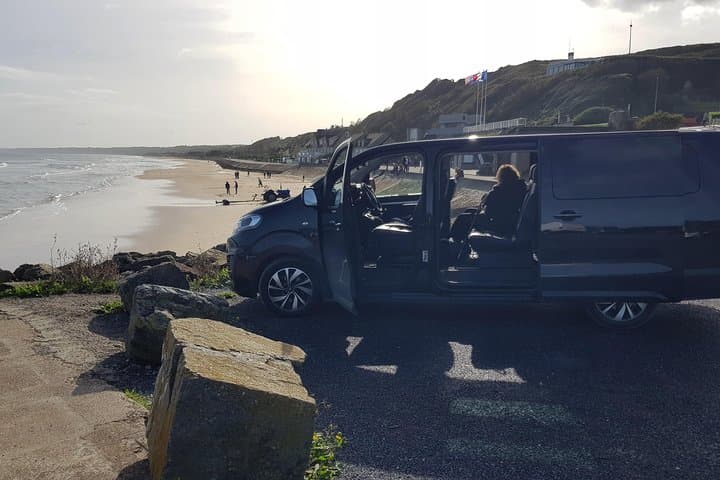
The morning opens on a low Norman sky as the private vehicle rolls out from Paris and the Seine gives way to hedgerows and grazing fields. By midmorning the coastline appears: a strip of sand and chalk cliffs that bear the weathered scars of 1944. Standing on Omaha or Utah Beach, the wind seems to push the past forward — surf that once received landing craft now laps at modern shells and memorials.
Verified experiences and guided adventures in the surrounding area.
Operated by Private Trip · Colleville-sur-Mer, Normandy
The morning opens on a low Norman sky as the private vehicle rolls out from Paris and the Seine gives way to hedgerows and grazing fields. By midmorning the coastline appears: a strip of sand and chalk cliffs that bear the weathered scars of 1944. Standing on Omaha or Utah Beach, the wind seems to push the past forward — surf that once received landing craft now laps at modern shells and memorials.
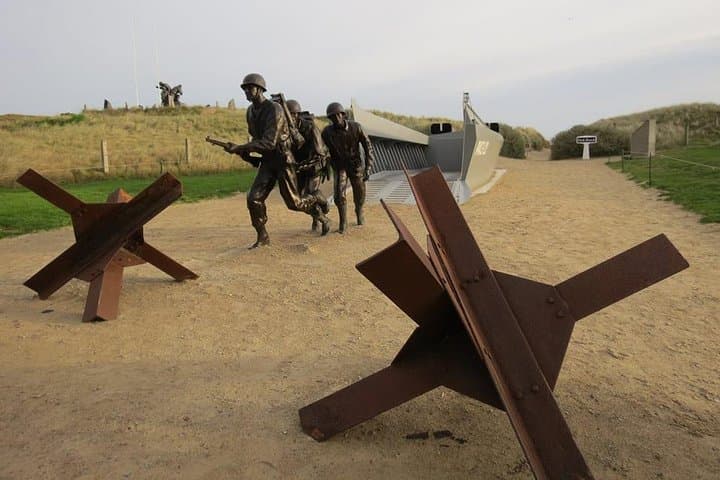
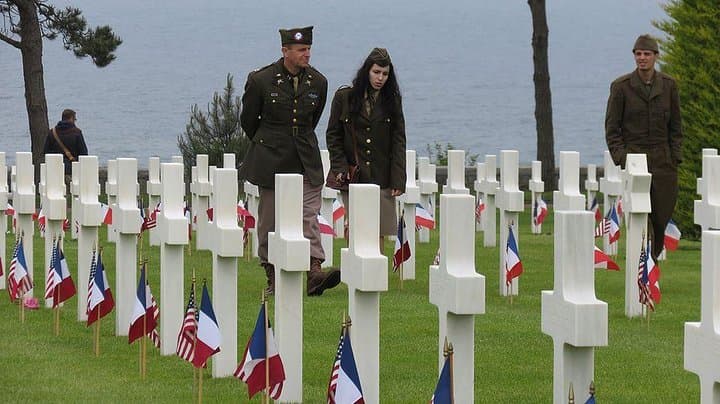
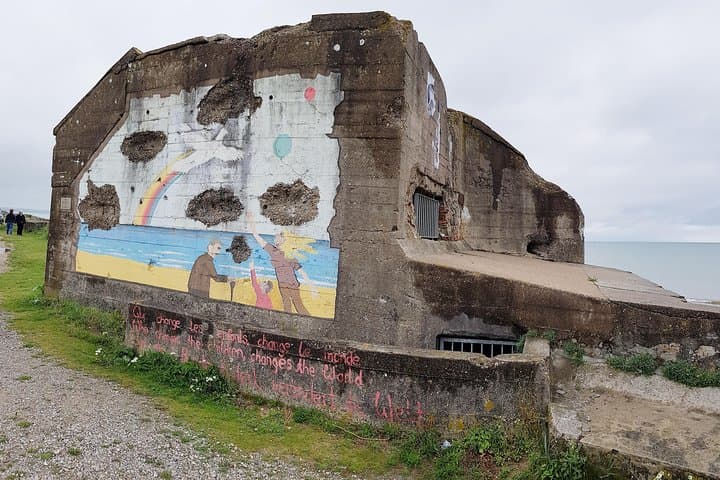
This itinerary follows the American sectors of the Normandy invasion: airborne drop zones around Sainte-Mère-Église, the deceptive flat of Utah, the long, rubble-strewn strip of Omaha, the battered cliffs of Pointe du Hoc and the neatly ordered graves at the Normandy American Cemetery. Geology matters here — soft sedimentary cliffs, tidal flats and a wide continental shelf shaped operations and obstacles for assault forces. Locally, villages retain brick-and-timber architecture and a quiet agricultural pace; museums and small memorials anchor a living culture of commemoration.
Practical guidance: expect a full 12–13 hour day with most transit by private vehicle and short, uneven walks at sites. Tides can limit beach access, and museums have set opening hours — ask your guide about tide windows and tailor the route if you have family research requests. Dress in layered, windproof clothes and wear sturdy shoes for gravel, grass and occasional mud. Bring water, a small daypack for documents and a respectful attitude: these are active commemorative landscapes. For travelers who want deeper context, request a guide versed in unit histories or genealogical follow-up — many operators will tailor stops to a regiment, cemetery plot or veteran’s story.
easy.
12–13 hours.
Suitable for most fitness levels; the day is vehicle-based with intermittent short walks over uneven ground
This is a private day tour (about 12–13 hours) departing from central Paris with hotel pickup and return included.
Yes—walking the beaches is possible but depends on tide and weather; guides will plan stops accordingly.
The operator indicates wheelchair accessibility, but some beaches and cliff access points have uneven terrain—confirm specific mobility needs when booking.
Yes—bookers are encouraged to provide names or divisions in advance so the guide can prepare personalized historical information.
This coastline was the focal point of Operation Overlord on 6 June 1944; American airborne and amphibious operations sought to secure beachheads and suppress German coastal batteries, shaping the course of WWII in Western Europe.
Coastal erosion and rising seas alter access to historic sites; visitors should stay on paths, respect fenced-off archaeological areas and follow guidance to protect fragile habitats.
Private Trip operates guided outdoor trips and adventures with an emphasis on safety, stewardship, and memorable experiences.
The morning opens on a low Norman sky as the private vehicle rolls out from Paris and the Seine gives way to hedgerows and grazing fields. By midmorning the coastline appears: a strip of sand and chalk cliffs that bear the weathered scars of 1944. Standing on Omaha or Utah Beach, the wind seems to push the past forward — surf that once received landing craft now laps at modern shells and memorials.
The morning opens on a low Norman sky as the private vehicle rolls out from Paris and the Seine gives way to hedgerows and grazing fields. By midmorning the coastline appears: a strip of sand and chalk cliffs that bear the weathered scars of 1944. Standing on Omaha or Utah Beach, the wind seems to push the past forward — surf that once received landing craft now laps at modern shells and memorials.
This itinerary follows the American sectors of the Normandy invasion: airborne drop zones around Sainte-Mère-Église, the deceptive flat of Utah, the long, rubble-strewn strip of Omaha, the battered cliffs of Pointe du Hoc and the neatly ordered graves at the Normandy American Cemetery. Geology matters here — soft sedimentary cliffs, tidal flats and a wide continental shelf shaped operations and obstacles for assault forces. Locally, villages retain brick-and-timber architecture and a quiet agricultural pace; museums and small memorials anchor a living culture of commemoration.
Practical guidance: expect a full 12–13 hour day with most transit by private vehicle and short, uneven walks at sites. Tides can limit beach access, and museums have set opening hours — ask your guide about tide windows and tailor the route if you have family research requests. Dress in layered, windproof clothes and wear sturdy shoes for gravel, grass and occasional mud. Bring water, a small daypack for documents and a respectful attitude: these are active commemorative landscapes. For travelers who want deeper context, request a guide versed in unit histories or genealogical follow-up — many operators will tailor stops to a regiment, cemetery plot or veteran’s story.