THE ADVENTURE COLLECTIVE® · Independent discovery and booking for outdoor travel

Discover Alicante by bike on a relaxed 2–3 hour tour that pairs historic neighborhoods with tapas tastings. Pedal safe bike paths, stop at two bars for tapas and drinks, and take in castle and coastal views.
Discover Alicante by bike on a relaxed 2–3 hour tour that pairs historic neighborhoods with tapas tastings. Pedal safe bike paths, stop at two bars for tapas and drinks, and take in castle and coastal views.
You start on a narrow old-town street, cobbles softening under rubber tires while the Mediterranean light sharpens the ochre façades. Pedaling at a relaxed pace, the city opens in vignettes: a Gothic church tower, century-old ficus trees, and a promenade that pushes the sea’s scent toward you like an invitation.
Verified experiences and guided adventures in the surrounding area.
Operated by Alicante by Bike · Alicante, Alicante
You start on a narrow old-town street, cobbles softening under rubber tires while the Mediterranean light sharpens the ochre façades. Pedaling at a relaxed pace, the city opens in vignettes: a Gothic church tower, century-old ficus trees, and a promenade that pushes the sea’s scent toward you like an invitation.
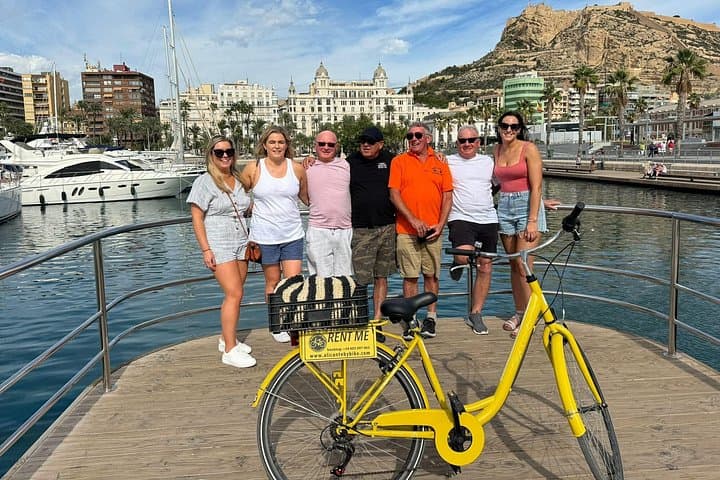
Alicante’s streets trace layers of history — Iberian and Roman roots, a Moorish plan, and later expansions around the port — while Santa Bárbara Castle watches from the benched rock above, a reminder of strategic geology and centuries of coastal defense. The ride threads bike paths, pedestrian plazas and low-rise neighborhoods where tapas culture is a daily ritual: small plates that evolved from simple, regional ingredients into a social way of eating.
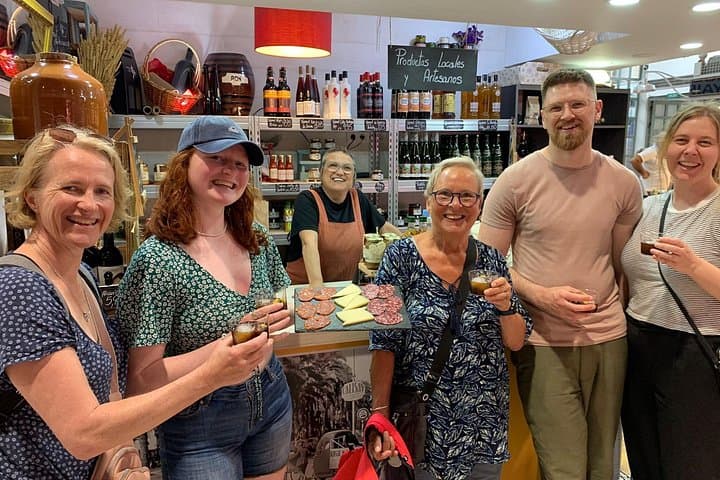
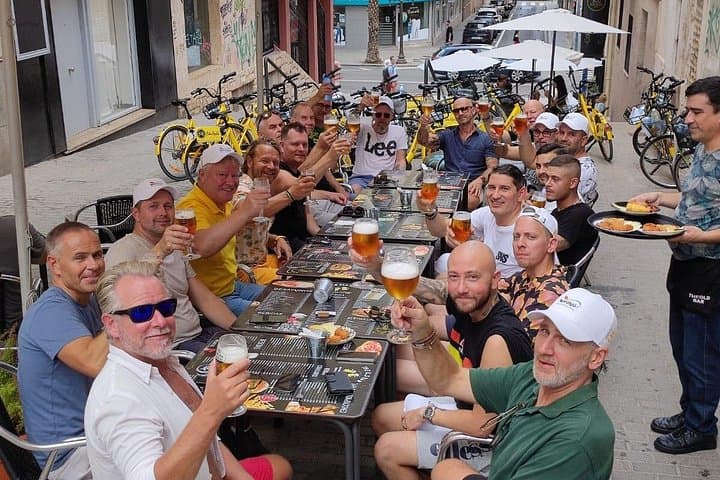
Expect cultural notes between stops — local food traditions, the role of the port in trade, and how the city rebuilt in the late 19th and 20th centuries. The tour minimizes steep climbs but delivers views of the castle and the waterfront; you’ll get two tapas and two drinks at neighborhood bars and free water from the guide.
Practical beat: wear closed-toe shoes, bring a light jacket for breezy coastal sections, and carry a small backpack for purchases. The route suits riders comfortable on everyday bikes rather than technical cyclists; families and older travelers commonly join. Arrive 15 minutes early for helmet fitting and a quick safety briefing. Timing mid-morning or early evening avoids the hottest hours and lets the bars feel authentically local.
easy.
2–3 hours.
Suitable for people with modest fitness who can ride a bike for a few kilometers with occasional stops.
Yes; the route is designed for all ages and uses mostly bike paths and flat sections, but check for infant seats if needed.
Two tapas and two drinks per person at two different local bars are included, plus free bottled water.
The tour minimizes hills and uses the smoothest climbs possible; basic cycling fitness is sufficient.
It begins and ends at the operator’s shop on Cienfuegos Street 1 in Alicante’s old town; arrive 15 minutes early.
Alicante’s port shaped its growth from Roman-era settlement through medieval fortifications like Santa Bárbara Castle, with much of the old town reflecting 18th–19th century expansion.
Support small bars and avoid single-use plastics; riding and walking keep impact low but respect pedestrian zones and refuse rules.
Alicante by Bike operates guided outdoor trips and adventures with an emphasis on safety, stewardship, and memorable experiences.

You start on a narrow old-town street, cobbles softening under rubber tires while the Mediterranean light sharpens the ochre façades. Pedaling at a relaxed pace, the city opens in vignettes: a Gothic church tower, century-old ficus trees, and a promenade that pushes the sea’s scent toward you like an invitation.
You start on a narrow old-town street, cobbles softening under rubber tires while the Mediterranean light sharpens the ochre façades. Pedaling at a relaxed pace, the city opens in vignettes: a Gothic church tower, century-old ficus trees, and a promenade that pushes the sea’s scent toward you like an invitation.
Alicante’s streets trace layers of history — Iberian and Roman roots, a Moorish plan, and later expansions around the port — while Santa Bárbara Castle watches from the benched rock above, a reminder of strategic geology and centuries of coastal defense. The ride threads bike paths, pedestrian plazas and low-rise neighborhoods where tapas culture is a daily ritual: small plates that evolved from simple, regional ingredients into a social way of eating.
Expect cultural notes between stops — local food traditions, the role of the port in trade, and how the city rebuilt in the late 19th and 20th centuries. The tour minimizes steep climbs but delivers views of the castle and the waterfront; you’ll get two tapas and two drinks at neighborhood bars and free water from the guide.
Practical beat: wear closed-toe shoes, bring a light jacket for breezy coastal sections, and carry a small backpack for purchases. The route suits riders comfortable on everyday bikes rather than technical cyclists; families and older travelers commonly join. Arrive 15 minutes early for helmet fitting and a quick safety briefing. Timing mid-morning or early evening avoids the hottest hours and lets the bars feel authentically local.