THE ADVENTURE COLLECTIVE® · Independent discovery and booking for outdoor travel

Escape Alicante for a private afternoon of boutique wine tastings and regional tapas at two family wineries. Learn sustainable winemaking, sample Moscatel and robust reds, and return with a richer sense of the land that made them.
Escape Alicante for a private afternoon of boutique wine tastings and regional tapas at two family wineries. Learn sustainable winemaking, sample Moscatel and robust reds, and return with a richer sense of the land that made them.
You leave Alicante behind as the city’s heat gives way to low, sun-baked hills. Vine rows march across limestone terraces, leaves brushing a breeze that seems to hand-select the ripest bunches for your glass. At two family-run vineyards you step from an air-conditioned car into cool cellars where wood and stone still shape the bottles.
Verified experiences and guided adventures in the surrounding area.
Operated by Sunday Stories · Alicante, Alicante
You leave Alicante behind as the city’s heat gives way to low, sun-baked hills. Vine rows march across limestone terraces, leaves brushing a breeze that seems to hand-select the ripest bunches for your glass. At two family-run vineyards you step from an air-conditioned car into cool cellars where wood and stone still shape the bottles.
The Alicante region has a long vinous history: Moscatel grapes have been cultivated here for centuries and the rare Fondillón—an oxidized old-vine wine—speaks to a local winemaking lineage tied to trade routes and Mediterranean climate. Geologically, the soils range from calcareous clay to fragmented limestone, giving whites a bright acidity and reds a sun-warmed density. Wineries here blend modern sustainable practices with generational know-how; expect owners who care about water use, native yeasts, and low-intervention aging.
The tasting sequence moves from lighter whites and rosés to structured reds, each paired with regional tapas—jamón, manchego, marinated olives—that show how salt and fat reveal tannins and acidity. Guides explain viticulture choices and invite questions; pace is unhurried and intimate.
Practical notes: plan for a 6-hour private tour with hotel pickup, bring valid ID for tastings, and time your visit outside midday heat. Wear closed shoes for rough cellar floors and keep a reusable water bottle handy—the region is dry. If you prefer quieter vintages, ask hosts about off-peak harvest tours in late summer or early fall.
easy.
6 hours.
Light walking over flat vineyard tracks and cellar steps; suitable for most fitness levels.
Yes—private, air-conditioned pickup and drop-off in central Alicante hotels is included; confirm exact pickup point when booking.
Yes—each winery tasting and the tapas pairings described are included in the tour price.
The advertised price applies to groups of at least four people; smaller groups may incur a surcharge.
Hosts can adjust tapas for common dietary needs if notified ahead of time—use the booking’s special requirements field.
Alicante’s wine culture dates back to Roman and Moorish periods; the region later produced prized fortified wines traded across the Mediterranean.
Water scarcity shapes vineyard practices—many small producers use drip irrigation and organic cover crops to improve soil health and reduce runoff.
Sunday Stories operates guided outdoor trips and adventures with an emphasis on safety, stewardship, and memorable experiences.
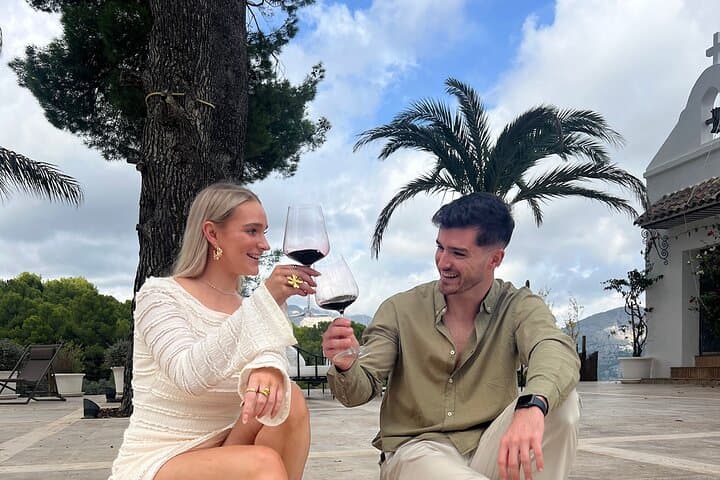
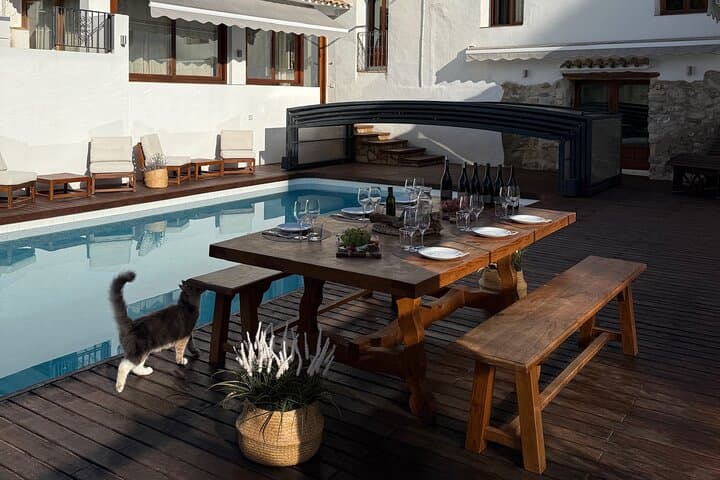
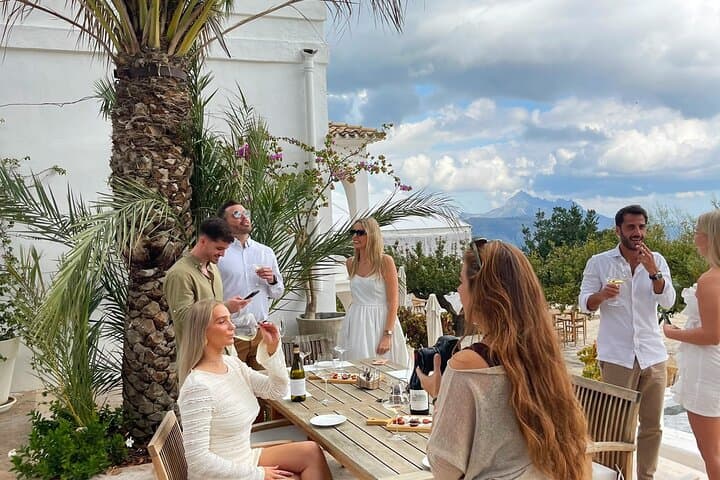
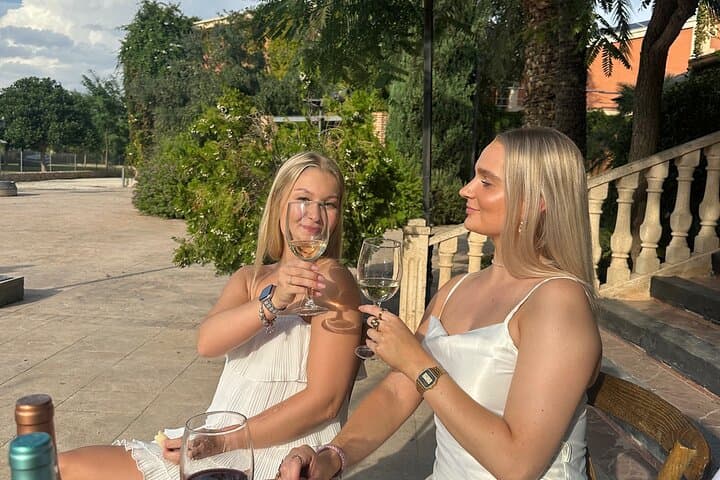
You leave Alicante behind as the city’s heat gives way to low, sun-baked hills. Vine rows march across limestone terraces, leaves brushing a breeze that seems to hand-select the ripest bunches for your glass. At two family-run vineyards you step from an air-conditioned car into cool cellars where wood and stone still shape the bottles.
You leave Alicante behind as the city’s heat gives way to low, sun-baked hills. Vine rows march across limestone terraces, leaves brushing a breeze that seems to hand-select the ripest bunches for your glass. At two family-run vineyards you step from an air-conditioned car into cool cellars where wood and stone still shape the bottles.
The Alicante region has a long vinous history: Moscatel grapes have been cultivated here for centuries and the rare Fondillón—an oxidized old-vine wine—speaks to a local winemaking lineage tied to trade routes and Mediterranean climate. Geologically, the soils range from calcareous clay to fragmented limestone, giving whites a bright acidity and reds a sun-warmed density. Wineries here blend modern sustainable practices with generational know-how; expect owners who care about water use, native yeasts, and low-intervention aging.
The tasting sequence moves from lighter whites and rosés to structured reds, each paired with regional tapas—jamón, manchego, marinated olives—that show how salt and fat reveal tannins and acidity. Guides explain viticulture choices and invite questions; pace is unhurried and intimate.
Practical notes: plan for a 6-hour private tour with hotel pickup, bring valid ID for tastings, and time your visit outside midday heat. Wear closed shoes for rough cellar floors and keep a reusable water bottle handy—the region is dry. If you prefer quieter vintages, ask hosts about off-peak harvest tours in late summer or early fall.