THE ADVENTURE COLLECTIVE® · Independent discovery and booking for outdoor travel

Combine skip-the-line Alhambra access with a guided walk through the Albaicín’s steep lanes. This private two-hour experience pairs architectural history with skyline views and practical tips for navigating Granada’s oldest neighborhoods.
Combine skip-the-line Alhambra access with a guided walk through the Albaicín’s steep lanes. This private two-hour experience pairs architectural history with skyline views and practical tips for navigating Granada’s oldest neighborhoods.
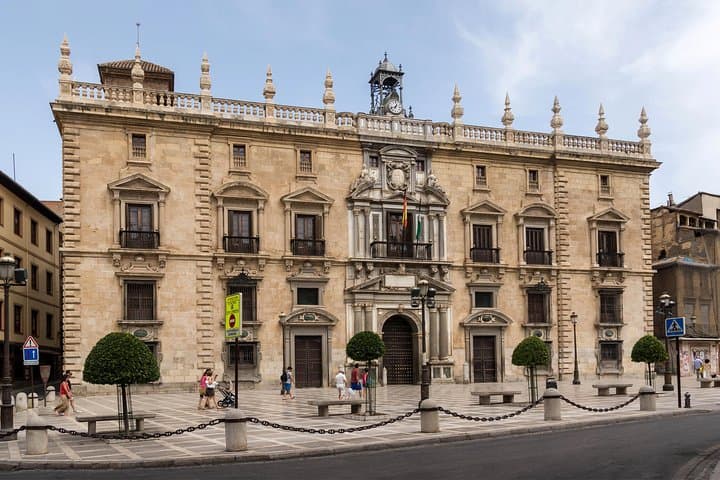
You arrive in Plaza Nueva, the city's pulse, and the guide leads you up through narrow, cobbled alleys where lemon trees and tea shops punctuate the climb.
Verified experiences and guided adventures in the surrounding area.
Operated by Pancho Tours · Granada, Andalusia
You arrive in Plaza Nueva, the city's pulse, and the guide leads you up through narrow, cobbled alleys where lemon trees and tea shops punctuate the climb.
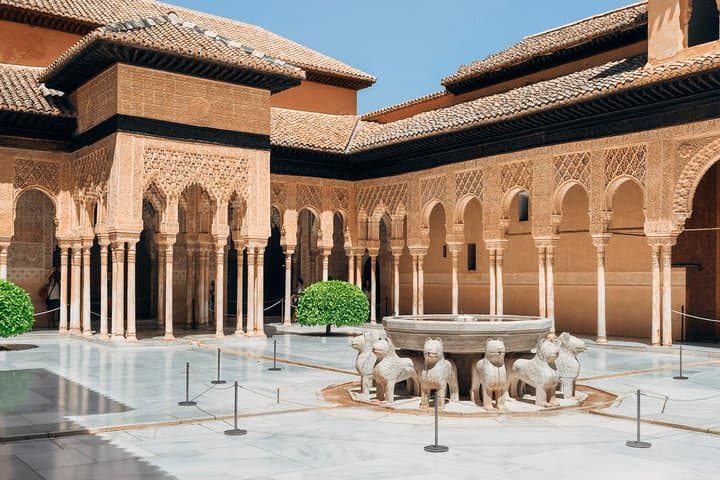
The route climbs toward the Albaicín viewpoint and then sweeps to the Alhambra’s fortified terraces, where the Nasrid Palaces sit like a complex of carved stone memory. The tour stitches two halves of Granada—the hilltop Moorish citadel and the white-washed Albaicín quarter—into a two-hour narrative of conquest, craft and water engineering.
History is direct: the Alhambra is a 13th–15th century Nasrid creation layered atop Roman and earlier Islamic foundations; the Albaicín preserves winding streets from the medieval Islamic city and Zirí walls dating back to the 11th century. Geology matters here too—limestone ridges and terraces shaped how water was routed to gardens and baths, visible in channels and cisterns.
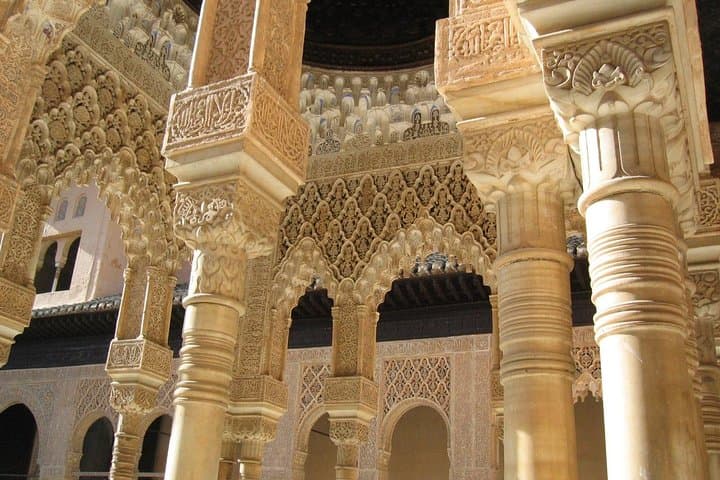
Expect narrow streets, stair climbs and several viewpoints: Mirador de San Nicolás and the lesser-seen Aljibe del Rey offer different angles on the Alhambra and Sierra Nevada beyond. Guides will translate architectural vocabulary—muqarnas, patios, acequias—into clear, portable context.
Practical notes: bring comfortable shoes and a hat, and arrive with full passport data (the Alhambra requires it for admission). The tour moves briskly; plan for afternoon heat in summer and earlier light in winter. Photography is allowed in most exterior spaces but restricted inside Nasrid rooms. Small-group size keeps the experience focused—expect intimate storytelling and quick lines if the ticket window timing is right.
moderate.
2 hours.
Moderate fitness—able to handle short steep stair sections and uneven cobbles for up to two hours.
Yes. The Alhambra requires full names, passport numbers, nationality and dates of birth for all visitors; failure to submit details can lead to denied entry.
Some parts of the route and transport options are wheelchair accessible, but steep streets in the Albaicín and interior palace access have limitations—contact the operator to confirm accessibility for your specific needs.
The ticket covers the Nasrid Palaces, Alcazaba and Generalife gardens; timing for palace entry is fixed, so the itinerary coordinates external viewpoints and the Albaicín walk around that slot.
This offering is small-group/private with a maximum of eight people, and a minimum booking of two is required.
The Alhambra was largely built by the Nasrid sultans between the 13th and 15th centuries; the Albaicín preserves Granada’s medieval Islamic street pattern and Zirí-era walls from the 11th century.
Visitor numbers and strict entry requirements protect fragile interiors; stick to marked paths, avoid litter and respect signage prohibiting flash in Nasrid rooms.
Pancho Tours operates guided outdoor trips and adventures with an emphasis on safety, stewardship, and memorable experiences.
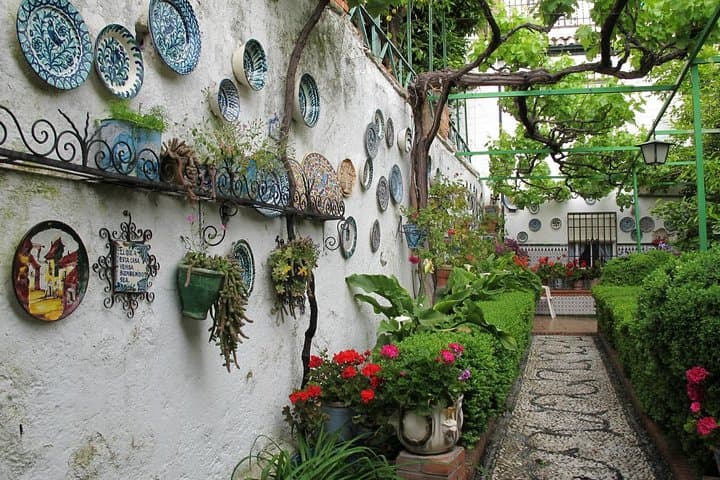
You arrive in Plaza Nueva, the city's pulse, and the guide leads you up through narrow, cobbled alleys where lemon trees and tea shops punctuate the climb.
You arrive in Plaza Nueva, the city's pulse, and the guide leads you up through narrow, cobbled alleys where lemon trees and tea shops punctuate the climb.
The route climbs toward the Albaicín viewpoint and then sweeps to the Alhambra’s fortified terraces, where the Nasrid Palaces sit like a complex of carved stone memory. The tour stitches two halves of Granada—the hilltop Moorish citadel and the white-washed Albaicín quarter—into a two-hour narrative of conquest, craft and water engineering.
History is direct: the Alhambra is a 13th–15th century Nasrid creation layered atop Roman and earlier Islamic foundations; the Albaicín preserves winding streets from the medieval Islamic city and Zirí walls dating back to the 11th century. Geology matters here too—limestone ridges and terraces shaped how water was routed to gardens and baths, visible in channels and cisterns.
Expect narrow streets, stair climbs and several viewpoints: Mirador de San Nicolás and the lesser-seen Aljibe del Rey offer different angles on the Alhambra and Sierra Nevada beyond. Guides will translate architectural vocabulary—muqarnas, patios, acequias—into clear, portable context.
Practical notes: bring comfortable shoes and a hat, and arrive with full passport data (the Alhambra requires it for admission). The tour moves briskly; plan for afternoon heat in summer and earlier light in winter. Photography is allowed in most exterior spaces but restricted inside Nasrid rooms. Small-group size keeps the experience focused—expect intimate storytelling and quick lines if the ticket window timing is right.