THE ADVENTURE COLLECTIVE® · Independent discovery and booking for outdoor travel

Short on time but eager to experience Algonquin’s lakes, lookouts and night sky? This 2-day guided group camping trip from Toronto provides transport, meals, tents and introductory hikes—ideal for first-time campers.
Short on time but eager to experience Algonquin’s lakes, lookouts and night sky? This 2-day guided group camping trip from Toronto provides transport, meals, tents and introductory hikes—ideal for first-time campers.
A wind off the lake lifts the smell of pine and wet stone as the minibus drops a small group at a lakeshore clearing. Tents go up to the rhythm of laughter and practiced knots; water laps at the shoreline, daring you to step closer. This is Algonquin on a short timeline—two days that compress wide water, exposed ridges and quiet night sky into an accessible introduction to Canadian backcountry camping.
Verified experiences and guided adventures in the surrounding area.
Operated by Lake Fever Wilderness Co. · Huntsville, Ontario
A wind off the lake lifts the smell of pine and wet stone as the minibus drops a small group at a lakeshore clearing. Tents go up to the rhythm of laughter and practiced knots; water laps at the shoreline, daring you to step closer. This is Algonquin on a short timeline—two days that compress wide water, exposed ridges and quiet night sky into an accessible introduction to Canadian backcountry camping.
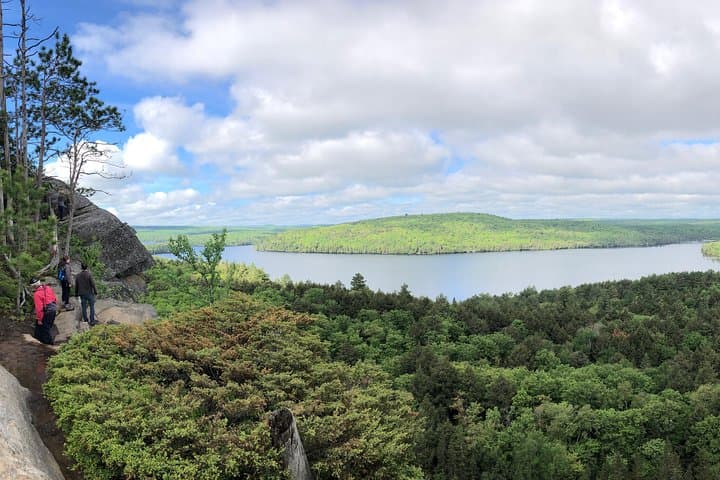
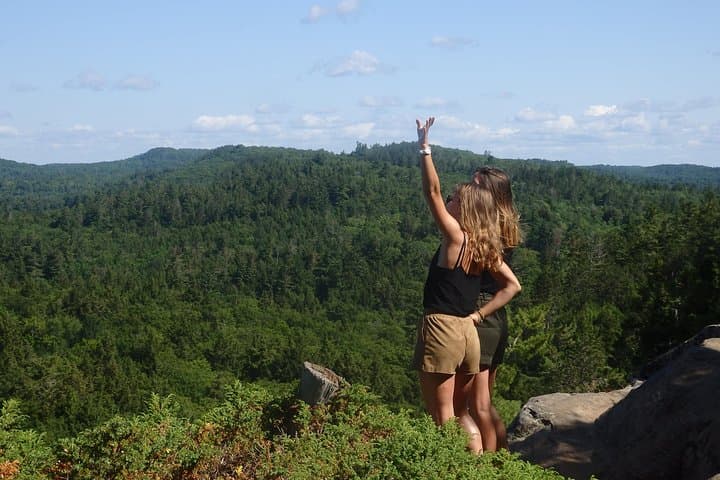
Algonquin Provincial Park, founded in 1893, carries layers of history from Indigenous use and early logging to its role as Ontario’s first provincial park. Geologically the park sits on Precambrian Shield—granite ridges and thin soils producing exposed rock, boggy boardwalks and many clean, cold lakes. Culture here mixes cottage-country ease around Huntsville with a conservation ethic: park gates, fees and marked trails protect fragile bogs and moose habitat.
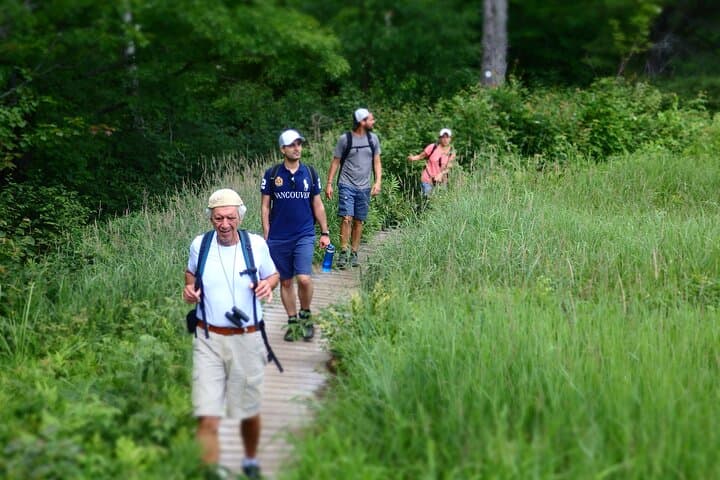
On this trip expect short guided hikes to the Logging Museum and Spruce Bog boardwalk, an optional paddle on Lake Opeongo and evenings spent around a communal fire under a broad sky. Guides cover basic camping skills—tent setup, water safety and simple Leave No Trace practices—so no prior experience or gear is required.
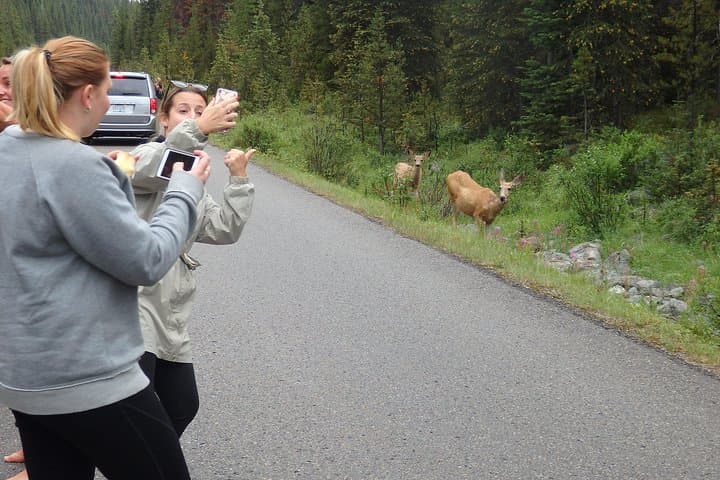
Practical notes: wear sturdy hiking shoes for wet roots and granite slabs, bring layered clothing for cool nights, and pack a reusable water bottle and headlamp. Timing your trip for late spring to early fall gives the best combination of trail conditions and wildlife sightings. With beds rolled into tents and meals included, this package removes much of the planning while keeping the raw edges of Algonquin intact.
moderate.
2 days (approx. 48 hours).
Moderate fitness — able to walk 3–6 km over uneven terrain and handle short paddling sessions.
No—tents, sleeping bags and pads are provided and guides teach basic camping skills appropriate for first-timers.
No—paddling on Lake Opeongo is optional and guided; life jackets are provided and staff level the activity to participant comfort.
Yes—vegetarian camp-cooked meals (breakfast, lunch, dinner) are included; dietary restrictions should be communicated at booking.
Campsites are traditional backcountry or front-country sites with pit or composting toilets; not like car-camping facilities but accessible for beginners with guide support.
Algonquin was established in 1893 and has a long history of logging and Indigenous travel routes; the Logging Museum trails interpret that industrial past.
Visitors must follow park rules on fire, food storage and campsite use; practicing Leave No Trace helps protect sensitive bogs and wildlife habitat.
Lake Fever Wilderness Co. operates guided outdoor trips and adventures with an emphasis on safety, stewardship, and memorable experiences.
A wind off the lake lifts the smell of pine and wet stone as the minibus drops a small group at a lakeshore clearing. Tents go up to the rhythm of laughter and practiced knots; water laps at the shoreline, daring you to step closer. This is Algonquin on a short timeline—two days that compress wide water, exposed ridges and quiet night sky into an accessible introduction to Canadian backcountry camping.
A wind off the lake lifts the smell of pine and wet stone as the minibus drops a small group at a lakeshore clearing. Tents go up to the rhythm of laughter and practiced knots; water laps at the shoreline, daring you to step closer. This is Algonquin on a short timeline—two days that compress wide water, exposed ridges and quiet night sky into an accessible introduction to Canadian backcountry camping.
Algonquin Provincial Park, founded in 1893, carries layers of history from Indigenous use and early logging to its role as Ontario’s first provincial park. Geologically the park sits on Precambrian Shield—granite ridges and thin soils producing exposed rock, boggy boardwalks and many clean, cold lakes. Culture here mixes cottage-country ease around Huntsville with a conservation ethic: park gates, fees and marked trails protect fragile bogs and moose habitat.
On this trip expect short guided hikes to the Logging Museum and Spruce Bog boardwalk, an optional paddle on Lake Opeongo and evenings spent around a communal fire under a broad sky. Guides cover basic camping skills—tent setup, water safety and simple Leave No Trace practices—so no prior experience or gear is required.
Practical notes: wear sturdy hiking shoes for wet roots and granite slabs, bring layered clothing for cool nights, and pack a reusable water bottle and headlamp. Timing your trip for late spring to early fall gives the best combination of trail conditions and wildlife sightings. With beds rolled into tents and meals included, this package removes much of the planning while keeping the raw edges of Algonquin intact.