THE ADVENTURE COLLECTIVE® · Independent discovery and booking for outdoor travel

A compact RIB tour from Porto Conte that pairs short coastal hops with guided snorkeling at coves and caves beneath Capo Caccia. Expect clear water, small-group attention from a licensed guide, and several swim stops around Foradada and the Palombi cave.
A compact RIB tour from Porto Conte that pairs short coastal hops with guided snorkeling at coves and caves beneath Capo Caccia. Expect clear water, small-group attention from a licensed guide, and several swim stops around Foradada and the Palombi cave.
Salt spray and limestone cliffs appear within minutes of leaving the small Porto Conte harbor—an agile RIB slips along the northwest Sardinian coast toward the shadow of Capo Caccia. The boat hums, the guide briefs the group, and blue water opens into a mosaic of caves, submerged seagrass and shallow reefs that dare you to jump in.
Verified experiences and guided adventures in the surrounding area.
Operated by Escursì - experience sardinia · Alghero, Sardinia
Salt spray and limestone cliffs appear within minutes of leaving the small Porto Conte harbor—an agile RIB slips along the northwest Sardinian coast toward the shadow of Capo Caccia. The boat hums, the guide briefs the group, and blue water opens into a mosaic of caves, submerged seagrass and shallow reefs that dare you to jump in.
This stretch of coastline is carved from Miocene limestone; centuries of karst action created caves like the Palombi and the vertical escarpments of Capo Caccia, visible from the water. Alghero's Catalan-influenced port town sits nearby, a cultural touchpoint born of seafaring, lobster fisheries and maritime trade. The Porto Conte Marine Protected Area protects habitats and species, so the tour emphasizes low-impact snorkeling and observational wildlife viewing.
Practically, expect a 3-hour outing on a 6.5 m RIB with a licensed aquatic and environmental guide. Typical itinerary: a swim stop at the natural pools of Cala Dragunara, a long navigation past Capo Caccia, a stop at Cala Inferno and a circumnavigation of Foradada with a view into the Palombi cave. Visibility in summer commonly ranges high; spring and fall offer cooler water and fewer people.
Bring a secure mask fit and listen to guide instructions — currents and swell can change quickly along the headland. Wear water shoes for rocky beaches, use reef-safe sunscreen, stay hydrated, and pack a light wetsuit if visiting outside high summer. The experience balances easy access with open-water conditions: approachable for beginners but rewarding for anyone who wants close-up marine life in a protected Sardinian seascape.
moderate.
3 hours.
Light aerobic ability; participants should be comfortable entering and exiting a small RIB and snorkeling in open water.
Yes — the tour provides snorkeling equipment, but many travelers bring a personal mask for best fit.
Children can join but infants must sit on laps and local rules restrict very young children; check operator age limits before booking.
Tours can be canceled for rough sea or adverse conditions; the operator typically offers a full refund if canceled at least 24 hours in advance.
You should be comfortable in open water; guides provide flotation and support, but non-swimmers should disclose this to the guide before departing.
Alghero’s port reflects centuries of Catalan influence and maritime trade; the cliffs and caves have long guided local fishermen and sailors.
Porto Conte is a designated marine protected area with rules against anchoring on seagrass beds and recommendations to avoid touching marine life to preserve habitat.
Escursì - experience sardinia operates guided outdoor trips and adventures with an emphasis on safety, stewardship, and memorable experiences.
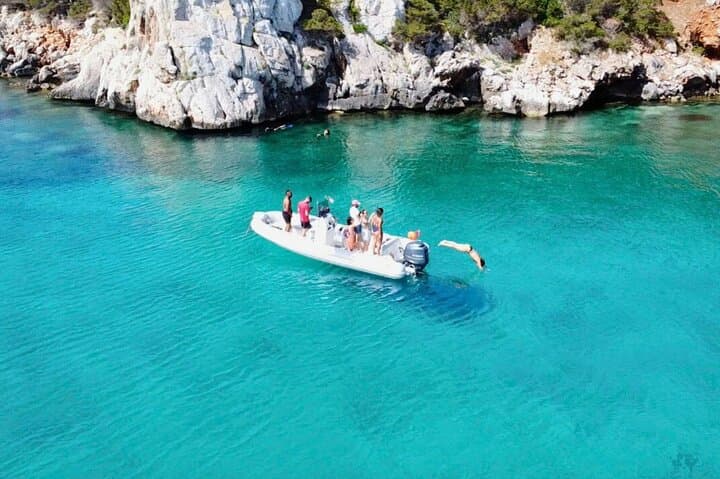


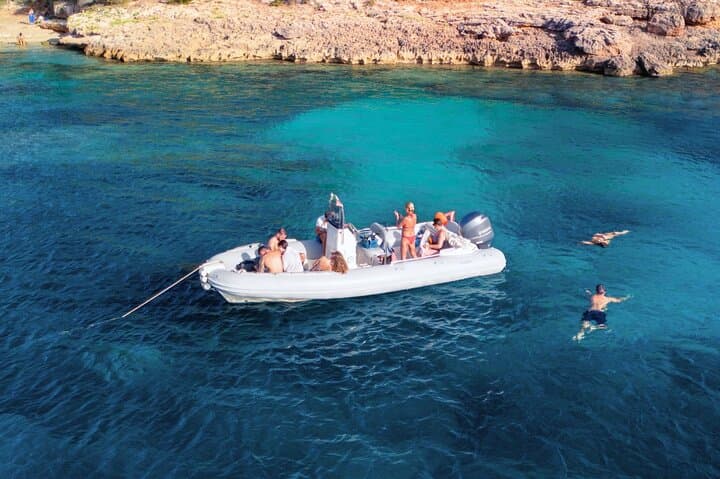
Salt spray and limestone cliffs appear within minutes of leaving the small Porto Conte harbor—an agile RIB slips along the northwest Sardinian coast toward the shadow of Capo Caccia. The boat hums, the guide briefs the group, and blue water opens into a mosaic of caves, submerged seagrass and shallow reefs that dare you to jump in.
Salt spray and limestone cliffs appear within minutes of leaving the small Porto Conte harbor—an agile RIB slips along the northwest Sardinian coast toward the shadow of Capo Caccia. The boat hums, the guide briefs the group, and blue water opens into a mosaic of caves, submerged seagrass and shallow reefs that dare you to jump in.
This stretch of coastline is carved from Miocene limestone; centuries of karst action created caves like the Palombi and the vertical escarpments of Capo Caccia, visible from the water. Alghero's Catalan-influenced port town sits nearby, a cultural touchpoint born of seafaring, lobster fisheries and maritime trade. The Porto Conte Marine Protected Area protects habitats and species, so the tour emphasizes low-impact snorkeling and observational wildlife viewing.
Practically, expect a 3-hour outing on a 6.5 m RIB with a licensed aquatic and environmental guide. Typical itinerary: a swim stop at the natural pools of Cala Dragunara, a long navigation past Capo Caccia, a stop at Cala Inferno and a circumnavigation of Foradada with a view into the Palombi cave. Visibility in summer commonly ranges high; spring and fall offer cooler water and fewer people.
Bring a secure mask fit and listen to guide instructions — currents and swell can change quickly along the headland. Wear water shoes for rocky beaches, use reef-safe sunscreen, stay hydrated, and pack a light wetsuit if visiting outside high summer. The experience balances easy access with open-water conditions: approachable for beginners but rewarding for anyone who wants close-up marine life in a protected Sardinian seascape.