THE ADVENTURE COLLECTIVE® · Independent discovery and booking for outdoor travel

Explore a Bronze Age nuragic village, a sheltered crescent beach and the cliff-top views of Capo Caccia on a compact 3-hour minivan tour from Alghero. Learn history and geology while keeping the outing accessible for most travelers.
Explore a Bronze Age nuragic village, a sheltered crescent beach and the cliff-top views of Capo Caccia on a compact 3-hour minivan tour from Alghero. Learn history and geology while keeping the outing accessible for most travelers.
A cool coastal wind pushes the minivan along Alghero’s north shore as limestone cliffs come into view and the scrub of Porto Conte Park leans toward the sea. You step out at Palmavera into a compact Bronze Age village: round stone towers, low huts and a stair-cut tholos that still holds the shape of ancient craft and communal life.
Verified experiences and guided adventures in the surrounding area.
Operated by Escursì - experience sardinia · Alghero, Sardinia
A cool coastal wind pushes the minivan along Alghero’s north shore as limestone cliffs come into view and the scrub of Porto Conte Park leans toward the sea. You step out at Palmavera into a compact Bronze Age village: round stone towers, low huts and a stair-cut tholos that still holds the shape of ancient craft and communal life.
The route threads archaeology and coastal geology. Nuraghe Palmavera was raised in the 15th–14th centuries BC and reworked in the 9th–8th centuries BC; stonework of local limestone and sandstone gives way to marine terraces and sea-carved cliffs at Capo Caccia. Along the way you’ll spot evidence of Punic and Roman reuse and the sparse Mediterranean maquis that has shaped local shepherding and fishing culture for millennia.
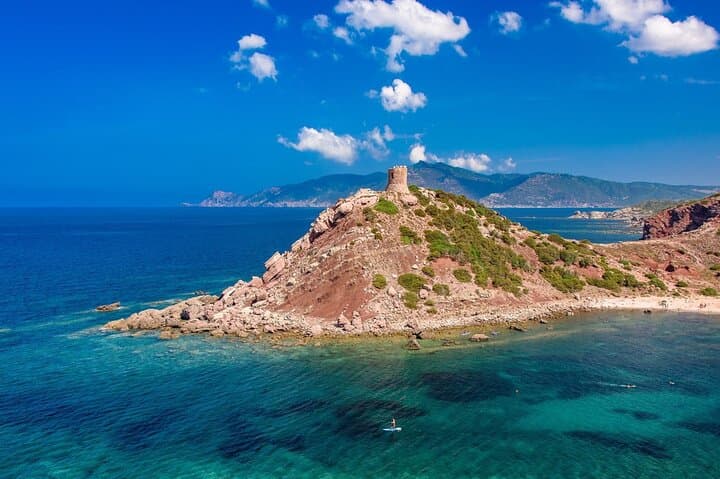
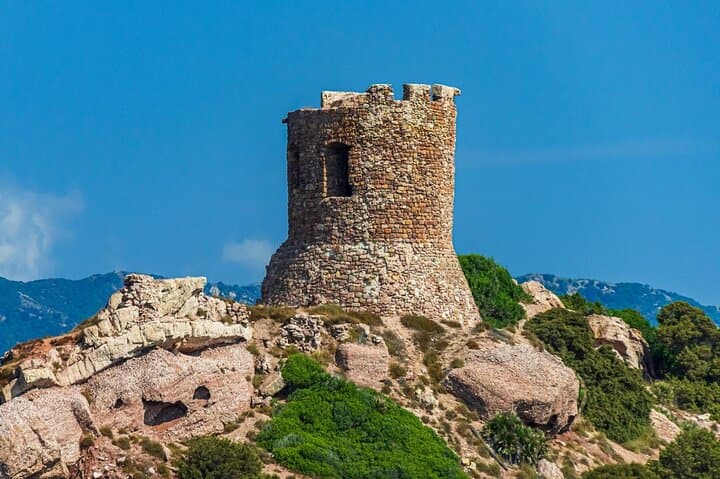
Expect short, interpretive walks rather than long hikes—each stop typically allows 45–60 minutes to explore. Porticciolo Beach offers a crescent of dark amber sand and shallow turquoise water; Belvedere di Foradada puts the northwestern coastline in full view, dramatic at late afternoon. Guides orient you to geology, the site’s furnishings (replicas and museum finds), and the conservation rules that protect both ruins and Posidonia beds offshore.
Practicalities: wear sturdy walking shoes, sun protection and bring water; some surfaces are uneven but the tour is accessible. The loop is about three hours total with short on-foot sections, suitable for most fitness levels. Morning departures avoid midday heat and give cleaner light for photos of the cliffs and Foradada islet.
easy.
3 hours.
Suitable for most people with basic mobility; involves short, easy walks at each stop
The minibus and transfer points are wheelchair accessible, but some archaeological surfaces are uneven; contact the operator to confirm accessibility at specific stops.
Yes—the entrance ticket to the Palmavera nuragic complex is included in the tour price.
Children under 14 are not permitted on this excursion per operator rules.
Late afternoon toward sunset at the Belvedere di Foradada gives warm light on the cliffs; mornings offer clearer air for sea colors at Porticciolo.
Nuraghe Palmavera is a multi-phase settlement from the Bronze Age later altered in the 9th–8th centuries BC and reused during Punic and Roman times, illustrating long-term coastal occupation.
Porto Conte is a regional park with protected Posidonia meadows offshore and strict rules to limit erosion and damage to archaeological sites—stay on marked paths and avoid trampling vegetation.
Escursì - experience sardinia operates guided outdoor trips and adventures with an emphasis on safety, stewardship, and memorable experiences.
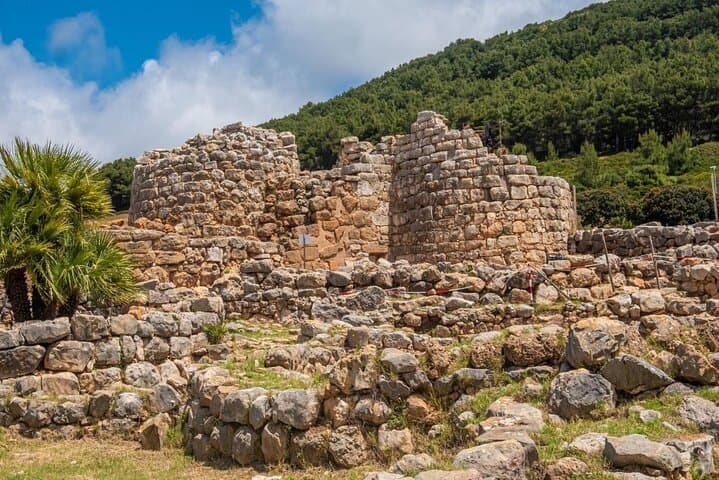
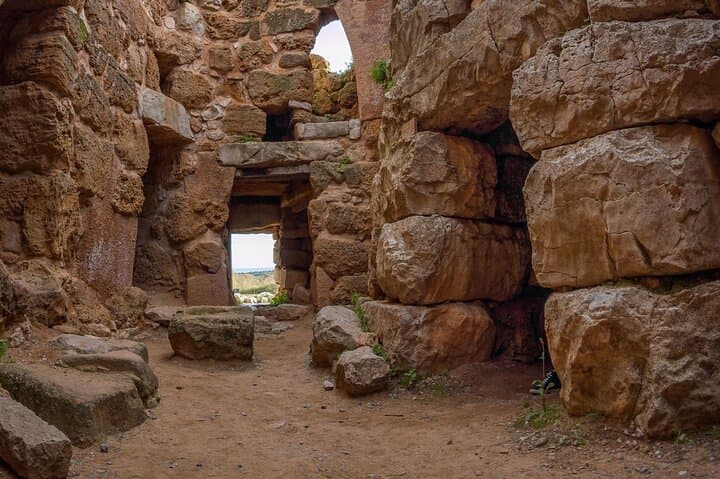
A cool coastal wind pushes the minivan along Alghero’s north shore as limestone cliffs come into view and the scrub of Porto Conte Park leans toward the sea. You step out at Palmavera into a compact Bronze Age village: round stone towers, low huts and a stair-cut tholos that still holds the shape of ancient craft and communal life.
A cool coastal wind pushes the minivan along Alghero’s north shore as limestone cliffs come into view and the scrub of Porto Conte Park leans toward the sea. You step out at Palmavera into a compact Bronze Age village: round stone towers, low huts and a stair-cut tholos that still holds the shape of ancient craft and communal life.
The route threads archaeology and coastal geology. Nuraghe Palmavera was raised in the 15th–14th centuries BC and reworked in the 9th–8th centuries BC; stonework of local limestone and sandstone gives way to marine terraces and sea-carved cliffs at Capo Caccia. Along the way you’ll spot evidence of Punic and Roman reuse and the sparse Mediterranean maquis that has shaped local shepherding and fishing culture for millennia.
Expect short, interpretive walks rather than long hikes—each stop typically allows 45–60 minutes to explore. Porticciolo Beach offers a crescent of dark amber sand and shallow turquoise water; Belvedere di Foradada puts the northwestern coastline in full view, dramatic at late afternoon. Guides orient you to geology, the site’s furnishings (replicas and museum finds), and the conservation rules that protect both ruins and Posidonia beds offshore.
Practicalities: wear sturdy walking shoes, sun protection and bring water; some surfaces are uneven but the tour is accessible. The loop is about three hours total with short on-foot sections, suitable for most fitness levels. Morning departures avoid midday heat and give cleaner light for photos of the cliffs and Foradada islet.