THE ADVENTURE COLLECTIVE® · Independent discovery and booking for outdoor travel

Join MareTerra researchers off Alghero for a three-hour, research-led dolphin watch inside the Capo Caccia - Isola Piana MPA. Expect guided photo-ID, bioacoustic recordings and a low-impact approach to viewing bottlenose dolphins.
Join MareTerra researchers off Alghero for a three-hour, research-led dolphin watch inside the Capo Caccia - Isola Piana MPA. Expect guided photo-ID, bioacoustic recordings and a low-impact approach to viewing bottlenose dolphins.
You push off the Alghero quay and the limestone cliffs of Capo Caccia unfold like a raw coastline carved by wind and sea. The engine hum is low—this operator uses quiet, modern motors—so the first sound you hear is the water and, moments later, the high-pitched calls of bottlenose dolphins cutting through the wake. Researchers from MareTerra are on board; they scan dorsal fins, play recorded calls and point out individuals with names and histories.
Verified experiences and guided adventures in the surrounding area.
Operated by Progetto Natura · Alghero, Sardinia
You push off the Alghero quay and the limestone cliffs of Capo Caccia unfold like a raw coastline carved by wind and sea. The engine hum is low—this operator uses quiet, modern motors—so the first sound you hear is the water and, moments later, the high-pitched calls of bottlenose dolphins cutting through the wake. Researchers from MareTerra are on board; they scan dorsal fins, play recorded calls and point out individuals with names and histories.
The shore here is a product of Miocene limestone uplift: sheer cliffs, sea caves (Neptune’s Grotto nearby) and small islands that create sheltered channels where dolphins hunt. Alghero’s culture shows Catalan ties in its language and food, and the sea has shaped local life for centuries—fishing, boatbuilding and now conservation-focused tourism.
Expect a three-hour outing within the Capo Caccia - Isola Piana Marine Protected Area. The crew follows High Quality Whale Watching protocols: approaches are measured, data collection is done with minimal intrusion, and photo-ID is used to monitor individuals. Snorkelling is offered under guidance when sea conditions allow; you’ll see coastal fish and possibly loggerhead turtles.
Practical notes: bring layered, windproof clothing and a waterproof bag—there’s no toilet on board. Sea state matters; tours can be canceled for safety or to avoid disturbing animals. If you want an experience that combines hands-on science with straightforward wildlife watching, this tour delivers fieldwork-level interpretation alongside reliable sighting odds.
easy.
3 hours.
Light fitness required—able to board a small vessel and stand for periods; basic mobility for optional snorkel entry.
MareTerra reports roughly an 80% sighting rate during spring and autumn outings within the MPA, though sightings depend on sea conditions and animal movement.
Guided snorkelling is offered when conditions permit; operators may provide basic masks/snorkels but bringing your own ensures better fit and hygiene.
Yes—this tour accepts children from about 5 years old, but parents should consider sea conditions and supervision during snorkel sessions.
No, the vessels used for this excursion do not have onboard toilets; plan accordingly before departure.
Alghero’s port reflects centuries of Mediterranean maritime trade and Catalan influence; local fishing traditions evolved into modern marine conservation efforts.
The tour operates inside the Capo Caccia - Isola Piana MPA under High Quality Whale Watching guidelines and supports MareTerra NGO research to minimize disturbance and monitor populations.
Progetto Natura operates guided outdoor trips and adventures with an emphasis on safety, stewardship, and memorable experiences.

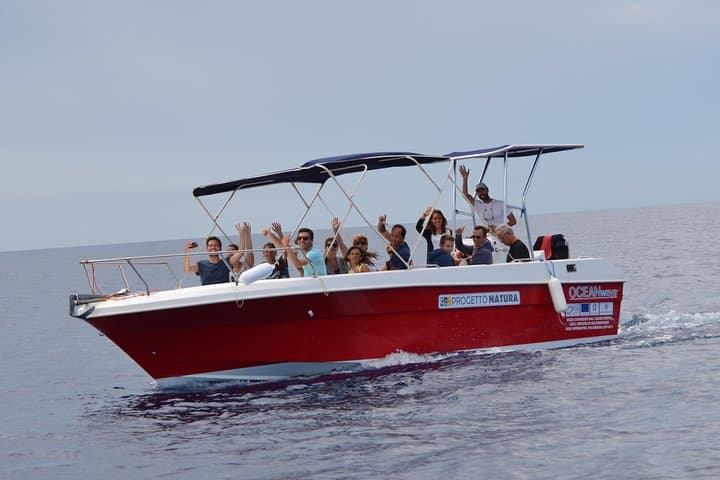
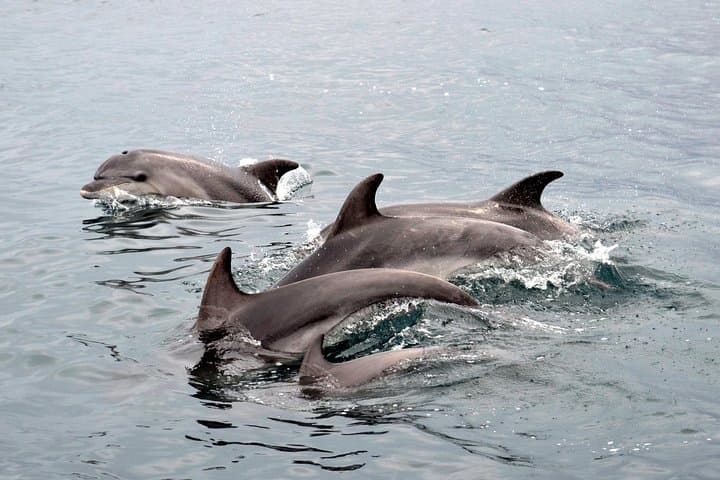

You push off the Alghero quay and the limestone cliffs of Capo Caccia unfold like a raw coastline carved by wind and sea. The engine hum is low—this operator uses quiet, modern motors—so the first sound you hear is the water and, moments later, the high-pitched calls of bottlenose dolphins cutting through the wake. Researchers from MareTerra are on board; they scan dorsal fins, play recorded calls and point out individuals with names and histories.
You push off the Alghero quay and the limestone cliffs of Capo Caccia unfold like a raw coastline carved by wind and sea. The engine hum is low—this operator uses quiet, modern motors—so the first sound you hear is the water and, moments later, the high-pitched calls of bottlenose dolphins cutting through the wake. Researchers from MareTerra are on board; they scan dorsal fins, play recorded calls and point out individuals with names and histories.
The shore here is a product of Miocene limestone uplift: sheer cliffs, sea caves (Neptune’s Grotto nearby) and small islands that create sheltered channels where dolphins hunt. Alghero’s culture shows Catalan ties in its language and food, and the sea has shaped local life for centuries—fishing, boatbuilding and now conservation-focused tourism.
Expect a three-hour outing within the Capo Caccia - Isola Piana Marine Protected Area. The crew follows High Quality Whale Watching protocols: approaches are measured, data collection is done with minimal intrusion, and photo-ID is used to monitor individuals. Snorkelling is offered under guidance when sea conditions allow; you’ll see coastal fish and possibly loggerhead turtles.
Practical notes: bring layered, windproof clothing and a waterproof bag—there’s no toilet on board. Sea state matters; tours can be canceled for safety or to avoid disturbing animals. If you want an experience that combines hands-on science with straightforward wildlife watching, this tour delivers fieldwork-level interpretation alongside reliable sighting odds.