THE ADVENTURE COLLECTIVE® · Independent discovery and booking for outdoor travel

Board a research vessel in Alghero for a 4‑hour, scientist-led dolphin watching and guided snorkeling trip through the Marine Protected Area of Capo Caccia - Isola Piana. Expect high dolphin-sighting chances, hands-on conservation insights, and in-water guidance for snorkelers of varying experience.
Board a research vessel in Alghero for a 4‑hour, scientist-led dolphin watching and guided snorkeling trip through the Marine Protected Area of Capo Caccia - Isola Piana. Expect high dolphin-sighting chances, hands-on conservation insights, and in-water guidance for snorkelers of varying experience.
You step off the quay in Alghero and the harbor breathes salt and limestone; the boat hums as scientists prepare hydrophones and photo-ID cards. Within minutes the coastline of Capo Caccia - Isola Piana unspools: vertical cliffs give way to clear shelf waters where bottlenose dolphins often cut arcs through the swell.
Verified experiences and guided adventures in the surrounding area.
Operated by Progetto Natura · Alghero, Sardinia
You step off the quay in Alghero and the harbor breathes salt and limestone; the boat hums as scientists prepare hydrophones and photo-ID cards. Within minutes the coastline of Capo Caccia - Isola Piana unspools: vertical cliffs give way to clear shelf waters where bottlenose dolphins often cut arcs through the swell.
The Gulf of Alghero sits on Carboniferous to Miocene limestone; caves and cliffs shaped by marine uplift and erosion host a human history of fishing, coral gleaning and maritime trade stretching back to Roman and Catalan settlers whose influence remains in local language and cuisine.
Onboard, MareTerra researchers explain regional cetacean studies, photo‑identification and the Marine Protected Area regulations that govern this stretch of Sardinia. The guided snorkel focuses on reef communities—posidonia meadows, wrasse, and occasional loggerhead turtles—while strict approach rules reduce disturbance to wildlife.
Practically: expect a 4‑hour trip departing from central Alghero with certified guides and provided masks and fins. No onboard toilet; bring water and secure a dry bag for electronics. Snorkelers should be comfortable in open water; guides give in‑water assistance and basic briefing before entry. Seasickness can hit on choppier days—take precautions if you’re prone.
Timing matters: mornings often offer calmer seas and better light for both spotting dolphins and photographing underwater life. Support conservation by following guide instructions, using reef‑safe sunscreen, and considering a donation to MareTerra’s projects. This is an experiential, research‑informed outing that blends citizen science with accessible snorkeling—ideal for travelers who want close, responsible encounters with the sea.
easy.
4 hours.
Suitable for most fitness levels; snorkel segments require basic swimming ability and comfort in open water.
Operators report roughly an 80% sighting probability in suitable sea conditions, but sightings cannot be guaranteed and depend on weather and animal movement.
No—guides provide briefing and in‑water assistance; swimmers who are comfortable in open water will get the most from the snorkeling section.
Yes; the tour is suitable for kids from about 5 years old, though guardians should assess each child’s swimming ability and comfort in boats and open water.
Trips require suitable sea conditions; cancellations offer a full refund or an option to rebook, and guides may continue outside-water activities if snorkeling is unsafe.
The Capo Caccia coastline has long been a maritime corridor shaped by Mediterranean fishermen and conservation efforts; the Marine Protected Area limits extractive activity to protect heirloom seascapes.
The tour operates under High Quality Whale Watching practices and supports MareTerra NGO research; visitors are encouraged to follow approach codes and use reef‑safe products.
Progetto Natura operates guided outdoor trips and adventures with an emphasis on safety, stewardship, and memorable experiences.
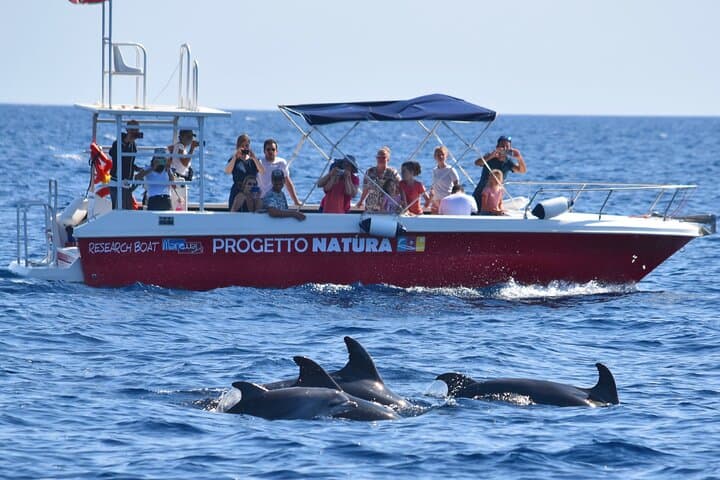
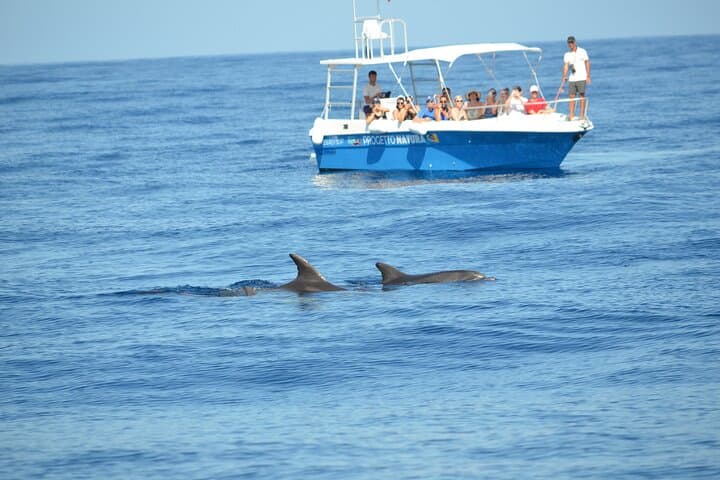
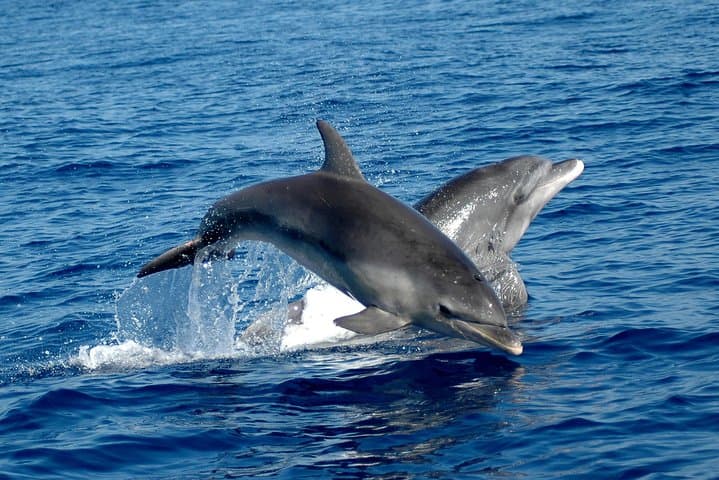
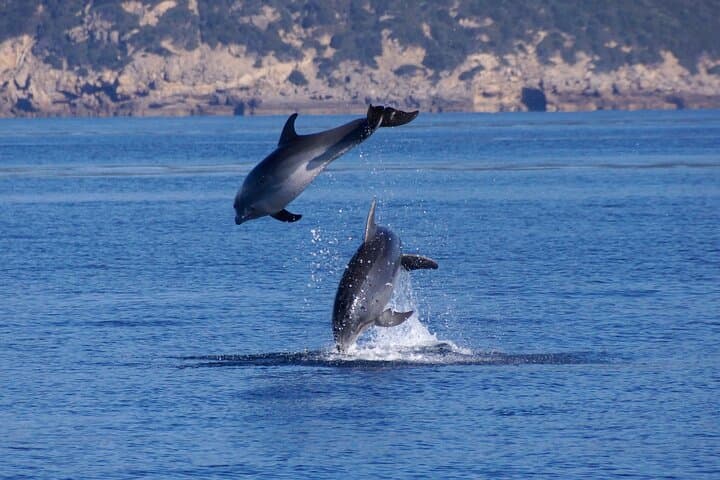
You step off the quay in Alghero and the harbor breathes salt and limestone; the boat hums as scientists prepare hydrophones and photo-ID cards. Within minutes the coastline of Capo Caccia - Isola Piana unspools: vertical cliffs give way to clear shelf waters where bottlenose dolphins often cut arcs through the swell.
You step off the quay in Alghero and the harbor breathes salt and limestone; the boat hums as scientists prepare hydrophones and photo-ID cards. Within minutes the coastline of Capo Caccia - Isola Piana unspools: vertical cliffs give way to clear shelf waters where bottlenose dolphins often cut arcs through the swell.
The Gulf of Alghero sits on Carboniferous to Miocene limestone; caves and cliffs shaped by marine uplift and erosion host a human history of fishing, coral gleaning and maritime trade stretching back to Roman and Catalan settlers whose influence remains in local language and cuisine.
Onboard, MareTerra researchers explain regional cetacean studies, photo‑identification and the Marine Protected Area regulations that govern this stretch of Sardinia. The guided snorkel focuses on reef communities—posidonia meadows, wrasse, and occasional loggerhead turtles—while strict approach rules reduce disturbance to wildlife.
Practically: expect a 4‑hour trip departing from central Alghero with certified guides and provided masks and fins. No onboard toilet; bring water and secure a dry bag for electronics. Snorkelers should be comfortable in open water; guides give in‑water assistance and basic briefing before entry. Seasickness can hit on choppier days—take precautions if you’re prone.
Timing matters: mornings often offer calmer seas and better light for both spotting dolphins and photographing underwater life. Support conservation by following guide instructions, using reef‑safe sunscreen, and considering a donation to MareTerra’s projects. This is an experiential, research‑informed outing that blends citizen science with accessible snorkeling—ideal for travelers who want close, responsible encounters with the sea.