THE ADVENTURE COLLECTIVE® · Independent discovery and booking for outdoor travel

Explore Bronze Age nuraghe towers and coastal cliffs on a focused half-day from Alghero. Visit Nuraghe Palmavera, stroll Porticciolo Beach, and take in the dramatic Belvedere di Foradada at Capo Caccia.
Explore Bronze Age nuraghe towers and coastal cliffs on a focused half-day from Alghero. Visit Nuraghe Palmavera, stroll Porticciolo Beach, and take in the dramatic Belvedere di Foradada at Capo Caccia.
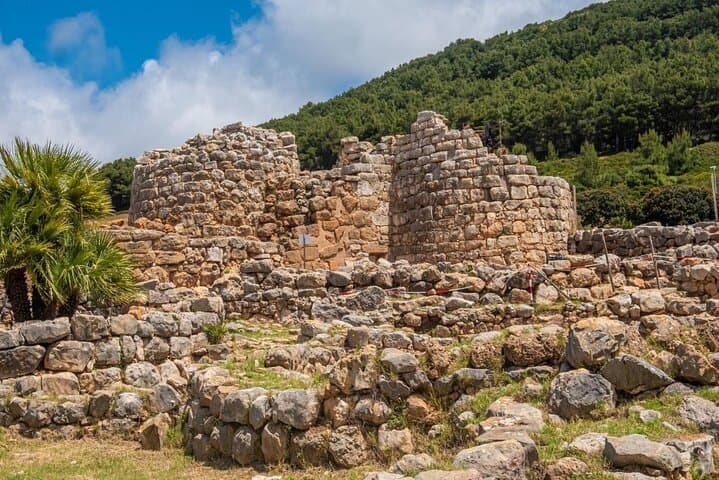
A low-slung minivan peels away from Alghero’s old walls and follows the north coast, wind and salt pressing at the windows. Within half an hour you’re in Porto Conte Regional Park: limestone scrub, jagged cliffs, and the squat stone forms of Nuraghe Palmavera rising from the promontory like an ancient village frozen in mid-conversation.
Verified experiences and guided adventures in the surrounding area.
Operated by Escursì - experience sardinia · Alghero, Sardinia
A low-slung minivan peels away from Alghero’s old walls and follows the north coast, wind and salt pressing at the windows. Within half an hour you’re in Porto Conte Regional Park: limestone scrub, jagged cliffs, and the squat stone forms of Nuraghe Palmavera rising from the promontory like an ancient village frozen in mid-conversation.
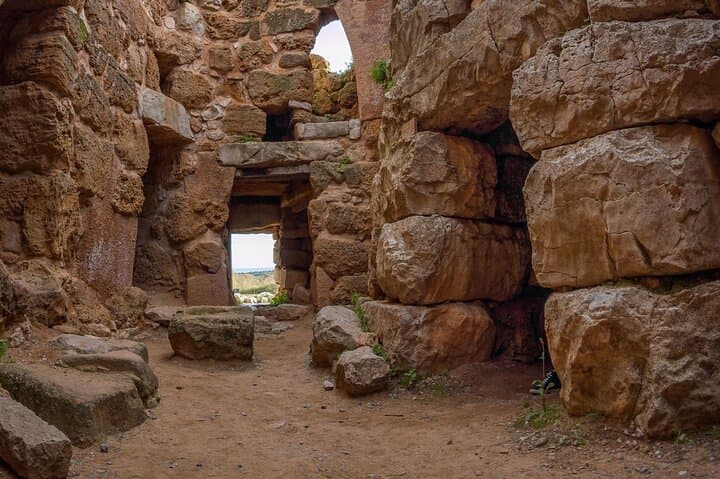
Palmavera’s central tower—built in the Bronze Age from local limestone and sandstone—still carries the geometry of its tholos chamber and radial stair. Guides unpack the site’s arc: Nuragic builders in the 15th–14th centuries B.C., later additions in the 9th century B.C., and reuse in Punic and Roman times. Geology here is plain to see—karstified limestone sculpted by sea and time into the cliffs of Capo Caccia and the coves at Porticciolo.
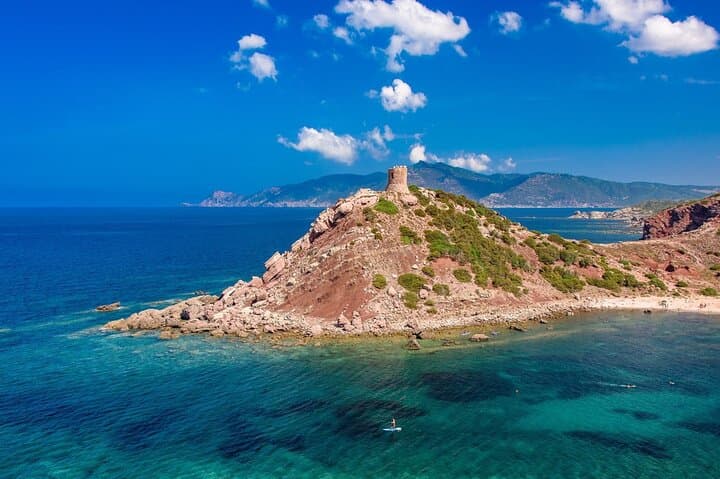
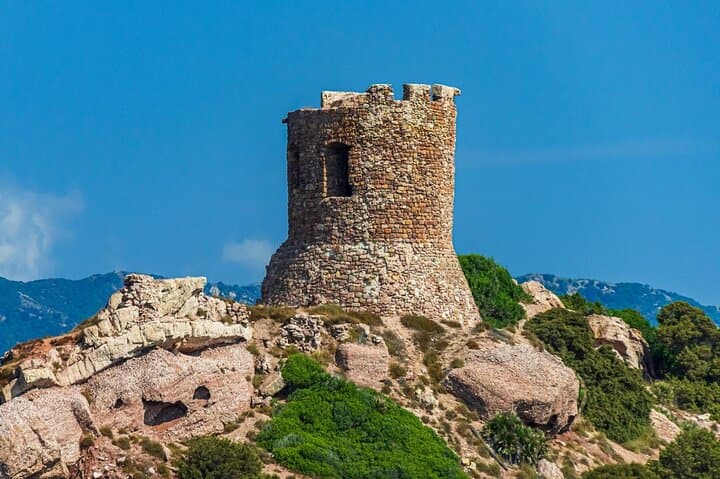
The tour pairs archaeology with short coastal stops: Porticciolo’s dark amber sand and shallow, turquoise water, and the Belvedere di Foradada at Capo Caccia, where the island of Foradada punctures the horizon. Local culture surfaces in small details—Alghero’s Catalan-speaking heritage, seafood shacks, and the park’s seasonal bloom of aromatic shrubs.
Practically: this is an easy, 3-hour outing with short walks on uneven ground and accessible transport. Expect informative on-site interpretation, photographic panoramas at the belvedere, and a chance to stretch legs on short trails by the beach. Bring sun protection, a camera, and comfortable shoes; weather can change quickly near the cliffs, so a light wind layer is wise.
easy.
3 hours.
Suitable for most activity levels; requires short walks of up to 30–60 minutes on uneven terrain and steps.
The tour lasts about 3 hours and includes short, easy walks (30–60 minutes total) on uneven surfaces and steps at the archaeological site and viewpoints.
The operator lists wheelchair-accessible transportation and surfaces; some archaeological areas have uneven ground—check with the guide for the most accessible routes on the day.
Yes—entry to the Palmavera nuragic complex is included in the tour price as stated in the inclusions.
This specific excursion does not allow children under 14; confirm age rules when booking and discuss any mobility needs with the operator.
Nuraghe Palmavera is part of the Nuragic civilization of Bronze Age Sardinia; later Punic and Roman occupations modified and reused the settlement.
Porto Conte is a regional park protecting coastal habitats and Posidonia seagrass; visitors are encouraged to stick to paths and avoid disturbing marine grasses and nesting birds.
Escursì - experience sardinia operates guided outdoor trips and adventures with an emphasis on safety, stewardship, and memorable experiences.
A low-slung minivan peels away from Alghero’s old walls and follows the north coast, wind and salt pressing at the windows. Within half an hour you’re in Porto Conte Regional Park: limestone scrub, jagged cliffs, and the squat stone forms of Nuraghe Palmavera rising from the promontory like an ancient village frozen in mid-conversation.
A low-slung minivan peels away from Alghero’s old walls and follows the north coast, wind and salt pressing at the windows. Within half an hour you’re in Porto Conte Regional Park: limestone scrub, jagged cliffs, and the squat stone forms of Nuraghe Palmavera rising from the promontory like an ancient village frozen in mid-conversation.
Palmavera’s central tower—built in the Bronze Age from local limestone and sandstone—still carries the geometry of its tholos chamber and radial stair. Guides unpack the site’s arc: Nuragic builders in the 15th–14th centuries B.C., later additions in the 9th century B.C., and reuse in Punic and Roman times. Geology here is plain to see—karstified limestone sculpted by sea and time into the cliffs of Capo Caccia and the coves at Porticciolo.
The tour pairs archaeology with short coastal stops: Porticciolo’s dark amber sand and shallow, turquoise water, and the Belvedere di Foradada at Capo Caccia, where the island of Foradada punctures the horizon. Local culture surfaces in small details—Alghero’s Catalan-speaking heritage, seafood shacks, and the park’s seasonal bloom of aromatic shrubs.
Practically: this is an easy, 3-hour outing with short walks on uneven ground and accessible transport. Expect informative on-site interpretation, photographic panoramas at the belvedere, and a chance to stretch legs on short trails by the beach. Bring sun protection, a camera, and comfortable shoes; weather can change quickly near the cliffs, so a light wind layer is wise.