THE ADVENTURE COLLECTIVE® · Independent discovery and booking for outdoor travel

Step off the tourist trail and spend a relaxed 5–6 hours tasting Algarve’s small-producer wines and picking oranges in rural groves. This private, small-group tour pairs vineyard visits with a local lunch and hands-on food experiences.
Step off the tourist trail and spend a relaxed 5–6 hours tasting Algarve’s small-producer wines and picking oranges in rural groves. This private, small-group tour pairs vineyard visits with a local lunch and hands-on food experiences.
Morning light spills across low, scrubby hills as you leave the coast behind and roll into Algarve’s quieter interior. Citrus groves and terraces open like pages in an old book—lemon and orange trees flirting with coastal breezes while rows of vines crouch against limestone slopes. The guide leads with easy confidence; today is about tasting place as much as wine.
Verified experiences and guided adventures in the surrounding area.
Operated by GL Tours · Albufeira, Faro District
Morning light spills across low, scrubby hills as you leave the coast behind and roll into Algarve’s quieter interior. Citrus groves and terraces open like pages in an old book—lemon and orange trees flirting with coastal breezes while rows of vines crouch against limestone slopes. The guide leads with easy confidence; today is about tasting place as much as wine.
The Algarve’s culinary roots mix Phoenician, Roman and Moorish traces—olive presses, irrigation ideas and citrus trees introduced and refined over centuries. Geologically the region is largely sedimentary: limestone benches, sandy pockets and clay soils that stress vines in summer and give wines a lean, mineral character. Small family-owned producers dominate here; expect intimate cellars rather than polished estates.
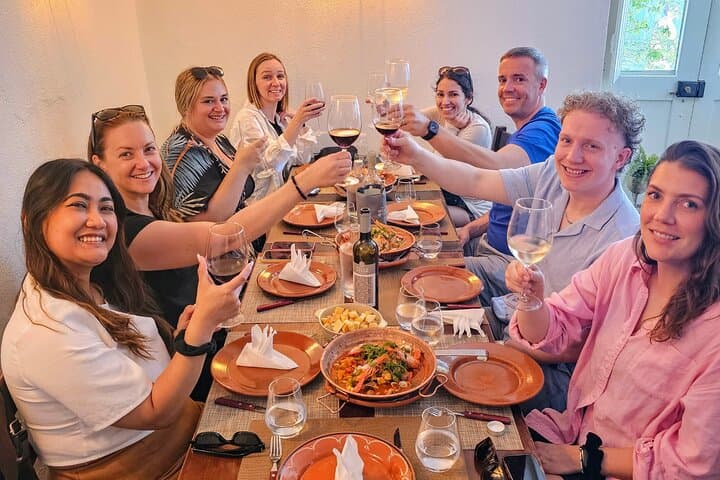
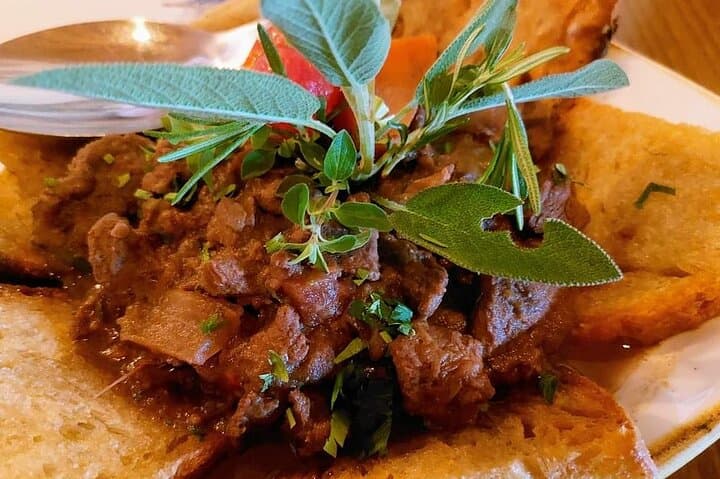
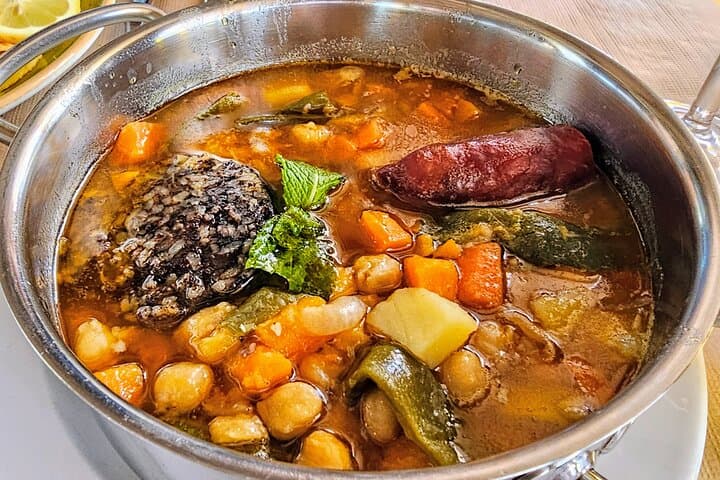
Culturally the day leans relaxed. You may pick oranges straight from the tree, wander a vineyard block, then sit for a tasting of three local wines—often indigenous whites and light, spicy reds—followed by a lunch of regional cheeses, cured fish and breads. Conversation moves between soil and spice, not labels.
Practicalities: the tour is 5–6 hours with light walking on uneven farm tracks and short, flat vineyard paths. Wear sturdy shoes and a hat; bring sunscreen and a reusable water bottle. If you’re sensitive to alcohol, let the guide know—food pairings are generous and pacing is convivial. Public transport options exist in Albufeira, but private pickup is common; verify pickup details when booking. Expect small-group pacing, plenty of shade, and a chance to take home a bottle or two that actually remembers the place it came from.
easy.
5–6 hours.
Suitable for most fitness levels; requires short periods of standing and light walking on farm tracks
Expect light walking on flat to gently sloped farm tracks and between tasting stations—no steep hikes or long treks.
Yes—three standard local wines are sampled at the vineyard plus an additional local wine with lunch as described in the itinerary.
Private pickup is typically offered; public transport options exist nearby but you should confirm pickup details when booking.
Yes—the operator requests dietary needs at booking and will adapt lunch where possible; notify them in advance to ensure options.
The Algarve’s rural landscape reflects Roman and Moorish irrigation practices and centuries of small-holder agriculture, with citrus cultivation expanding in the 18th–19th centuries.
Many small wineries practice low-intervention farming and preserve dry stone walls and hedgerows; visitors are encouraged to avoid single-use plastics and respect private farmland.
GL Tours operates guided outdoor trips and adventures with an emphasis on safety, stewardship, and memorable experiences.

Morning light spills across low, scrubby hills as you leave the coast behind and roll into Algarve’s quieter interior. Citrus groves and terraces open like pages in an old book—lemon and orange trees flirting with coastal breezes while rows of vines crouch against limestone slopes. The guide leads with easy confidence; today is about tasting place as much as wine.
Morning light spills across low, scrubby hills as you leave the coast behind and roll into Algarve’s quieter interior. Citrus groves and terraces open like pages in an old book—lemon and orange trees flirting with coastal breezes while rows of vines crouch against limestone slopes. The guide leads with easy confidence; today is about tasting place as much as wine.
The Algarve’s culinary roots mix Phoenician, Roman and Moorish traces—olive presses, irrigation ideas and citrus trees introduced and refined over centuries. Geologically the region is largely sedimentary: limestone benches, sandy pockets and clay soils that stress vines in summer and give wines a lean, mineral character. Small family-owned producers dominate here; expect intimate cellars rather than polished estates.
Culturally the day leans relaxed. You may pick oranges straight from the tree, wander a vineyard block, then sit for a tasting of three local wines—often indigenous whites and light, spicy reds—followed by a lunch of regional cheeses, cured fish and breads. Conversation moves between soil and spice, not labels.
Practicalities: the tour is 5–6 hours with light walking on uneven farm tracks and short, flat vineyard paths. Wear sturdy shoes and a hat; bring sunscreen and a reusable water bottle. If you’re sensitive to alcohol, let the guide know—food pairings are generous and pacing is convivial. Public transport options exist in Albufeira, but private pickup is common; verify pickup details when booking. Expect small-group pacing, plenty of shade, and a chance to take home a bottle or two that actually remembers the place it came from.