THE ADVENTURE COLLECTIVE® · Independent discovery and booking for outdoor travel

Experience Ria Formosa by ear: a guided, half-day dawn walk from Gambelas that amplifies bird chorus, insect drones and pond calls across pine and cork woods. Expect 5 km of mostly flat trail, curated listening stops, and high‑tech headsets that reveal seasonal sonodiversity.
Experience Ria Formosa by ear: a guided, half-day dawn walk from Gambelas that amplifies bird chorus, insect drones and pond calls across pine and cork woods. Expect 5 km of mostly flat trail, curated listening stops, and high‑tech headsets that reveal seasonal sonodiversity.
You gather at the Algarve University Gambelas entrance before dawn, backpacks humming softly with shared equipment, while the first birdcalls push through the cool Algarve light. The walk slips into a mix of pine stands and cork-oak montado; insects start their high and low conversations and distant amphibian calls stitch a watery bass beneath it all. Microphones and radio headsets make the forest speak in amplified detail: rustle, wing-snap, the creak of sand cliffs shifting.
Verified experiences and guided adventures in the surrounding area.
Operated by Sons D'Aqui · Faro, Algarve
You gather at the Algarve University Gambelas entrance before dawn, backpacks humming softly with shared equipment, while the first birdcalls push through the cool Algarve light. The walk slips into a mix of pine stands and cork-oak montado; insects start their high and low conversations and distant amphibian calls stitch a watery bass beneath it all. Microphones and radio headsets make the forest speak in amplified detail: rustle, wing-snap, the creak of sand cliffs shifting.
Geology and local culture imprint the route — this coastal plain is shaped by Ria Formosa’s barrier-lagoon dynamics and inland sand deposits, and the cork oak is part of a centuries-old agro-sylviculture that shaped livelihoods here. The sound itinerary highlights seasonal shifts: spring’s breeding choruses, summer’s insect drone, autumn migration notes and winter night-callers.
Practically, expect roughly 5 km over mostly flat, sandy and compacted trails with intermittent muddy hollows and low dunes; total time about 2.5 hours. Stops at two to three curated soundscapes include seated listening and short guided interpretation. Organizers supply a small backpack, 0.5L water canister, stool, space blanket and high‑tech headsets; bring layered clothing for coastal mornings, sturdy shoes for sandy paths, and silence — phones off to keep the acoustic field clean.
This is a contemplative, low-impact experience: posture your listening, respect wildlife timing, and carry any extra water or sun protection you need. For anyone curious about the sonic life of a protected coastal system, the walk converts ordinary forest sounds into a detailed portrait of place.
easy.
2–2.5 hours.
Suitable for most fitness levels; requires walking ~5 km on mostly flat terrain and short standing listening periods.
The route covers about 5 km and takes approximately 2.5 hours, with two to three seated listening stops for guided interpretation.
The walk is rated easy and suitable for most people who can walk 5 km on sandy or firm trails; it’s not recommended for those with serious spinal, cardiovascular, or pregnancy-related restrictions.
Yes, but participants are asked to minimize noise and avoid flash or loud shutter sounds during focused listening periods to protect the acoustic experience.
Organizers provide high‑tech headsets, a small foam sitting pad or tripod stool, a 20L backpack on request, a 0.5L water canister, whistle and a basic emergency blanket.
The Ria Formosa lagoon system has long shaped local livelihoods—salt pans, artisanal fishing and cork oak montado management have coexisted on this shifting coastal plain for centuries.
Ria Formosa is a protected natural park; low-impact, quiet visits like sound walks reduce disturbance and raise awareness about seasonal breeding and migration patterns.
Sons D'Aqui operates guided outdoor trips and adventures with an emphasis on safety, stewardship, and memorable experiences.

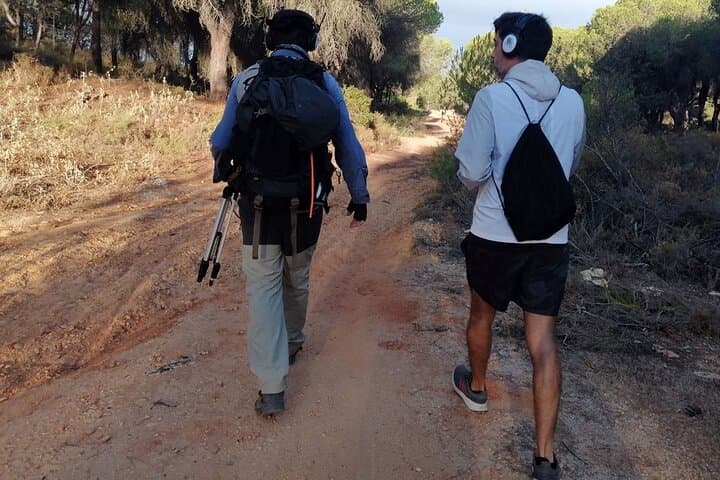
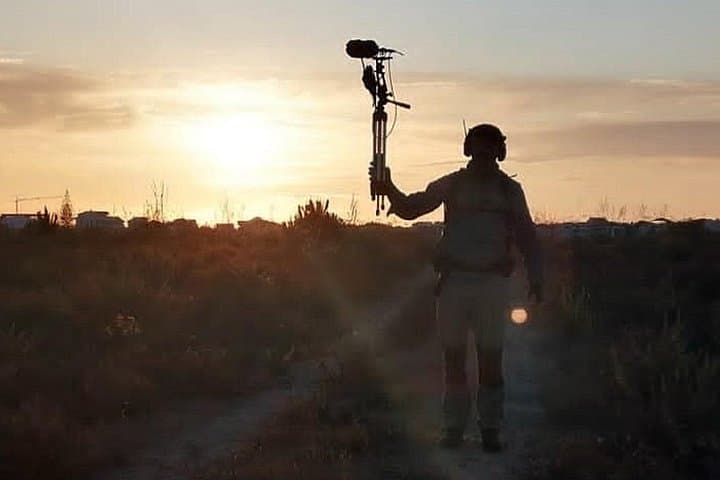

You gather at the Algarve University Gambelas entrance before dawn, backpacks humming softly with shared equipment, while the first birdcalls push through the cool Algarve light. The walk slips into a mix of pine stands and cork-oak montado; insects start their high and low conversations and distant amphibian calls stitch a watery bass beneath it all. Microphones and radio headsets make the forest speak in amplified detail: rustle, wing-snap, the creak of sand cliffs shifting.
You gather at the Algarve University Gambelas entrance before dawn, backpacks humming softly with shared equipment, while the first birdcalls push through the cool Algarve light. The walk slips into a mix of pine stands and cork-oak montado; insects start their high and low conversations and distant amphibian calls stitch a watery bass beneath it all. Microphones and radio headsets make the forest speak in amplified detail: rustle, wing-snap, the creak of sand cliffs shifting.
Geology and local culture imprint the route — this coastal plain is shaped by Ria Formosa’s barrier-lagoon dynamics and inland sand deposits, and the cork oak is part of a centuries-old agro-sylviculture that shaped livelihoods here. The sound itinerary highlights seasonal shifts: spring’s breeding choruses, summer’s insect drone, autumn migration notes and winter night-callers.
Practically, expect roughly 5 km over mostly flat, sandy and compacted trails with intermittent muddy hollows and low dunes; total time about 2.5 hours. Stops at two to three curated soundscapes include seated listening and short guided interpretation. Organizers supply a small backpack, 0.5L water canister, stool, space blanket and high‑tech headsets; bring layered clothing for coastal mornings, sturdy shoes for sandy paths, and silence — phones off to keep the acoustic field clean.
This is a contemplative, low-impact experience: posture your listening, respect wildlife timing, and carry any extra water or sun protection you need. For anyone curious about the sonic life of a protected coastal system, the walk converts ordinary forest sounds into a detailed portrait of place.