THE ADVENTURE COLLECTIVE® · Independent discovery and booking for outdoor travel

Step into the Algarve interior for a two-hour, hands-on apiary visit with honey tasting. Learn traditional beekeeping methods, observe hives up close in protective suits, and sample region-specific honeys while gaining practical safety and planning tips.
Step into the Algarve interior for a two-hour, hands-on apiary visit with honey tasting. Learn traditional beekeeping methods, observe hives up close in protective suits, and sample region-specific honeys while gaining practical safety and planning tips.
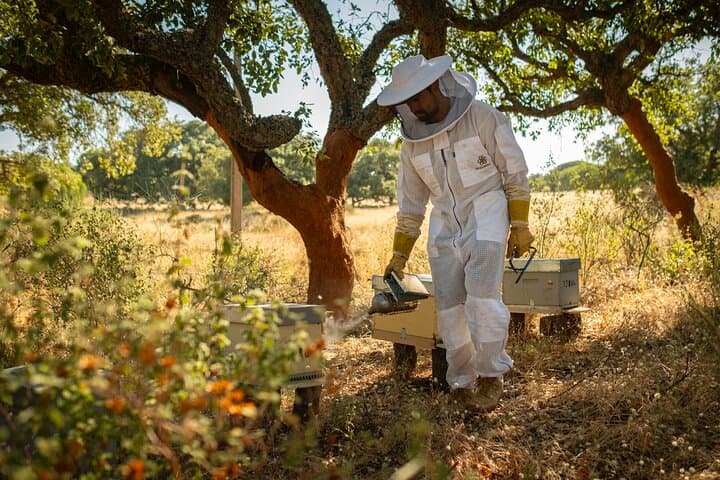
You step onto warm, sunbaked earth behind a low stone wall, the Algarve interior unfolding in low hills and cork oak scrub. A light breeze carries the faint, green scent of thyme while a low hum grows, steady as a current; the bees welcome you before you see them.
Verified experiences and guided adventures in the surrounding area.
Operated by Beekeeping Algarve Experience · Albufeira, Faro
You step onto warm, sunbaked earth behind a low stone wall, the Algarve interior unfolding in low hills and cork oak scrub. A light breeze carries the faint, green scent of thyme while a low hum grows, steady as a current; the bees welcome you before you see them.
Beekeeping in the Algarve traces a slow, practical history: small apiaries have threaded local farms for centuries, producing rosemary and orange blossom honeys shaped by limestone soils and Mediterranean flora. The region’s soft geology—calcareous hills and sandy pockets—creates nectar pockets that give Algarve honeys a clear, floral sharpness.
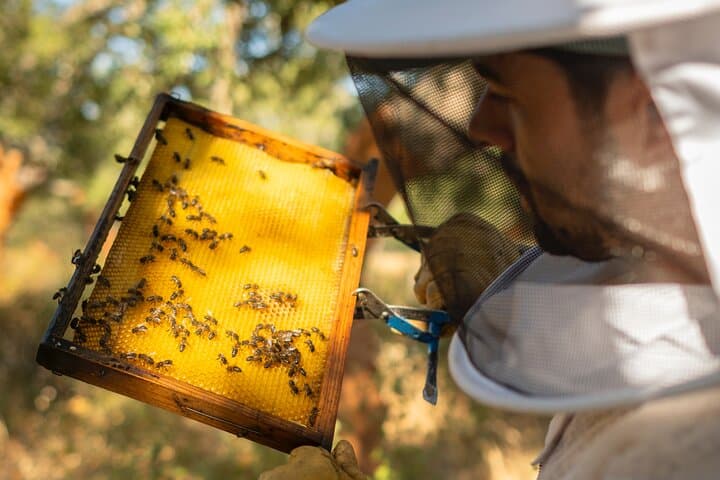
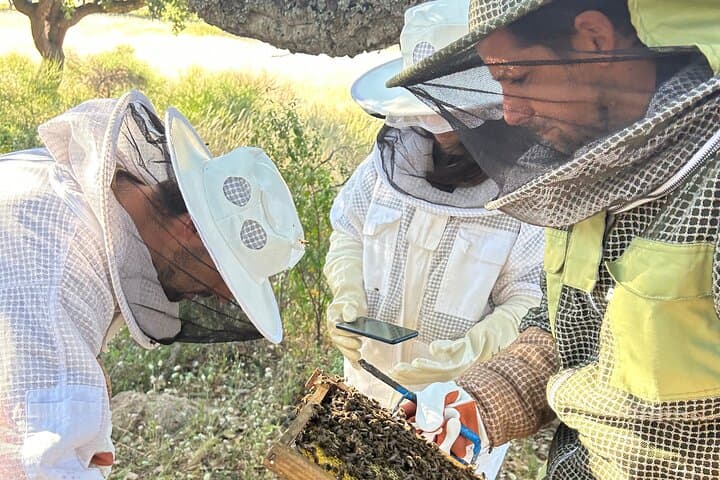
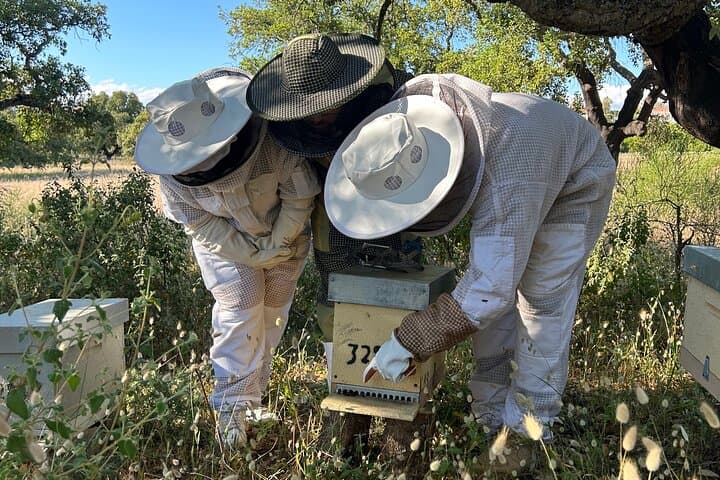
This is part nature study, part living cultural heritage. Guides explain hive structure, queen roles, and how beekeeping changed from wooden skeps to modern frames, then lead you, suited and calm, to lift frames and observe worker bees at close range. The final act is a guided tasting of varietal honeys—citrus, wildflower, and heather—matched with notes on season and forage.
Practicalities: the visit runs about two hours, and suits and basic protective gear are provided. It’s suitable for most ages, but not recommended for pregnant visitors or those with severe bee allergies or cardiovascular issues. Expect uneven ground and sun exposure; closed-toe shoes and neutral-smelling clothing make the interaction safer and more comfortable.
Leave with a jar of locally produced honey and a clearer sense of how small-scale beekeeping supports pollination and rural livelihoods in the Algarve’s interior.
easy.
2 hours.
Suitable for people in average physical condition; requires short walks on uneven terrain and standing.
Yes—guides provide a 30-minute introduction and protective suits; the visit is supervised and paced for beginners.
Children can often participate but check age limits with the operator; guardians should disclose allergies and supervise closely.
Yes—standard beekeeping suits are provided as part of the activity; wear closed-toe shoes and neutral clothing underneath.
Yes—samples of several Algarve honeys are included and local jars are typically available for purchase after the tasting.
Small-scale apiculture has been part of Algarve farming for generations, with local honeys historically used for food and folk remedies.
Supporting local apiaries helps maintain pollinator populations; avoid using pesticides and follow guide instructions to minimize disturbance.
Beekeeping Algarve Experience operates guided outdoor trips and adventures with an emphasis on safety, stewardship, and memorable experiences.
You step onto warm, sunbaked earth behind a low stone wall, the Algarve interior unfolding in low hills and cork oak scrub. A light breeze carries the faint, green scent of thyme while a low hum grows, steady as a current; the bees welcome you before you see them.
You step onto warm, sunbaked earth behind a low stone wall, the Algarve interior unfolding in low hills and cork oak scrub. A light breeze carries the faint, green scent of thyme while a low hum grows, steady as a current; the bees welcome you before you see them.
Beekeeping in the Algarve traces a slow, practical history: small apiaries have threaded local farms for centuries, producing rosemary and orange blossom honeys shaped by limestone soils and Mediterranean flora. The region’s soft geology—calcareous hills and sandy pockets—creates nectar pockets that give Algarve honeys a clear, floral sharpness.
This is part nature study, part living cultural heritage. Guides explain hive structure, queen roles, and how beekeeping changed from wooden skeps to modern frames, then lead you, suited and calm, to lift frames and observe worker bees at close range. The final act is a guided tasting of varietal honeys—citrus, wildflower, and heather—matched with notes on season and forage.
Practicalities: the visit runs about two hours, and suits and basic protective gear are provided. It’s suitable for most ages, but not recommended for pregnant visitors or those with severe bee allergies or cardiovascular issues. Expect uneven ground and sun exposure; closed-toe shoes and neutral-smelling clothing make the interaction safer and more comfortable.
Leave with a jar of locally produced honey and a clearer sense of how small-scale beekeeping supports pollination and rural livelihoods in the Algarve’s interior.