THE ADVENTURE COLLECTIVE® · Independent discovery and booking for outdoor travel

Ride a tuk‑tuk through Alfama’s steep cobbles and river views on a brisk 90‑minute tour that stops at Santa Luzia, Lisbon Cathedral and the National Pantheon. Perfect for first‑time visitors who want concentrated history, sweeping viewpoints and a taste of Fado culture.
Ride a tuk‑tuk through Alfama’s steep cobbles and river views on a brisk 90‑minute tour that stops at Santa Luzia, Lisbon Cathedral and the National Pantheon. Perfect for first‑time visitors who want concentrated history, sweeping viewpoints and a taste of Fado culture.
The tuk‑tuk hums up a narrow lane and the Tagus opens to the right like a slow-moving mirror; salt air pushes through the open sides and the hills of Alfama keep revealing terraces, tiled façades and laundry lines swinging in the breeze.
Verified experiences and guided adventures in the surrounding area.
Operated by Belal · Lisbon, Lisbon
The tuk‑tuk hums up a narrow lane and the Tagus opens to the right like a slow-moving mirror; salt air pushes through the open sides and the hills of Alfama keep revealing terraces, tiled façades and laundry lines swinging in the breeze.
This 90‑minute ride threads through Lisbon’s oldest quarter—once a Moorish district, later a medieval maze that survived the 1755 earthquake relatively intact. The geology of the area is simple: steep granite outcrops carved by the Tagus estuary, streets laid over layers of history. Culture here is tactile: Fado drifts from doorways, azulejos (ceramic tiles) chart family histories, and the National Pantheon and Lisbon Cathedral stand as civic bookmarks of centuries of change.
Expect frequent stops at viewpoints like Santa Luzia and Portas do Sol, short photo breaks at the Cathedral and the Pantheon, and a chance to pass Feira da Ladra on Tuesdays and Saturdays. The tuk‑tuk eases the climbs, but many streets remain cobbled and steep—drivers pick routes that minimize foot transfers, yet passengers should be ready to step out briefly.
Practical guidance: aim for morning or late afternoon light for photography, carry small local currency for coffees or entrance fees, and wear grippy shoes for the quick steps off the vehicle. The tour is private and accessible to most fitness levels, but it’s not recommended for pregnant travelers or those with serious spinal issues. Keep valuables secure—Alfama’s charm includes tight alleys that can shadow pickpockets—and give local businesses time to serve; Alfama runs at a slower, human pace.
easy.
1.5 hours.
Suitable for most fitness levels; minimal walking required but expect short steps on cobbles.
Children are allowed but the operator advises against under 7s; check age restrictions during booking and bring appropriate child restraints if needed.
The tour is private and typically flexible—ask during booking or at pickup; routing can change based on traffic and pedestrian zones.
Tuk‑tuks reduce walking and climbing, but steep cobbles and narrow alleys may limit full wheelchair access; notify the operator of mobility needs when booking.
Most guides in Lisbon speak English and Portuguese; confirm language options when you reserve to ensure a comfortable commentary.
Alfama is Lisbon’s oldest neighborhood, with roots in Moorish settlement and survival through the 1755 earthquake; many buildings preserve medieval street patterns and centuries of urban layering.
High foot traffic strains narrow lanes—respect residents by keeping noise low, avoid littering, and choose local cafés to support community businesses.
Belal operates guided outdoor trips and adventures with an emphasis on safety, stewardship, and memorable experiences.
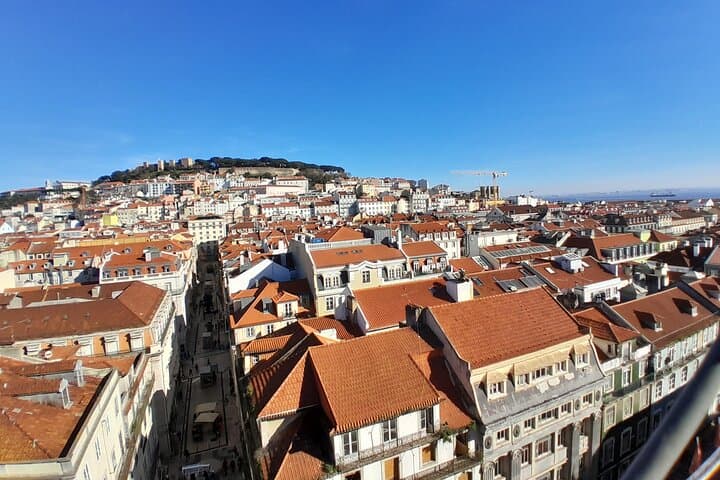
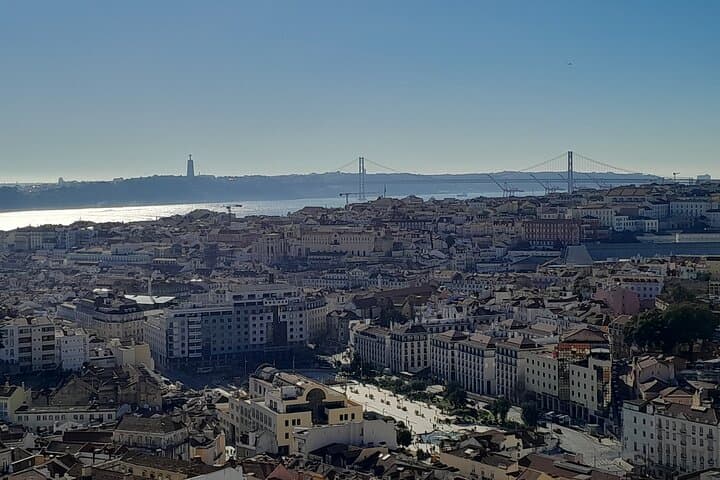
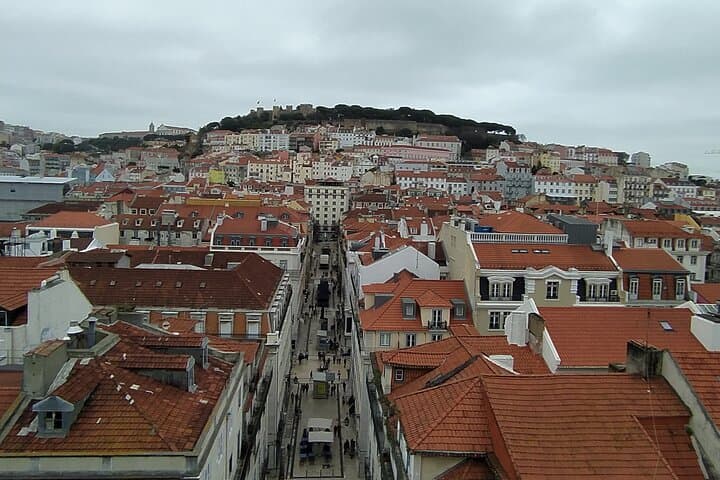
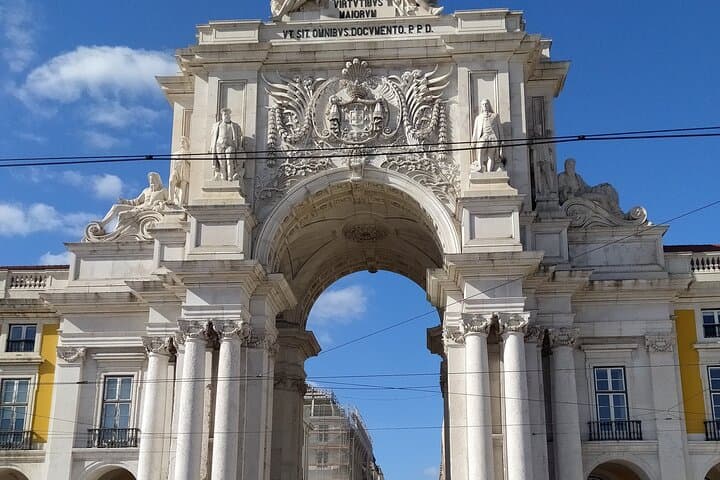
The tuk‑tuk hums up a narrow lane and the Tagus opens to the right like a slow-moving mirror; salt air pushes through the open sides and the hills of Alfama keep revealing terraces, tiled façades and laundry lines swinging in the breeze.
The tuk‑tuk hums up a narrow lane and the Tagus opens to the right like a slow-moving mirror; salt air pushes through the open sides and the hills of Alfama keep revealing terraces, tiled façades and laundry lines swinging in the breeze.
This 90‑minute ride threads through Lisbon’s oldest quarter—once a Moorish district, later a medieval maze that survived the 1755 earthquake relatively intact. The geology of the area is simple: steep granite outcrops carved by the Tagus estuary, streets laid over layers of history. Culture here is tactile: Fado drifts from doorways, azulejos (ceramic tiles) chart family histories, and the National Pantheon and Lisbon Cathedral stand as civic bookmarks of centuries of change.
Expect frequent stops at viewpoints like Santa Luzia and Portas do Sol, short photo breaks at the Cathedral and the Pantheon, and a chance to pass Feira da Ladra on Tuesdays and Saturdays. The tuk‑tuk eases the climbs, but many streets remain cobbled and steep—drivers pick routes that minimize foot transfers, yet passengers should be ready to step out briefly.
Practical guidance: aim for morning or late afternoon light for photography, carry small local currency for coffees or entrance fees, and wear grippy shoes for the quick steps off the vehicle. The tour is private and accessible to most fitness levels, but it’s not recommended for pregnant travelers or those with serious spinal issues. Keep valuables secure—Alfama’s charm includes tight alleys that can shadow pickpockets—and give local businesses time to serve; Alfama runs at a slower, human pace.