THE ADVENTURE COLLECTIVE® · Independent discovery and booking for outdoor travel

Wander Alfama’s medieval lanes with a private local guide, visiting dramatic viewpoints and historic sites like São Jorge Castle. This concise 2‑hour walking tour blends architecture, local stories, and photo-ready panoramas.
Wander Alfama’s medieval lanes with a private local guide, visiting dramatic viewpoints and historic sites like São Jorge Castle. This concise 2‑hour walking tour blends architecture, local stories, and photo-ready panoramas.
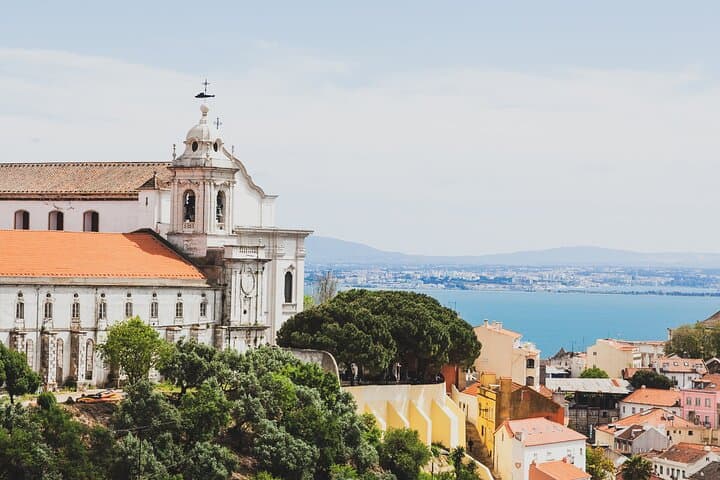
You meet your guide in Praça do Comércio, the Tagus at your back and the city rising before you in a patchwork of red roofs and narrow alleys. The cobbles slope upward, and Alfama’s stone walls seem to lean in to hear your footfalls — this is a neighborhood that pushes history into your path.
Verified experiences and guided adventures in the surrounding area.
Operated by Friendly Local Guides · Lisbon, Lisbon
You meet your guide in Praça do Comércio, the Tagus at your back and the city rising before you in a patchwork of red roofs and narrow alleys. The cobbles slope upward, and Alfama’s stone walls seem to lean in to hear your footfalls — this is a neighborhood that pushes history into your path.
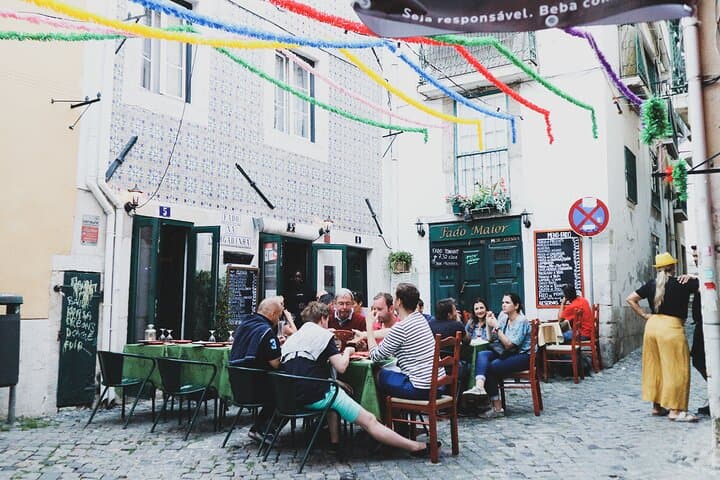
Alfama grew from Roman foundations into a medieval quarter shaped by Moorish streets and later by Lisbon’s Jewish community; its lanes still carry the imprint of those eras. Geologically the district sits on the southern terraces above the Tagus estuary, so expect steep stairways and sudden viewpoints where the river opens like a bright mirror. Architecture ranges from restrained medieval façades to brightly tiled Manueline and Pombaline details. Local culture is audible in fado notes leaking from tavern doors and visible in laundry lines strung between windows.
Practicalities: this private 2‑hour walking tour covers uneven cobblestones, narrow lanes, and several lookouts (Portas do Sol, Miradouro da Graça, Senhora do Monte) ending at São Jorge Castle. Wear grippy shoes and bring water; there are short climbs and many steps. The itinerary is customizable — ask your guide to focus on history, viewpoints or local food recommendations. Morning light softens the tiles for photos; late afternoon brings golden views and cooler air. Public transport links are close but the route is best experienced on foot. Expect a friendly local guide who can point out off‑beat corners, recommend taverns, and help plan the rest of your Lisbon stay.
moderate.
2 hours.
Moderate — able to handle repeated short climbs and uneven cobbles for two hours.
The meeting point is Praça do Comércio near the river; exact meeting details are provided at booking and the guide will be nearby at the scheduled time.
Alfama’s narrow streets and many steps make full accessibility limited; contact the operator to discuss modified routes or private arrangements.
Yes — the private format allows you to emphasize viewpoints, history, or local food stops based on your interests.
Admission is not included by default; confirm with the operator if you want tickets provided or if you’ll purchase them separately.
Alfama’s street pattern preserves medieval and Moorish urban design; it was also the site of Lisbon’s historic Jewish quarter and later a working-class neighborhood shaped by seafaring trades.
Heavy foot traffic and narrow streets make responsible tourism important — stick to paths, avoid graffiti, and support local businesses to help sustain the neighborhood.
Friendly Local Guides operates guided outdoor trips and adventures with an emphasis on safety, stewardship, and memorable experiences.

You meet your guide in Praça do Comércio, the Tagus at your back and the city rising before you in a patchwork of red roofs and narrow alleys. The cobbles slope upward, and Alfama’s stone walls seem to lean in to hear your footfalls — this is a neighborhood that pushes history into your path.
You meet your guide in Praça do Comércio, the Tagus at your back and the city rising before you in a patchwork of red roofs and narrow alleys. The cobbles slope upward, and Alfama’s stone walls seem to lean in to hear your footfalls — this is a neighborhood that pushes history into your path.
Alfama grew from Roman foundations into a medieval quarter shaped by Moorish streets and later by Lisbon’s Jewish community; its lanes still carry the imprint of those eras. Geologically the district sits on the southern terraces above the Tagus estuary, so expect steep stairways and sudden viewpoints where the river opens like a bright mirror. Architecture ranges from restrained medieval façades to brightly tiled Manueline and Pombaline details. Local culture is audible in fado notes leaking from tavern doors and visible in laundry lines strung between windows.
Practicalities: this private 2‑hour walking tour covers uneven cobblestones, narrow lanes, and several lookouts (Portas do Sol, Miradouro da Graça, Senhora do Monte) ending at São Jorge Castle. Wear grippy shoes and bring water; there are short climbs and many steps. The itinerary is customizable — ask your guide to focus on history, viewpoints or local food recommendations. Morning light softens the tiles for photos; late afternoon brings golden views and cooler air. Public transport links are close but the route is best experienced on foot. Expect a friendly local guide who can point out off‑beat corners, recommend taverns, and help plan the rest of your Lisbon stay.