THE ADVENTURE COLLECTIVE® · Independent discovery and booking for outdoor travel

A full-day circuit from Cairo that stitches Hellenistic ruins, a medieval fort built atop the Pharos site, a cutting-edge library, and royal gardens into one coastal story. Practical for travelers who want cultural depth without overnight logistics.
A full-day circuit from Cairo that stitches Hellenistic ruins, a medieval fort built atop the Pharos site, a cutting-edge library, and royal gardens into one coastal story. Practical for travelers who want cultural depth without overnight logistics.
You step off the Cairo highway as the Mediterranean air sharpens; the city’s flat horizon opens and a long ribbon of corniche pulls you toward Alexandria’s low-slung skyline.
Verified experiences and guided adventures in the surrounding area.
Operated by Oman Day Tours · Alexandria, Alexandria Governorate
You step off the Cairo highway as the Mediterranean air sharpens; the city’s flat horizon opens and a long ribbon of corniche pulls you toward Alexandria’s low-slung skyline.
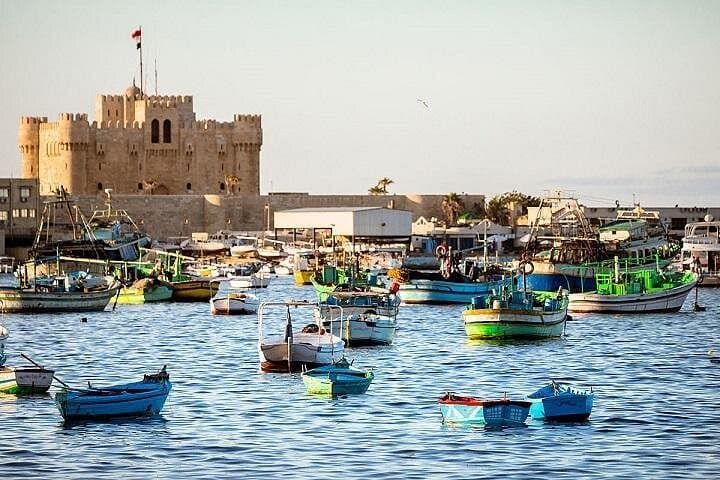
The day begins underground at the Catacombs of Kom El Shoqafa — three carved levels where Roman tomb architecture converses with Egyptian funerary motifs. Light from a guide’s lamp reveals carved reliefs that still argue with time. Above, the stone silhouette of Qaitbay Fort stands where the ancient Pharos once dared the sea, and the surf nudges the base of the old harbor as if to remind you of the lighthouse that made this port famous.
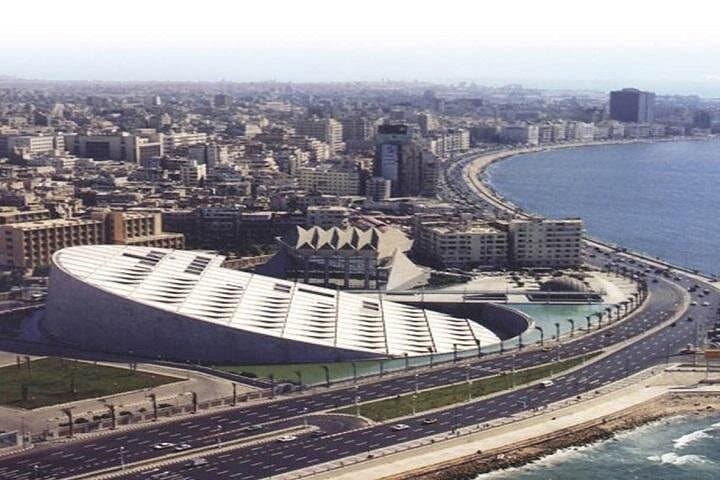
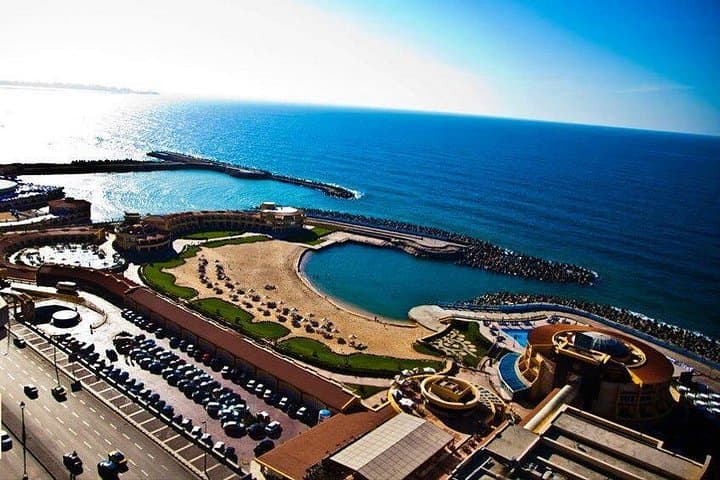
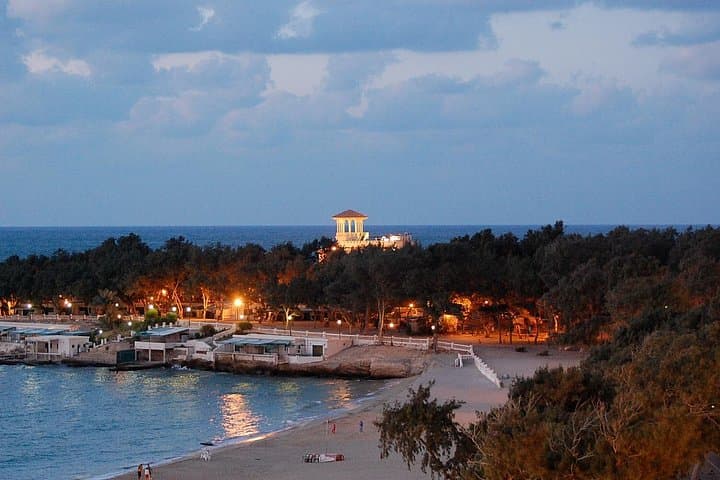
Modernity interrupts in glass and concrete at the Bibliotheca Alexandrina, a deliberate architectural rebuke to loss: a public library built to reclaim the city’s once-global role as a knowledge hub. Finish in Montazah Gardens, where palms keep watch over a royal summer palace and a drive down the beach road offers broad views of fishermen and bathers against the late-day light.
History here is layered — Hellenistic foundations, Roman occupation, Islamic landmarks, and 20th-century royal landscapes — and the geology is coastal limestone and reclaimed sand that shaped the harbor’s rise and decline.
Practical guidance: expect an 8–10 hour day with multiple short walks and stairs; carry sunscreen, a refillable water bottle, and comfortable walking shoes. Modest dress is required for mosque visits; keep your passport or ID handy for admissions. Traffic between Cairo and Alexandria can add time — start early and plan your return before late-night roadwork. The route rewards patience: it’s a cultural coastline that pushes you forward with its history and sea wind.
moderate.
8–10 hours.
Suitable for travelers with average walking fitness; includes stairs and uneven floors in historic sites.
The drive typically takes about 2.5–3 hours each way depending on traffic; plan for an 8–10 hour round-trip outing.
Yes — the tour includes entrance fees to the mentioned sites and a local guide at key stops like the Bibliotheca and catacombs.
Children are welcome, but the catacombs and some historic sites have stairs and uneven surfaces; the tour notes it is not recommended for travelers with spinal injuries or for pregnant travelers.
Bring your passport or national ID for ticketing and identity checks at some sites; mobile tickets are accepted.
Founded by Alexander the Great and reshaped by Hellenistic, Roman and Islamic eras, Alexandria was home to the Pharos lighthouse and the original Great Library.
Many Alexandria sites require careful preservation — avoid touching fragile reliefs, stick to marked paths, and support local efforts to reduce coastal litter.
Oman Day Tours operates guided outdoor trips and adventures with an emphasis on safety, stewardship, and memorable experiences.
You step off the Cairo highway as the Mediterranean air sharpens; the city’s flat horizon opens and a long ribbon of corniche pulls you toward Alexandria’s low-slung skyline.
You step off the Cairo highway as the Mediterranean air sharpens; the city’s flat horizon opens and a long ribbon of corniche pulls you toward Alexandria’s low-slung skyline.
The day begins underground at the Catacombs of Kom El Shoqafa — three carved levels where Roman tomb architecture converses with Egyptian funerary motifs. Light from a guide’s lamp reveals carved reliefs that still argue with time. Above, the stone silhouette of Qaitbay Fort stands where the ancient Pharos once dared the sea, and the surf nudges the base of the old harbor as if to remind you of the lighthouse that made this port famous.
Modernity interrupts in glass and concrete at the Bibliotheca Alexandrina, a deliberate architectural rebuke to loss: a public library built to reclaim the city’s once-global role as a knowledge hub. Finish in Montazah Gardens, where palms keep watch over a royal summer palace and a drive down the beach road offers broad views of fishermen and bathers against the late-day light.
History here is layered — Hellenistic foundations, Roman occupation, Islamic landmarks, and 20th-century royal landscapes — and the geology is coastal limestone and reclaimed sand that shaped the harbor’s rise and decline.
Practical guidance: expect an 8–10 hour day with multiple short walks and stairs; carry sunscreen, a refillable water bottle, and comfortable walking shoes. Modest dress is required for mosque visits; keep your passport or ID handy for admissions. Traffic between Cairo and Alexandria can add time — start early and plan your return before late-night roadwork. The route rewards patience: it’s a cultural coastline that pushes you forward with its history and sea wind.