THE ADVENTURE COLLECTIVE® · Independent discovery and booking for outdoor travel

Follow historic levadas from the western plateau into a valley of carved rock pools and cascading waters. This full-day walk combines engineered irrigation channels, laurel forest, and invigorating mountain swims—ideal for hikers with moderate fitness.
Follow historic levadas from the western plateau into a valley of carved rock pools and cascading waters. This full-day walk combines engineered irrigation channels, laurel forest, and invigorating mountain swims—ideal for hikers with moderate fitness.
The trail opens with the smell of wet laurel and the steady whisper of mountain water. You start low among levada channels—flat, engineered ribbons carrying life—then climb into a valley where rock pools have been carved over millennia, their clear bowls daring you to cool off. Light breaks through high canopy and the wind from the plateau brushes across the water, pushing the spray toward the cliffs.
Verified experiences and guided adventures in the surrounding area.
Operated by Madeira Explorers · Rabaçal, Madeira
The trail opens with the smell of wet laurel and the steady whisper of mountain water. You start low among levada channels—flat, engineered ribbons carrying life—then climb into a valley where rock pools have been carved over millennia, their clear bowls daring you to cool off. Light breaks through high canopy and the wind from the plateau brushes across the water, pushing the spray toward the cliffs.
Madeira's levadas date to the 16th century, built to carry irrigation from the rainy interior toward coastal farms. Geologically the west plateau is ancient basalt shaped by lava flows and later sculpted by persistent streams; the pools and cascades are slow architecture, hollowed by grit and time. Culturally, these paths stitched remote hamlets to fields and remain central to island hiking culture—locals trained as guides blend natural history with practical stories of shepherding and water management.
Expect a variety of terrain: smooth levada beds, root-strewn forest tracks, and short scrambling sections to reach the oldest western levada. In summer you can swim in rock pools; in cooler months the water is brisk but invigorating. Guides provide context on flora like Madeira laurel and endemic heathers and point out nesting seabirds on distant cliffs.
Practical notes: moderate fitness required, roughly 3–4 hours on the move with some uneven footing and elevation gain. Wear grippy shoes, bring layered rain protection, at least 1–2 liters of water, and a small first-aid kit. Start early to avoid midday sun and to enjoy calmer water for photos. Respect closed sections and stay with the group—the levadas can be narrow and slippery after rain.
moderate.
3–4 hours.
Moderate cardiovascular fitness and sure-footedness for uneven, occasionally steep sections
The route is rated moderate: mostly levada walking with some forest tracks and short scrambling; basic fitness and sure footing are recommended.
Yes — in warm months many guests swim; water is cold year-round so use judgment and avoid swimming alone or near strong currents.
The tour includes air-conditioned vehicle transport to and from the trailhead as noted in the operator inclusions.
Yes — local guides typically cover the history, geology, endemic plants, and animal life of the area during the walk.
Levadas were built from the 1500s onward to redistribute water from Madeira’s rainy interior to arable lands; their maintenance shaped local settlement patterns.
Stick to paths and avoid leaving soap or sunscreen in pools; many endemic plants are sensitive and the levada network requires careful upkeep to prevent erosion.
Madeira Explorers operates guided outdoor trips and adventures with an emphasis on safety, stewardship, and memorable experiences.
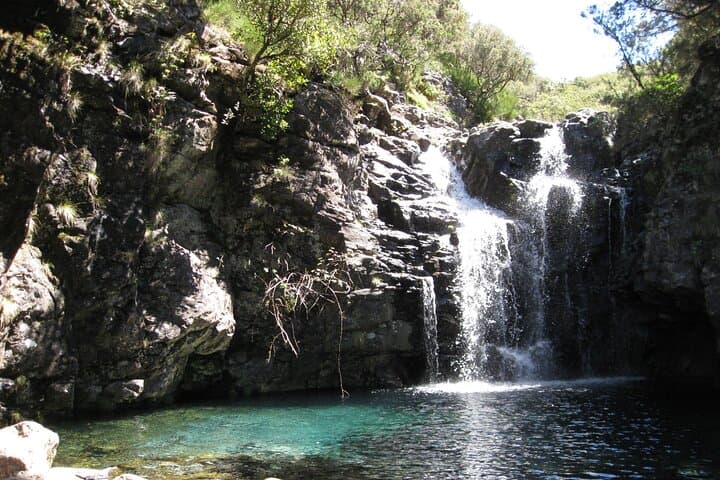
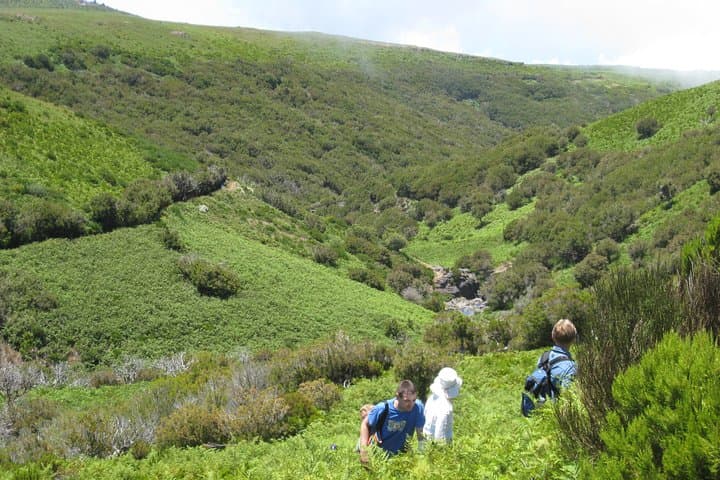
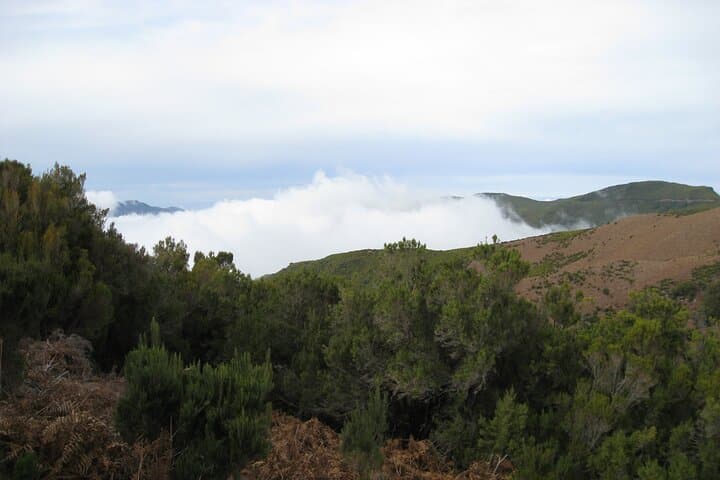
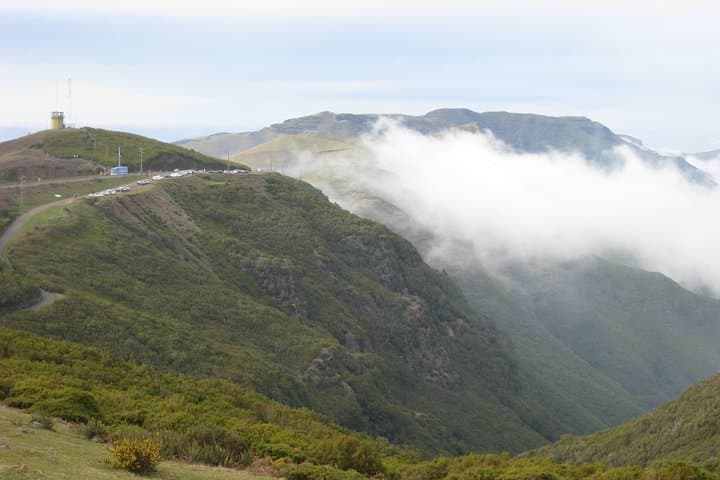
The trail opens with the smell of wet laurel and the steady whisper of mountain water. You start low among levada channels—flat, engineered ribbons carrying life—then climb into a valley where rock pools have been carved over millennia, their clear bowls daring you to cool off. Light breaks through high canopy and the wind from the plateau brushes across the water, pushing the spray toward the cliffs.
The trail opens with the smell of wet laurel and the steady whisper of mountain water. You start low among levada channels—flat, engineered ribbons carrying life—then climb into a valley where rock pools have been carved over millennia, their clear bowls daring you to cool off. Light breaks through high canopy and the wind from the plateau brushes across the water, pushing the spray toward the cliffs.
Madeira's levadas date to the 16th century, built to carry irrigation from the rainy interior toward coastal farms. Geologically the west plateau is ancient basalt shaped by lava flows and later sculpted by persistent streams; the pools and cascades are slow architecture, hollowed by grit and time. Culturally, these paths stitched remote hamlets to fields and remain central to island hiking culture—locals trained as guides blend natural history with practical stories of shepherding and water management.
Expect a variety of terrain: smooth levada beds, root-strewn forest tracks, and short scrambling sections to reach the oldest western levada. In summer you can swim in rock pools; in cooler months the water is brisk but invigorating. Guides provide context on flora like Madeira laurel and endemic heathers and point out nesting seabirds on distant cliffs.
Practical notes: moderate fitness required, roughly 3–4 hours on the move with some uneven footing and elevation gain. Wear grippy shoes, bring layered rain protection, at least 1–2 liters of water, and a small first-aid kit. Start early to avoid midday sun and to enjoy calmer water for photos. Respect closed sections and stay with the group—the levadas can be narrow and slippery after rain.