THE ADVENTURE COLLECTIVE® · Independent discovery and booking for outdoor travel

Cross the bay to Alcatraz with official ferry admission and an exclusive companion audio guide that expands the Cellhouse narration. Choose a daytime visit or a rarer night tour for a quieter, more intimate look at the island’s history and hidden corners.
Cross the bay to Alcatraz with official ferry admission and an exclusive companion audio guide that expands the Cellhouse narration. Choose a daytime visit or a rarer night tour for a quieter, more intimate look at the island’s history and hidden corners.
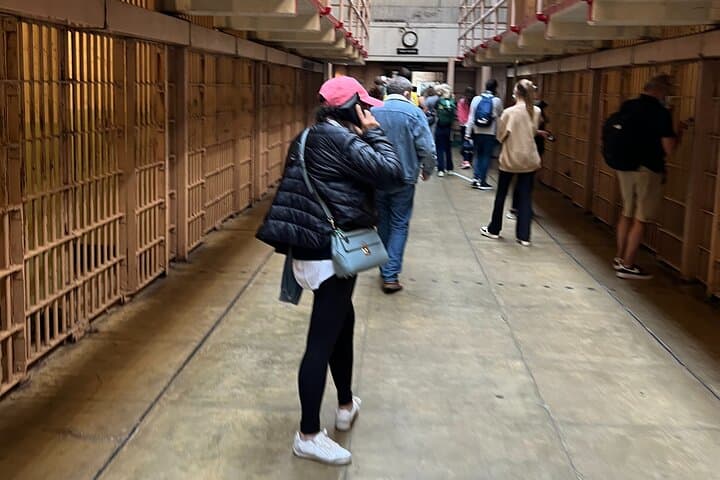
The ferry cuts through a cool, salty fog as San Francisco slips behind you and Alcatraz Island grows from a dark silhouette into a block of stone and iron. The ride across the roughly 1.25-mile bay feels like a breath held between city and island; gulls wheel and currents nudge the hull as you approach the dock. On arrival, the island’s wind pushes at you—literal and historical—pulling visitors up toward the Cellhouse and the audio narration that fills the walk.
Verified experiences and guided adventures in the surrounding area.
Operated by Must See - Alcatraz tours / Muir Woods and Sausalito tours · San Francisco, California
The ferry cuts through a cool, salty fog as San Francisco slips behind you and Alcatraz Island grows from a dark silhouette into a block of stone and iron. The ride across the roughly 1.25-mile bay feels like a breath held between city and island; gulls wheel and currents nudge the hull as you approach the dock. On arrival, the island’s wind pushes at you—literal and historical—pulling visitors up toward the Cellhouse and the audio narration that fills the walk.
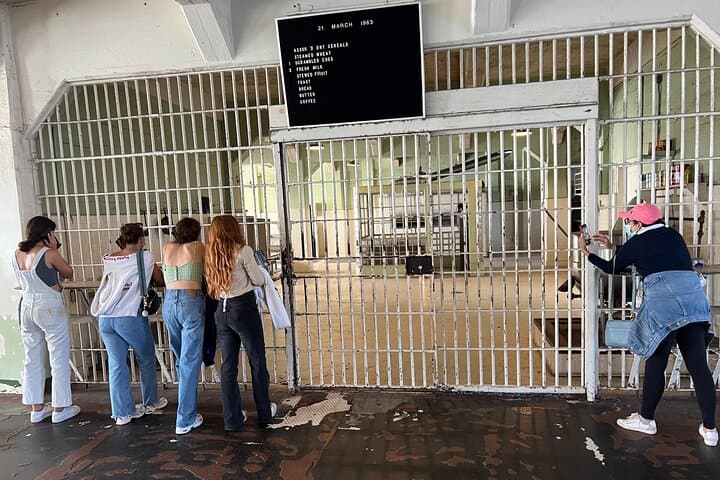
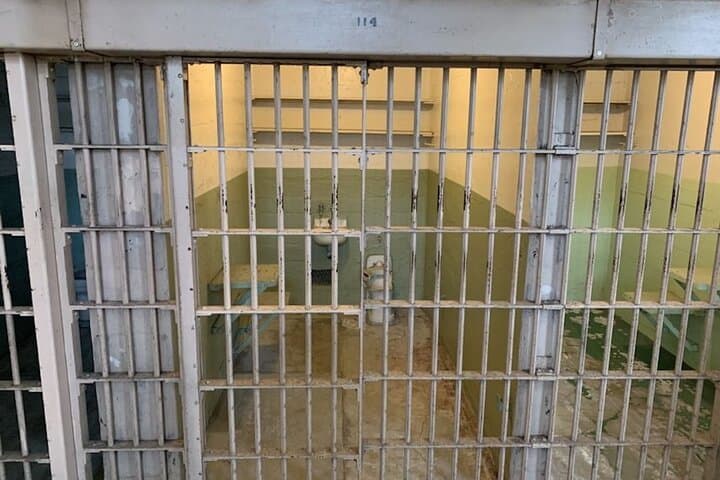
Alcatraz’s story spans geology, incarceration, and protest: a layered volcanic outcrop reinforced with concrete, used as a Civil War-era fort, a federal penitentiary from 1934–1963, and later the site of the Native American occupation of 1969–1971. The island’s gardens and ruins trace those epochs; ranger introductions and the official Cellhouse audio weave the facts with lived voices. At night the place becomes quieter and sharply lit, revealing details missed in daytime crowds.
Practically, the experience is self-guided once ashore. Expect an uphill walk from the dock to the Cellhouse—roughly 30–45 m of elevation—on paved and uneven surfaces with stone steps. Bring headphones for the companion audio, a windproof layer for bay breezes, and water; night tours require arriving early to check in and are not available Sundays or Mondays. Boarding begins 15 minutes before departure; tickets, including round-trip ferry and official admission, are sent by email. Follow park rules, stick to marked paths, and leave time to explore the gardens and overlooks—the island rewards slow attention.
easy.
2–4 hours.
Suitable for most fitness levels; you'll climb a steeper paved section and stand during the ferry and audio tour.
Night tours run on selected evenings and are not available Sundays and Mondays; choose the night option at booking if offered for your date.
No—your mobile QR code emailed before the tour is acceptable; bring a fully charged phone to display it.
Alcatraz and the ferry offer wheelchair-accessible routes, but some historic areas include stairs and uneven surfaces—contact the park for specific accommodations.
Yes—your ferry ticket is round-trip; you can explore the grounds and gardens until the scheduled return ferry departs.
Alcatraz served as a federal penitentiary (1934–1963) and later drew international attention during the 1969–1971 Native American occupation, both of which shaped its preservation and interpretation.
The island is managed as part of the Golden Gate National Recreation Area; visitors must stay on designated paths to protect nesting birds and fragile historic plantings.
Must See - Alcatraz tours / Muir Woods and Sausalito tours operates guided outdoor trips and adventures with an emphasis on safety, stewardship, and memorable experiences.
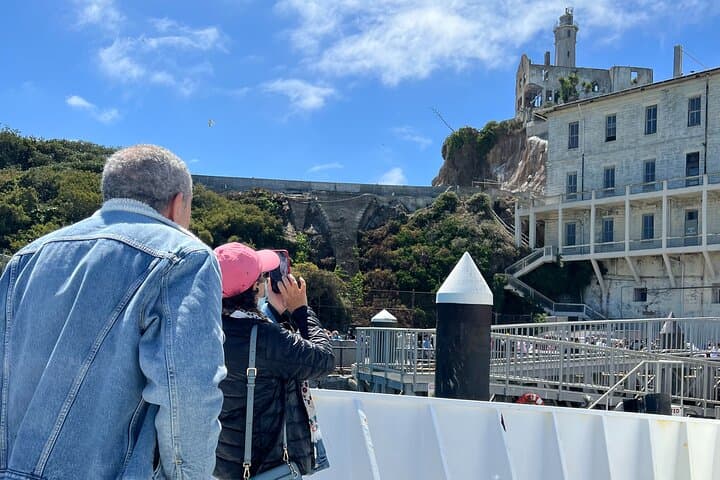
The ferry cuts through a cool, salty fog as San Francisco slips behind you and Alcatraz Island grows from a dark silhouette into a block of stone and iron. The ride across the roughly 1.25-mile bay feels like a breath held between city and island; gulls wheel and currents nudge the hull as you approach the dock. On arrival, the island’s wind pushes at you—literal and historical—pulling visitors up toward the Cellhouse and the audio narration that fills the walk.
The ferry cuts through a cool, salty fog as San Francisco slips behind you and Alcatraz Island grows from a dark silhouette into a block of stone and iron. The ride across the roughly 1.25-mile bay feels like a breath held between city and island; gulls wheel and currents nudge the hull as you approach the dock. On arrival, the island’s wind pushes at you—literal and historical—pulling visitors up toward the Cellhouse and the audio narration that fills the walk.
Alcatraz’s story spans geology, incarceration, and protest: a layered volcanic outcrop reinforced with concrete, used as a Civil War-era fort, a federal penitentiary from 1934–1963, and later the site of the Native American occupation of 1969–1971. The island’s gardens and ruins trace those epochs; ranger introductions and the official Cellhouse audio weave the facts with lived voices. At night the place becomes quieter and sharply lit, revealing details missed in daytime crowds.
Practically, the experience is self-guided once ashore. Expect an uphill walk from the dock to the Cellhouse—roughly 30–45 m of elevation—on paved and uneven surfaces with stone steps. Bring headphones for the companion audio, a windproof layer for bay breezes, and water; night tours require arriving early to check in and are not available Sundays or Mondays. Boarding begins 15 minutes before departure; tickets, including round-trip ferry and official admission, are sent by email. Follow park rules, stick to marked paths, and leave time to explore the gardens and overlooks—the island rewards slow attention.