THE ADVENTURE COLLECTIVE® · Independent discovery and booking for outdoor travel

Ride the Sandia Peak Tram to 10,300 ft and trade city heat for bright alpine air. This guided snowshoe tour blends easy-to-moderate terrain, natural-history storytelling, and hot cocoa at a scenic pit stop.
Ride the Sandia Peak Tram to 10,300 ft and trade city heat for bright alpine air. This guided snowshoe tour blends easy-to-moderate terrain, natural-history storytelling, and hot cocoa at a scenic pit stop.
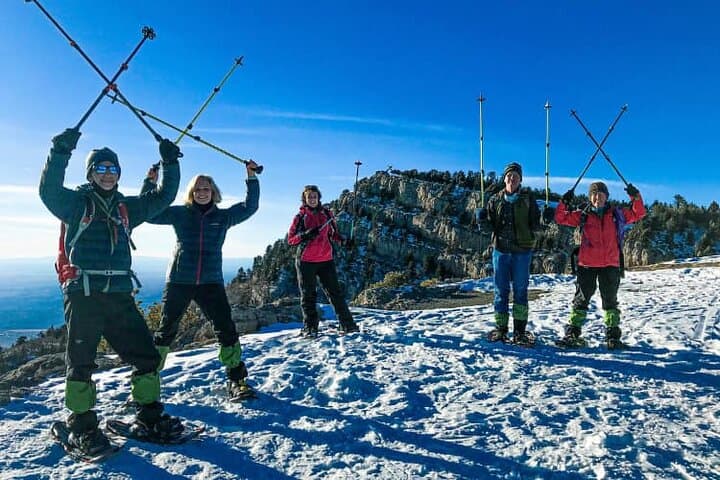
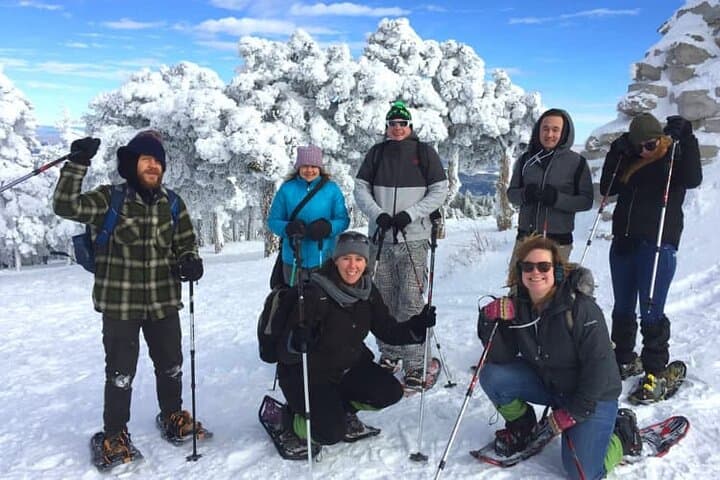
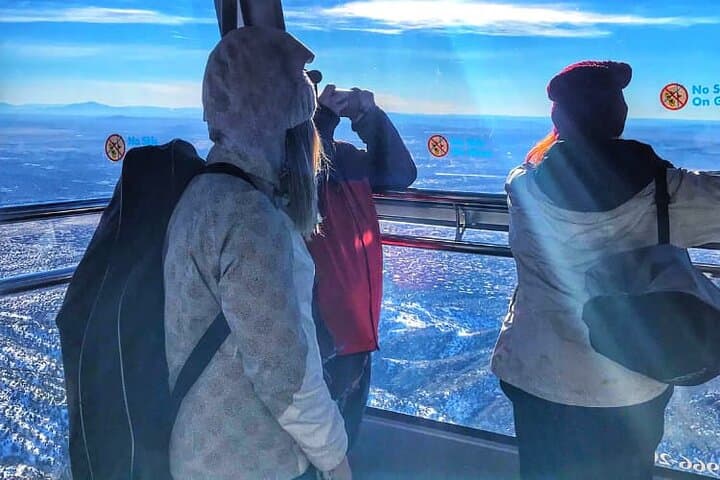
A cold breath of wind meets the Tram as it climbs—glass windows framing Albuquerque shrinking below while peaks push into the sky. At roughly 10,300 feet you step out into a bright, quiet world: a forest of ponderosa and fir, trail breaks tracked by small mammals, and acres of clean snow that demand patient footwork rather than haste.
Verified experiences and guided adventures in the surrounding area.
Operated by Routes Bicycle Tours & Rentals · Albuquerque, New Mexico
A cold breath of wind meets the Tram as it climbs—glass windows framing Albuquerque shrinking below while peaks push into the sky. At roughly 10,300 feet you step out into a bright, quiet world: a forest of ponderosa and fir, trail breaks tracked by small mammals, and acres of clean snow that demand patient footwork rather than haste.
Sandia Peak sits on the eastern edge of the Rio Grande valley; the rocks are part of an uplifted sand- and limestone sequence folded and faulted by tectonic forces millions of years ago. The Tramway itself, opened in 1966, made the high country accessible for recreation, and local guides use that access to share both natural history and Tewa and Hispano ties to the mountains.
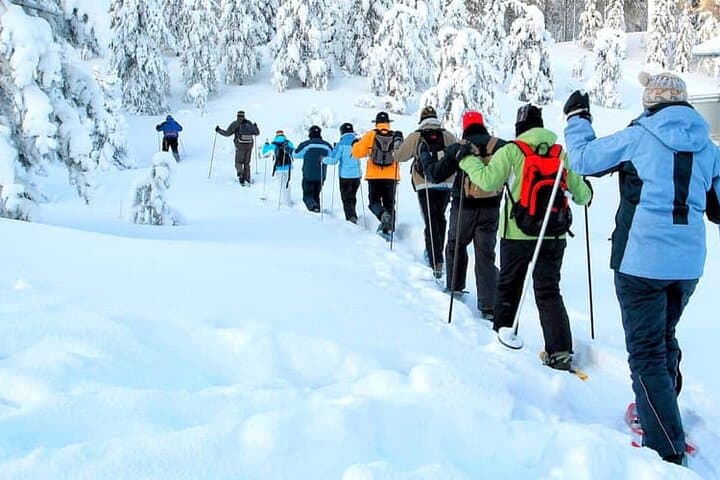
The route typically follows packed trails and gentle ridgelines rather than steep alpine climbs—expect 2–4 miles of snowshoeing with short ascents and exposed viewpoints, often around a few hundred feet of elevation change from the tram summit footpaths. Terrain alternates between shaded forest tracks and wind-scoured open shelves where the views take over.
Practical guidance: dress in layers, carry water and sunscreen, and let guides know about altitude or heart concerns—trips include snowshoe and pole rentals, bottled water, snacks, hot cocoa, and round-trip Tram tickets. Aim for morning departures for crisper snow and clearer vistas; late afternoons bring shadowed slopes and stiffer wind. If you’ve never snowshoed, this guided tour is designed to teach basic technique while delivering steady pace, natural-history insight, and manageable winter adventure.
moderate.
4–5 hours.
Moderate aerobic fitness—able to walk 2–4 miles on snow with short steady climbs; some prior winter hiking experience helpful but not required.
No—guides provide instruction on snowshoe use, pacing, and safety; tours are designed for beginners to intermediate winter walkers.
Round-trip Sandia Peak Tram tickets, snowshoe and pole rentals, snow gaiters, bottled water, snacks, hot cocoa, parking and guided interpretation are included.
The tour notes it’s suitable for most fitness levels but is not recommended for those with serious heart conditions; check age and weight restrictions at booking and inform guides of any medical concerns.
Hydrate well the day before, avoid heavy alcohol, pace yourself on the trail, and tell guides if you feel lightheaded or short of breath; they can modify the route or return to the tram early.
The Sandia Peak Tramway opened in 1966 and transformed access to the Sandia Crest; the mountains also hold long-standing significance for Pueblo and Hispano communities as hunting and seasonal gathering ground.
Snowshoe groups are encouraged to stay on packed routes to protect fragile alpine vegetation; follow Leave No Trace principles and pack out waste to minimize winter impact.
Routes Bicycle Tours & Rentals operates guided outdoor trips and adventures with an emphasis on safety, stewardship, and memorable experiences.
A cold breath of wind meets the Tram as it climbs—glass windows framing Albuquerque shrinking below while peaks push into the sky. At roughly 10,300 feet you step out into a bright, quiet world: a forest of ponderosa and fir, trail breaks tracked by small mammals, and acres of clean snow that demand patient footwork rather than haste.
A cold breath of wind meets the Tram as it climbs—glass windows framing Albuquerque shrinking below while peaks push into the sky. At roughly 10,300 feet you step out into a bright, quiet world: a forest of ponderosa and fir, trail breaks tracked by small mammals, and acres of clean snow that demand patient footwork rather than haste.
Sandia Peak sits on the eastern edge of the Rio Grande valley; the rocks are part of an uplifted sand- and limestone sequence folded and faulted by tectonic forces millions of years ago. The Tramway itself, opened in 1966, made the high country accessible for recreation, and local guides use that access to share both natural history and Tewa and Hispano ties to the mountains.
The route typically follows packed trails and gentle ridgelines rather than steep alpine climbs—expect 2–4 miles of snowshoeing with short ascents and exposed viewpoints, often around a few hundred feet of elevation change from the tram summit footpaths. Terrain alternates between shaded forest tracks and wind-scoured open shelves where the views take over.
Practical guidance: dress in layers, carry water and sunscreen, and let guides know about altitude or heart concerns—trips include snowshoe and pole rentals, bottled water, snacks, hot cocoa, and round-trip Tram tickets. Aim for morning departures for crisper snow and clearer vistas; late afternoons bring shadowed slopes and stiffer wind. If you’ve never snowshoed, this guided tour is designed to teach basic technique while delivering steady pace, natural-history insight, and manageable winter adventure.