THE ADVENTURE COLLECTIVE® · Independent discovery and booking for outdoor travel

Explore Albufera Natural Park by boat, learn about traditional rice farming and end with an authentic paella in El Palmar. Expect shallow lagoon birdwatching, reed-fringed canals and a cultural primer on Valencian rice.
Explore Albufera Natural Park by boat, learn about traditional rice farming and end with an authentic paella in El Palmar. Expect shallow lagoon birdwatching, reed-fringed canals and a cultural primer on Valencian rice.
A low sun skirts across the lagoon and the reed beds move like an audience as your boat slips from the dock—this is Albufera, where water, rice and birds shape the day.
Verified experiences and guided adventures in the surrounding area.
Operated by Integra-T Experience · El Palmar, Valencian Community
A low sun skirts across the lagoon and the reed beds move like an audience as your boat slips from the dock—this is Albufera, where water, rice and birds shape the day.
You start on a road that opens onto wide, flat rice fields: paddies stagger into the distance, channels cutting them into bright green rectangles in season. The park’s shallow lagoon formed behind a sandbar as the Mediterranean shifted, creating the freshwater marshes that have fed Valencian communities for centuries. In the visitor center guides outline the human story: traditional irrigation, the small "barracas" farmhouses, and the seasonal rhythms that produce the rice used in paella.
Birdlife is the draw—flamingos, egrets and herons often patrol the shallows; dabbling ducks and reed warblers pick the margins. From the boardwalk or the small motorized boat at El Palmar, the lagoon feels alive—currents and tides nudging waterfowl into the open.
After the boat ride you’ll learn about rice cultivation, see the barracas, and finish with a paella that highlights the local grain and seafood. The meal is practical culture: a way to taste landscape.
Plan for sun, wind off the water, and flat walking on soft soils. Bring a lens or binoculars, wear closed shoes that can handle damp boardwalks, and time your visit for early morning or late afternoon light when birds are most active. The tour runs about 5–6 hours and is suitable for most fitness levels—an accessible day that combines nature, local history and one of Spain’s signature dishes.
easy.
5–6 hours.
Suitable for most fitness levels; involves short walks on flat, sometimes muddy surfaces and a brief boat ride.
The full experience runs about 5–6 hours and typically includes transportation from Valencia, a visitor center stop, a boat ride and lunch.
Sightings depend on season and conditions—herons and egrets are common, flamingos appear regularly but aren’t guaranteed on every departure.
The boat is small and transfers require stepping on and off a dock; it’s generally family-friendly but may be awkward for limited mobility—check in advance for assistance options.
Most operators can accommodate common dietary requests if informed at booking—notify the provider of allergies or preferences ahead of time.
Albufera has long been a managed wetland tied to Valencian agriculture; its irrigation systems and barracas date back centuries and supported the regional rice economy.
The park is protected and visitor flows are managed; stick to paths and avoid disturbing nesting areas—local guides help minimize boat noise and habitat impact.
Integra-T Experience operates guided outdoor trips and adventures with an emphasis on safety, stewardship, and memorable experiences.


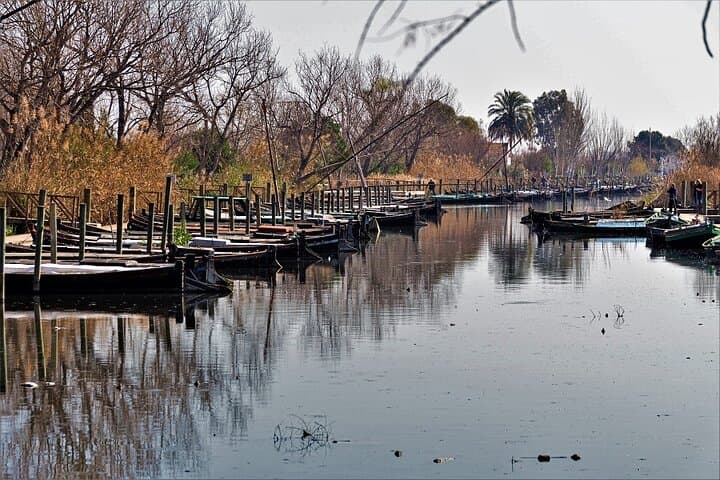
A low sun skirts across the lagoon and the reed beds move like an audience as your boat slips from the dock—this is Albufera, where water, rice and birds shape the day.
A low sun skirts across the lagoon and the reed beds move like an audience as your boat slips from the dock—this is Albufera, where water, rice and birds shape the day.
You start on a road that opens onto wide, flat rice fields: paddies stagger into the distance, channels cutting them into bright green rectangles in season. The park’s shallow lagoon formed behind a sandbar as the Mediterranean shifted, creating the freshwater marshes that have fed Valencian communities for centuries. In the visitor center guides outline the human story: traditional irrigation, the small "barracas" farmhouses, and the seasonal rhythms that produce the rice used in paella.
Birdlife is the draw—flamingos, egrets and herons often patrol the shallows; dabbling ducks and reed warblers pick the margins. From the boardwalk or the small motorized boat at El Palmar, the lagoon feels alive—currents and tides nudging waterfowl into the open.
After the boat ride you’ll learn about rice cultivation, see the barracas, and finish with a paella that highlights the local grain and seafood. The meal is practical culture: a way to taste landscape.
Plan for sun, wind off the water, and flat walking on soft soils. Bring a lens or binoculars, wear closed shoes that can handle damp boardwalks, and time your visit for early morning or late afternoon light when birds are most active. The tour runs about 5–6 hours and is suitable for most fitness levels—an accessible day that combines nature, local history and one of Spain’s signature dishes.