THE ADVENTURE COLLECTIVE® · Independent discovery and booking for outdoor travel

Leave the tourist circuit for a private two-hour walk into Bosco Selva, where trulli and dry-stone walls reveal their practical origins. This guided route pairs geology, traditional construction, and low-traffic woodland for an intimate look at rural Apulia.
Leave the tourist circuit for a private two-hour walk into Bosco Selva, where trulli and dry-stone walls reveal their practical origins. This guided route pairs geology, traditional construction, and low-traffic woodland for an intimate look at rural Apulia.
You step off the busy piazza and into a quieter world: olive-scented wind, scrubland stones warm from the sun, and cone-roofed trulli glimpsed through holm oaks. The private two-hour walk begins in the undeveloped edges of Alberobello—Bosco Selva—where the last rural houses sat more than a century ago and where the building methods that made trulli possible still read plainly in the landscape.
Verified experiences and guided adventures in the surrounding area.
Operated by A.I.LoveTourism · Alberobello, Apulia (Puglia)
You step off the busy piazza and into a quieter world: olive-scented wind, scrubland stones warm from the sun, and cone-roofed trulli glimpsed through holm oaks. The private two-hour walk begins in the undeveloped edges of Alberobello—Bosco Selva—where the last rural houses sat more than a century ago and where the building methods that made trulli possible still read plainly in the landscape.
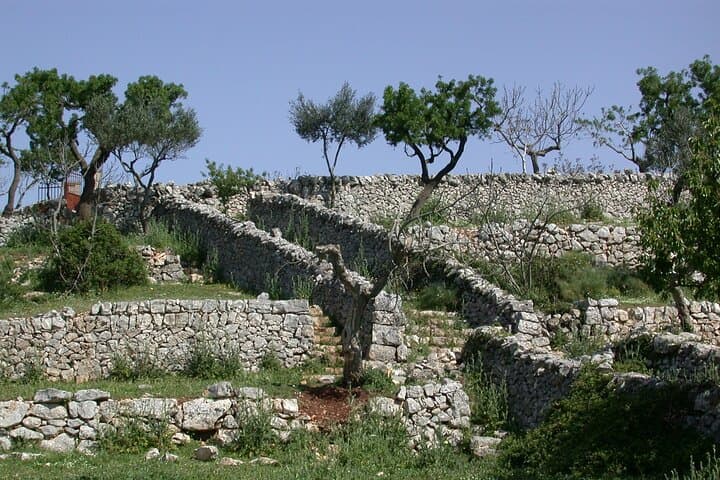
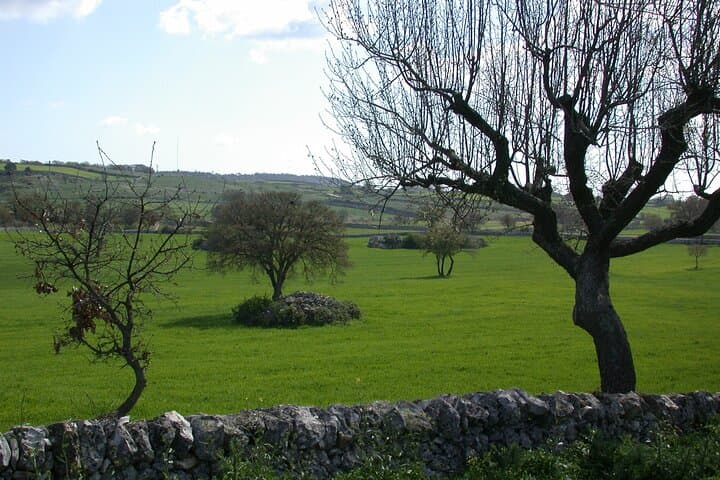
This is a tour of materials as much as monuments. Apulian limestone and hand-laid dry stone walls meet ancient oak stands; the geology of karst terrain supplied the rocks, while centuries of subsistence farming shaped the architecture. Guides explain how communities used mortar-free construction to avoid taxes and adapt to scarce resources, and why masserie (farmhouses) and field boundaries vary between Alberobello proper and neighboring Martina Franca.
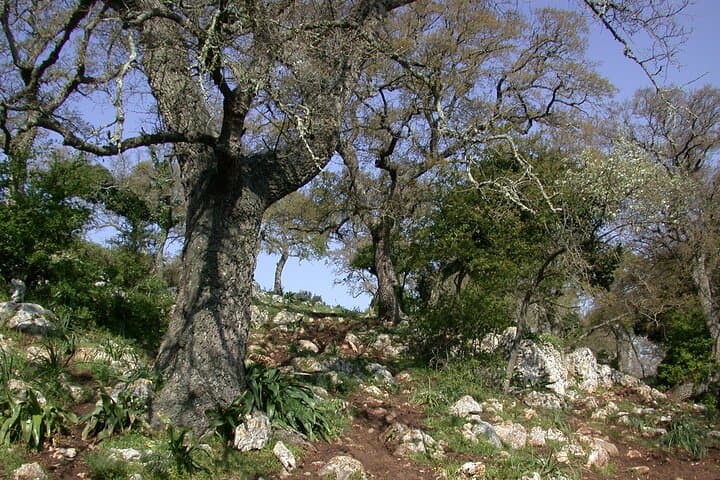
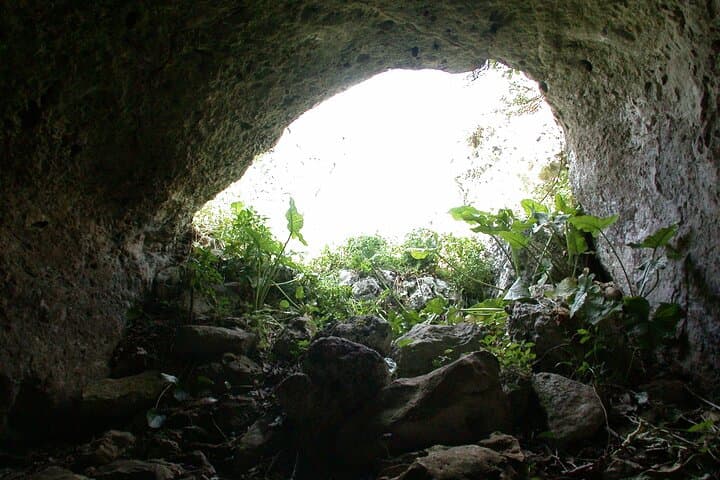
Expect quieter lanes, scattered farmsteads like Masseria Mangiato and Zippitello, and lesser-seen trulli whose shapes and stonework differ from the polished tourist core. The route moves at an easy pace, with stops to examine wall techniques, local tree species, and a karst geosite tucked into the wood.
Practical notes: bring sturdy shoes for uneven limestone and trails, a hat and water (an energy bar and bottle are provided at the start), and a light layer for coastal breezes. The private format keeps groups small and the tone conversational—ideal for travelers who want context with their photos and prefer the quieter side of Apulia’s dry-stone heritage.
easy.
2 hours.
Suitable for most fitness levels—short walking sections on uneven ground require steady balance and light stamina
The meeting point is typically at the edge of Alberobello near Bosco Selva; exact pickup details are provided on booking confirmation.
Yes—this is an easy, low-intensity walk, but participants should be able to manage short uneven sections; infants must sit on laps.
This tour focuses on outdoor observation and the surrounding countryside; specific indoor admissions are not included.
Service animals are allowed; notify the guide at booking so the route can be adjusted if needed.
Trulli and dry-stone techniques emerged from medieval subsistence economies and local tax laws; the region’s karst limestone made mortar-free building practical and durable.
Walking small-group routes helps limit wear on sensitive karst surfaces and agricultural land; stay on established paths and avoid removing stones or plants.
A.I.LoveTourism operates guided outdoor trips and adventures with an emphasis on safety, stewardship, and memorable experiences.
You step off the busy piazza and into a quieter world: olive-scented wind, scrubland stones warm from the sun, and cone-roofed trulli glimpsed through holm oaks. The private two-hour walk begins in the undeveloped edges of Alberobello—Bosco Selva—where the last rural houses sat more than a century ago and where the building methods that made trulli possible still read plainly in the landscape.
You step off the busy piazza and into a quieter world: olive-scented wind, scrubland stones warm from the sun, and cone-roofed trulli glimpsed through holm oaks. The private two-hour walk begins in the undeveloped edges of Alberobello—Bosco Selva—where the last rural houses sat more than a century ago and where the building methods that made trulli possible still read plainly in the landscape.
This is a tour of materials as much as monuments. Apulian limestone and hand-laid dry stone walls meet ancient oak stands; the geology of karst terrain supplied the rocks, while centuries of subsistence farming shaped the architecture. Guides explain how communities used mortar-free construction to avoid taxes and adapt to scarce resources, and why masserie (farmhouses) and field boundaries vary between Alberobello proper and neighboring Martina Franca.
Expect quieter lanes, scattered farmsteads like Masseria Mangiato and Zippitello, and lesser-seen trulli whose shapes and stonework differ from the polished tourist core. The route moves at an easy pace, with stops to examine wall techniques, local tree species, and a karst geosite tucked into the wood.
Practical notes: bring sturdy shoes for uneven limestone and trails, a hat and water (an energy bar and bottle are provided at the start), and a light layer for coastal breezes. The private format keeps groups small and the tone conversational—ideal for travelers who want context with their photos and prefer the quieter side of Apulia’s dry-stone heritage.