THE ADVENTURE COLLECTIVE® · Independent discovery and booking for outdoor travel

Walk beyond the postcard alleyways of Alberobello to find remote trulli, panoramic viewpoints and unexpected rural details. This 1–2 hour urban-natural trail blends architecture, local history, and hands-on photography tips for memorable images.
Walk beyond the postcard alleyways of Alberobello to find remote trulli, panoramic viewpoints and unexpected rural details. This 1–2 hour urban-natural trail blends architecture, local history, and hands-on photography tips for memorable images.
Morning light falls across whitewashed stone cones as walkers thread narrow lanes between trulli; the roofs catch the sun and the air smells faintly of olive oil and earth. This urban-natural route pushes past the postcard cluster into less visited contrade where lone trulli sit among vineyards and gnarled olive trees, offering both bird’s-eye panoramas and intimate architectural detail.
Verified experiences and guided adventures in the surrounding area.
Operated by A.I.LoveTourism · Alberobello, Apulia
Morning light falls across whitewashed stone cones as walkers thread narrow lanes between trulli; the roofs catch the sun and the air smells faintly of olive oil and earth. This urban-natural route pushes past the postcard cluster into less visited contrade where lone trulli sit among vineyards and gnarled olive trees, offering both bird’s-eye panoramas and intimate architectural detail.
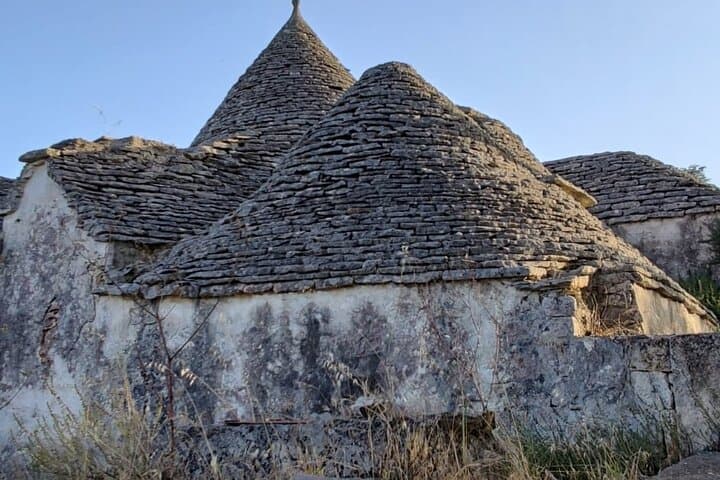
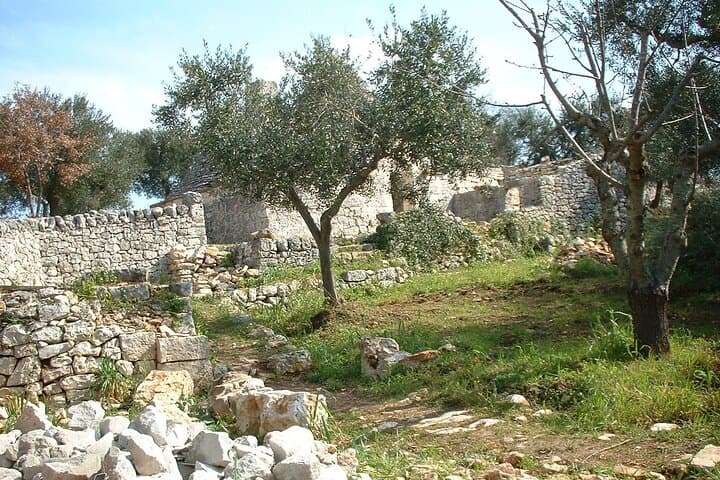
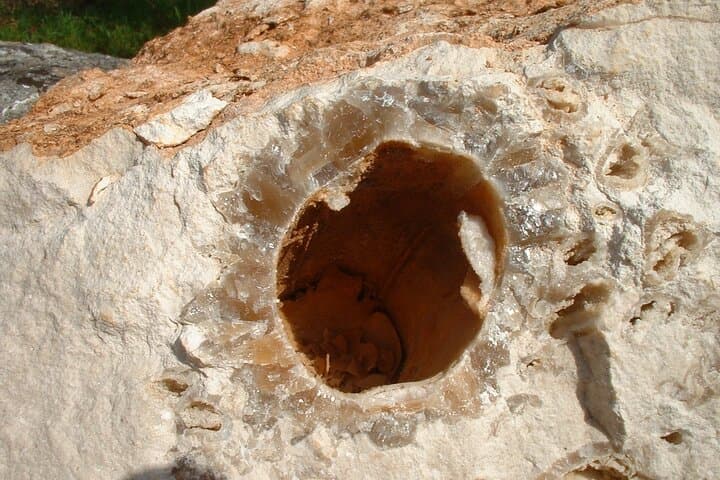
The trulli are dry-stone dwellings built with local limestone, their conical roofs and symbolic pinnacles rooted in centuries of Apulian rural craft. The walk crosses ground shaped by karst geology—shallow soils over compact rock—so olive groves and low scrub dominate. Local culture here blends smallholder farming, craft traditions and festas that mark harvest and saint days; guides commonly weave these stories into the route.
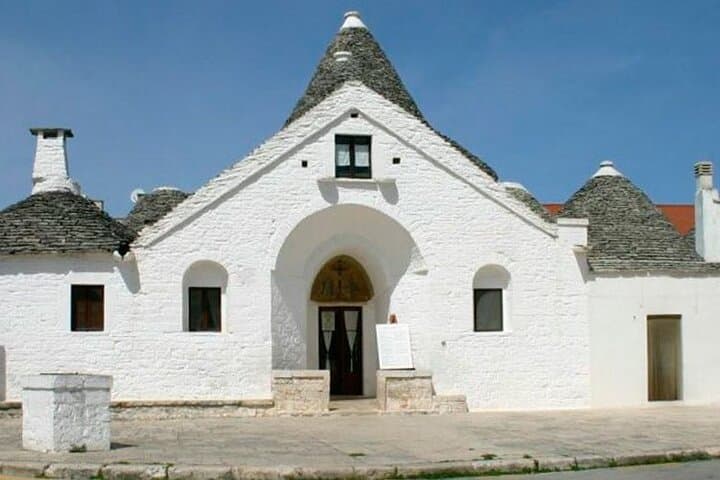
Expect a mix of paved alleys and compact dirt tracks with gentle climbs to viewpoints such as Monte del Sale. The Trullo Sovrano—one of the few two-floor examples—appears as a focal stop and provides historical context about architecture and land tenure in the Itria Valley.
Plan for 1–2 hours on foot, with sun and wind as the main elements to manage. Wear supportive shoes for uneven stone, bring a 500ml water bottle (included on this tour), and time your visit for morning or late afternoon to avoid peak heat and crowds. Photography is central: look for low-angle light, roof symbols, and agricultural edges where trulli meet vineyard rows. The route suits most walkers and rewards careful observation with images and insights different from the usual tourist circuit.
easy.
1–2 hours.
Suitable for most fitness levels; involves low, steady walking with short gentle climbs
The tour lists wheelchair and stroller accessibility; however some historic alleys have irregular stone and short slopes—check with the operator about specific mobility needs.
This is offered as a private tour to the booking party; confirm group size and start time at booking.
The itinerary notes an admission stop at the Trullo Sovrano—confirm whether entrance is covered when you book.
Language options vary by operator; check the booking page or contact the provider to confirm guide language.
Trulli are a local building form dating to medieval and early modern periods; their dry-stone construction and symbolic roof markings relate to tax avoidance strategies and regional craftsmanship.
The Itria Valley balances tourism with active agriculture; visitors are encouraged to stick to paths, avoid littering and support local artisans and producers to sustain communities.
A.I.LoveTourism operates guided outdoor trips and adventures with an emphasis on safety, stewardship, and memorable experiences.
Morning light falls across whitewashed stone cones as walkers thread narrow lanes between trulli; the roofs catch the sun and the air smells faintly of olive oil and earth. This urban-natural route pushes past the postcard cluster into less visited contrade where lone trulli sit among vineyards and gnarled olive trees, offering both bird’s-eye panoramas and intimate architectural detail.
Morning light falls across whitewashed stone cones as walkers thread narrow lanes between trulli; the roofs catch the sun and the air smells faintly of olive oil and earth. This urban-natural route pushes past the postcard cluster into less visited contrade where lone trulli sit among vineyards and gnarled olive trees, offering both bird’s-eye panoramas and intimate architectural detail.
The trulli are dry-stone dwellings built with local limestone, their conical roofs and symbolic pinnacles rooted in centuries of Apulian rural craft. The walk crosses ground shaped by karst geology—shallow soils over compact rock—so olive groves and low scrub dominate. Local culture here blends smallholder farming, craft traditions and festas that mark harvest and saint days; guides commonly weave these stories into the route.
Expect a mix of paved alleys and compact dirt tracks with gentle climbs to viewpoints such as Monte del Sale. The Trullo Sovrano—one of the few two-floor examples—appears as a focal stop and provides historical context about architecture and land tenure in the Itria Valley.
Plan for 1–2 hours on foot, with sun and wind as the main elements to manage. Wear supportive shoes for uneven stone, bring a 500ml water bottle (included on this tour), and time your visit for morning or late afternoon to avoid peak heat and crowds. Photography is central: look for low-angle light, roof symbols, and agricultural edges where trulli meet vineyard rows. The route suits most walkers and rewards careful observation with images and insights different from the usual tourist circuit.