THE ADVENTURE COLLECTIVE® · Independent discovery and booking for outdoor travel

Walk narrow lanes of cone-roofed trulli in Alberobello and circle the whitewashed terraces of Locorotondo on a compact day trip from Bari. This small-group tour pairs architecture, a trullo interior visit, and local tastings with easy walking and air-conditioned transport.
Walk narrow lanes of cone-roofed trulli in Alberobello and circle the whitewashed terraces of Locorotondo on a compact day trip from Bari. This small-group tour pairs architecture, a trullo interior visit, and local tastings with easy walking and air-conditioned transport.
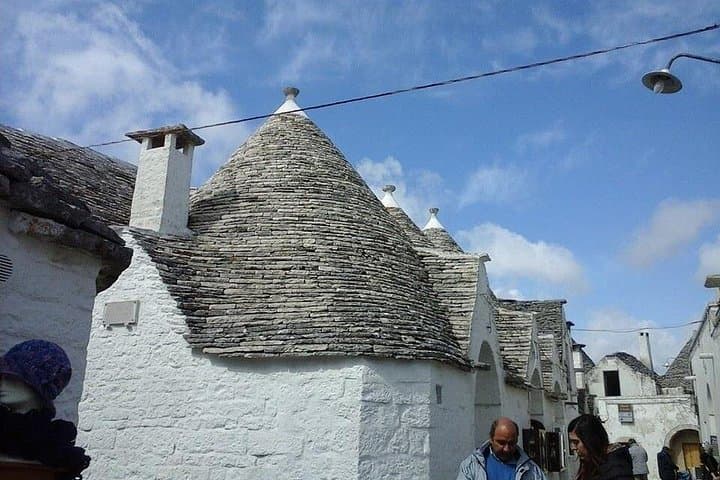
You step out of the minivan and the world narrows to white stone cones: trulli roofs rise like stacked rings against a bright Apulian sky. The air carries olive and lemon trees, and the compact alleys of Alberobello funnel your attention toward hand-built drystone domes that once solved taxes and shelter alike.
Verified experiences and guided adventures in the surrounding area.
Operated by Puglia tour guide services di Vito Maurogiovanni · Alberobello, Puglia
You step out of the minivan and the world narrows to white stone cones: trulli roofs rise like stacked rings against a bright Apulian sky. The air carries olive and lemon trees, and the compact alleys of Alberobello funnel your attention toward hand-built drystone domes that once solved taxes and shelter alike.
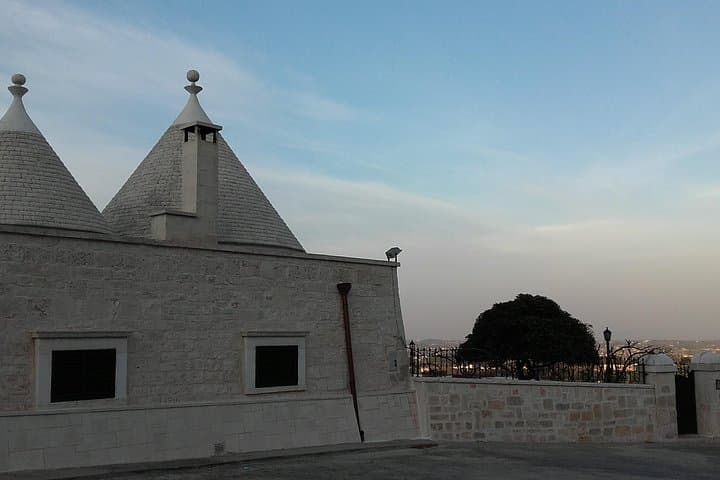
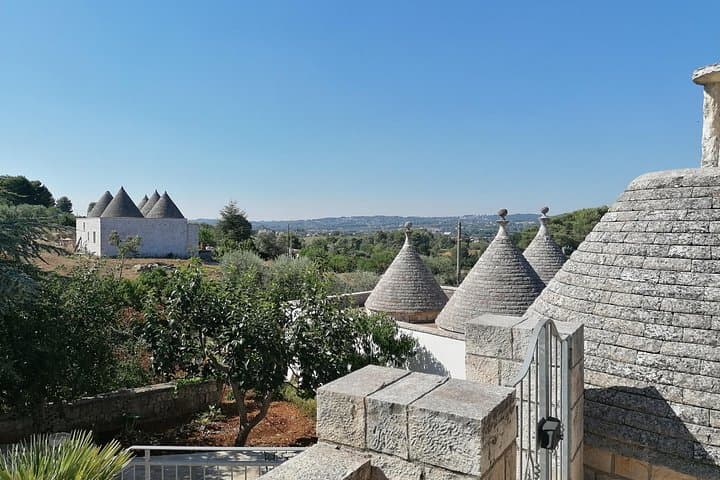
These cone houses are a local engineering answer to limestone-rich terrain and medieval fiscal rules — dry-stone construction with no mortar. Alberobello’s Rione Monti and Aia Piccola districts preserve rows of trulli, crowned with symbolic pinnacles and painted emblems. Nearby Locorotondo sits on a circular ridge above the Itria Valley; its whitewashed facades and calcareous soil reflect centuries of vineyard agriculture and peasant traditions.
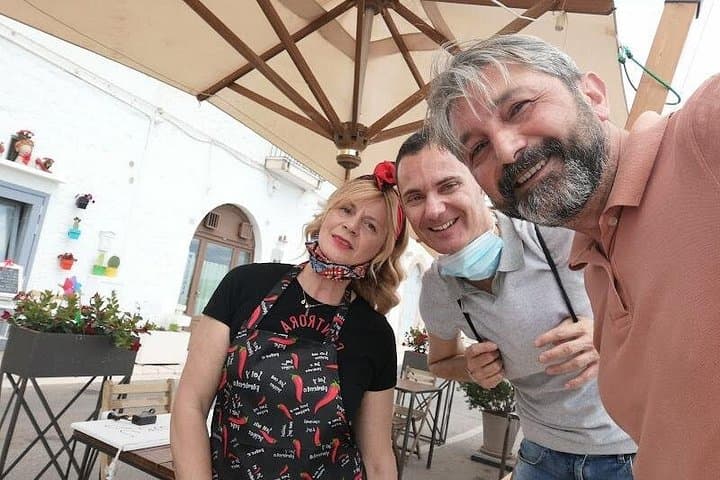
Geology here is karst: porous limestone that shaped terraces, cisterns and that distinctive light. Culture arrives in the form of slow food—local bread, orecchiette, capocollo—and a tasting inside a restored trullo links architecture to everyday life.
Practicalities: this five-hour shared excursion runs from Bari (or Brindisi), uses an air-conditioned vehicle, and accommodates small groups (up to eight). Expect easy, mostly flat walking on cobbles and occasional steps; bring sturdy shoes for uneven thresholds. The tour includes visits inside selected trulli and a tasting stop; entry is arranged for specified sites.
Plan mornings or late afternoons to avoid peak sun. Carry water, respect private interiors (many trulli are still homes), and leave space for locals: these villages are lived-in places as much as heritage sites.
easy.
5 hours.
Suitable for most travelers who can walk 1–3 miles on uneven cobbles and climb a few short steps.
The tour is approximately five hours and includes guided visits to Alberobello’s trulli districts and a stop in Locorotondo, with a trullo interior visit and tasting included for selected sites.
Walking is generally easy but involves uneven cobbles and some steps; strollers are possible in parts but not on narrow alleys—suitable for most children who can walk short distances.
The itinerary lists specific visits and a tasting as included—your booking confirms which trulli visits are covered and any included admissions.
Tours typically offer pickup from central Bari or Brindisi ports and require you to specify pickup details when booking—confirm your pickup point in advance.
Trulli developed from local dry-stone techniques; clusters in Alberobello earned UNESCO status in 1996 for their unique vernacular architecture.
High visitor numbers can strain tiny streets—stick to marked routes, support local artisans, and avoid touching fragile stonework to help preserve these living heritage sites.
Puglia tour guide services di Vito Maurogiovanni operates guided outdoor trips and adventures with an emphasis on safety, stewardship, and memorable experiences.
You step out of the minivan and the world narrows to white stone cones: trulli roofs rise like stacked rings against a bright Apulian sky. The air carries olive and lemon trees, and the compact alleys of Alberobello funnel your attention toward hand-built drystone domes that once solved taxes and shelter alike.
You step out of the minivan and the world narrows to white stone cones: trulli roofs rise like stacked rings against a bright Apulian sky. The air carries olive and lemon trees, and the compact alleys of Alberobello funnel your attention toward hand-built drystone domes that once solved taxes and shelter alike.
These cone houses are a local engineering answer to limestone-rich terrain and medieval fiscal rules — dry-stone construction with no mortar. Alberobello’s Rione Monti and Aia Piccola districts preserve rows of trulli, crowned with symbolic pinnacles and painted emblems. Nearby Locorotondo sits on a circular ridge above the Itria Valley; its whitewashed facades and calcareous soil reflect centuries of vineyard agriculture and peasant traditions.
Geology here is karst: porous limestone that shaped terraces, cisterns and that distinctive light. Culture arrives in the form of slow food—local bread, orecchiette, capocollo—and a tasting inside a restored trullo links architecture to everyday life.
Practicalities: this five-hour shared excursion runs from Bari (or Brindisi), uses an air-conditioned vehicle, and accommodates small groups (up to eight). Expect easy, mostly flat walking on cobbles and occasional steps; bring sturdy shoes for uneven thresholds. The tour includes visits inside selected trulli and a tasting stop; entry is arranged for specified sites.
Plan mornings or late afternoons to avoid peak sun. Carry water, respect private interiors (many trulli are still homes), and leave space for locals: these villages are lived-in places as much as heritage sites.