THE ADVENTURE COLLECTIVE® · Independent discovery and booking for outdoor travel

A focused two-hour private walk through Granada's Albaicín and Sacromonte, pairing panoramic Alhambra views with cave-dotted streets and Roma flamenco history. Ideal for travelers who want cultural depth and easy photo stops.
A focused two-hour private walk through Granada's Albaicín and Sacromonte, pairing panoramic Alhambra views with cave-dotted streets and Roma flamenco history. Ideal for travelers who want cultural depth and easy photo stops.
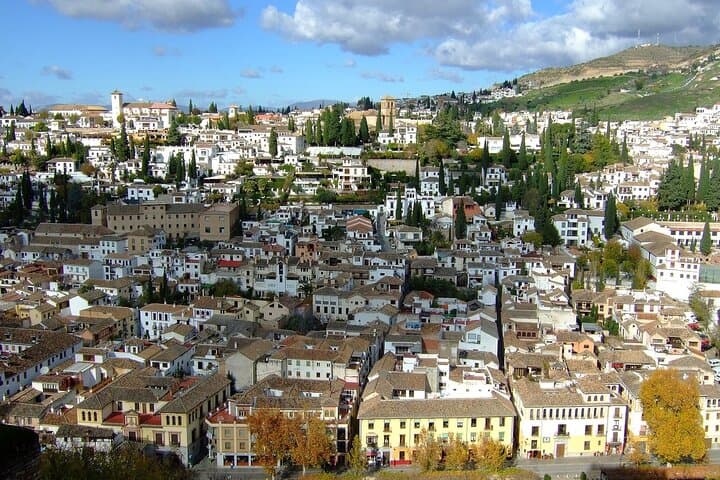
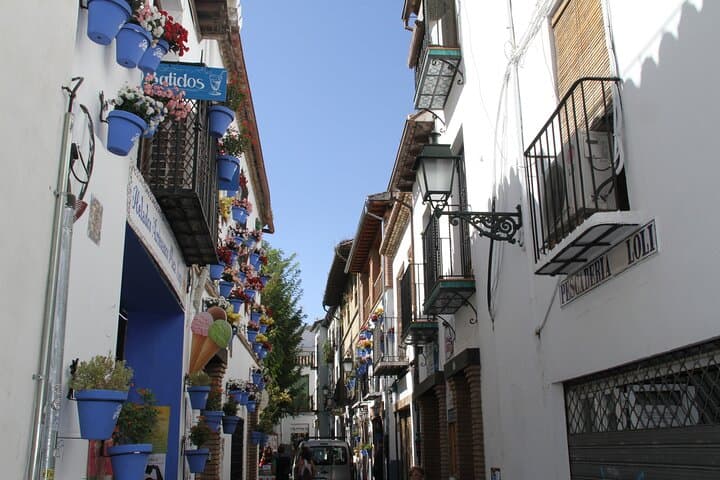
You meet your guide beside Plaza Nueva's old fountain; the stone underfoot still remembers mule traffic and medieval markets. From this low river terrace the route climbs into the Albaicín, its narrow lanes like memory lanes carved into the hill, then opens at Mirador de San Nicolás where the Alhambra perches across the valley with the Sierra Nevada rising behind it.
Verified experiences and guided adventures in the surrounding area.
Operated by Abaq DMC Spain · Granada, Andalusia
You meet your guide beside Plaza Nueva's old fountain; the stone underfoot still remembers mule traffic and medieval markets. From this low river terrace the route climbs into the Albaicín, its narrow lanes like memory lanes carved into the hill, then opens at Mirador de San Nicolás where the Alhambra perches across the valley with the Sierra Nevada rising behind it.
The Albaícín preserves layers: Roman foundations, an extensive Islamic urban plan from Al-Andalus, and later Christian reworking. Ancient cisterns and narrow qanat-fed channels hint at medieval hydraulic ingenuity; the steep terraces reflect the geology of river-cut slopes above the Darro. Cross into Sacromonte and the landscape changes—whitewashed cave homes carved into softer tuff, a Roma flamenco culture tied to grotto performance spaces and itinerant artisans.
Expect two hours of walking on uneven cobbles, steep steps and short paved streets. Your private guide will point out Moorish cisterns, the Camino del Sacromonte viewpoints and stories of 19th-century cave kings while leaving time for photos at San Nicolás and a walk along Paseo de los Tristes by the Darro.
Practical: wear sturdy shoes and bring water; mornings and late afternoons offer the best light and cooler temperatures. The tour is ideal for travelers with moderate mobility — people should be comfortable on stairs and short uphill sections. Because this is a private, guided route, itinerary can flex to include quieter squares or an impromptu flamenco demonstration when available.
moderate.
2 hours.
Moderate — suitable for travelers who can handle uphill walks, stairs and uneven cobbles for short periods.
The meeting point is next to Plaza Nueva fountain; the tour usually ends at Paseo de los Tristes but the guide can adapt the finish for your plans.
No — the Albaicín and Sacromonte contain steep, narrow streets and many steps; not recommended for wheelchairs or limited mobility without prior discussion.
No — this walking tour focuses on Albaicín and Sacromonte viewpoints of the Alhambra; separate timed-entry tickets are required to visit the Alhambra palaces.
No — tips for the guide are not included; if you enjoyed the private service, a modest gratuity is customary.
The Albaicín grew under Islamic rule as a dense, terraced quarter; Sacromonte developed later as a cave-dwelling community tied to Roma flamenco traditions and 19th-century urban folklore.
High foot traffic and erosion threaten fragile masonry and cave facades; stick to paths, avoid climbing walls, and support local businesses that invest in preservation.
Abaq DMC Spain operates guided outdoor trips and adventures with an emphasis on safety, stewardship, and memorable experiences.
You meet your guide beside Plaza Nueva's old fountain; the stone underfoot still remembers mule traffic and medieval markets. From this low river terrace the route climbs into the Albaicín, its narrow lanes like memory lanes carved into the hill, then opens at Mirador de San Nicolás where the Alhambra perches across the valley with the Sierra Nevada rising behind it.
You meet your guide beside Plaza Nueva's old fountain; the stone underfoot still remembers mule traffic and medieval markets. From this low river terrace the route climbs into the Albaicín, its narrow lanes like memory lanes carved into the hill, then opens at Mirador de San Nicolás where the Alhambra perches across the valley with the Sierra Nevada rising behind it.
The Albaícín preserves layers: Roman foundations, an extensive Islamic urban plan from Al-Andalus, and later Christian reworking. Ancient cisterns and narrow qanat-fed channels hint at medieval hydraulic ingenuity; the steep terraces reflect the geology of river-cut slopes above the Darro. Cross into Sacromonte and the landscape changes—whitewashed cave homes carved into softer tuff, a Roma flamenco culture tied to grotto performance spaces and itinerant artisans.
Expect two hours of walking on uneven cobbles, steep steps and short paved streets. Your private guide will point out Moorish cisterns, the Camino del Sacromonte viewpoints and stories of 19th-century cave kings while leaving time for photos at San Nicolás and a walk along Paseo de los Tristes by the Darro.
Practical: wear sturdy shoes and bring water; mornings and late afternoons offer the best light and cooler temperatures. The tour is ideal for travelers with moderate mobility — people should be comfortable on stairs and short uphill sections. Because this is a private, guided route, itinerary can flex to include quieter squares or an impromptu flamenco demonstration when available.