THE ADVENTURE COLLECTIVE® · Independent discovery and booking for outdoor travel

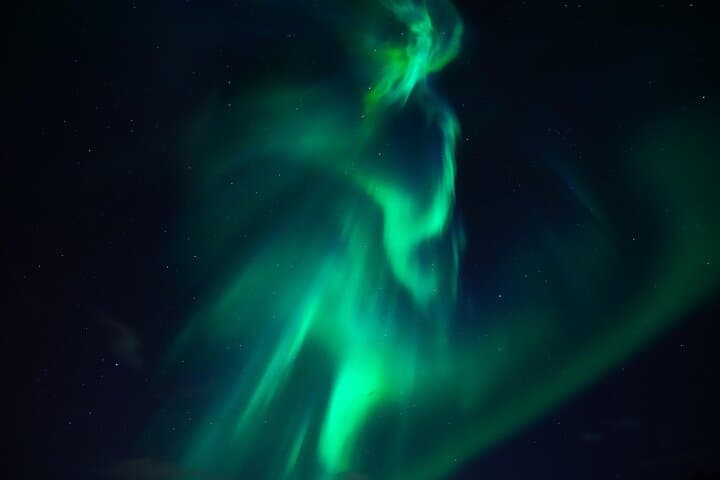
Witness interior Alaska’s fall palette by day and hunt the Aurora by night on this five-day Fairbanks-based tour. Expect long drives to Chena Hot Springs and Denali or the Arctic Circle, heated viewing lodges, and a steady focus on cold-weather comfort.
Witness interior Alaska’s fall palette by day and hunt the Aurora by night on this five-day Fairbanks-based tour. Expect long drives to Chena Hot Springs and Denali or the Arctic Circle, heated viewing lodges, and a steady focus on cold-weather comfort.
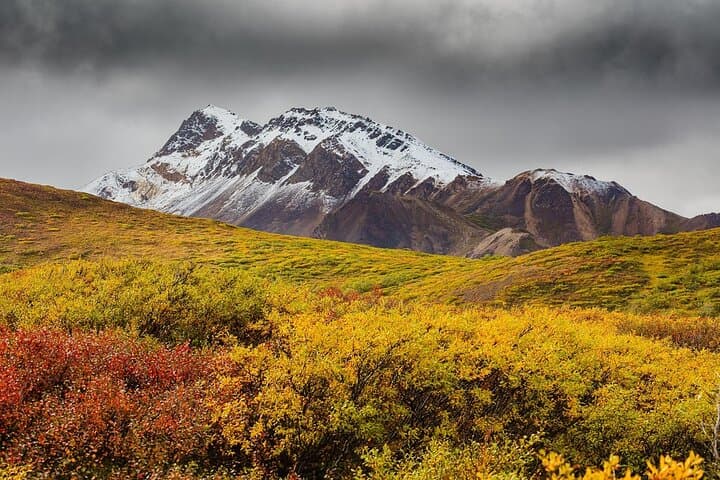
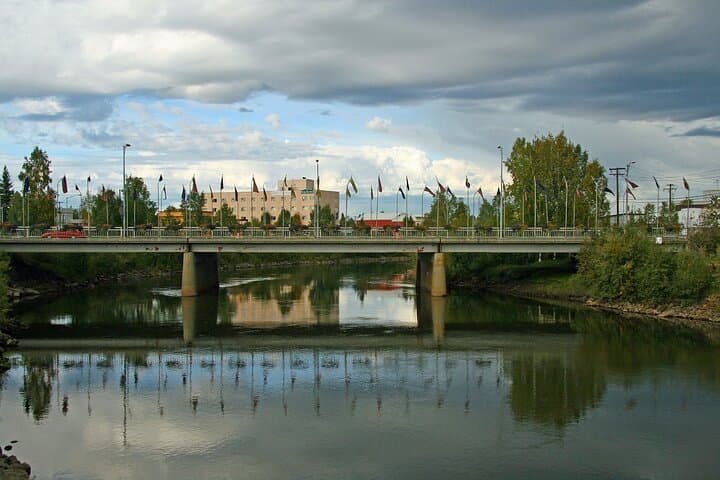
A chill settles over Fairbanks as the road out of town narrows and the birch and willow strip their summer green into copper and gold. Vans hum along the Alaska Highway; passengers watch tundra and spruce slide past, and the early-night sky begins to stir, daring you to stay awake.
Verified experiences and guided adventures in the surrounding area.
Operated by Bucket List Group Travel · Fairbanks, Alaska
A chill settles over Fairbanks as the road out of town narrows and the birch and willow strip their summer green into copper and gold. Vans hum along the Alaska Highway; passengers watch tundra and spruce slide past, and the early-night sky begins to stir, daring you to stay awake.
This five-day loop centers on interior Alaska’s seasonal flip: daytime fall color and night-time aurora. Fairbanks sits about 150 miles south of the Arctic Circle, a gateway where Athabascan history, pipeline engineering, and the legacy of the Gold Rush sit side by side. Geology here is glacially scoured—river terraces, permafrost scars, and the distant bulk of Denali (20,310 ft) marking the southwest horizon on clear days.
Cultural stops include the Morris Thompson Cultural and Visitor Center and the Museum of the North; local guides share stories of indigenous life and frontier towns. Evenings are practical: lodge or Murphy Dome viewing locations with low light pollution and heated shelters give the aurora space to perform while you stay warm and focused.
Practical guidance: expect long drives—Chena Hot Springs is roughly 60 miles (97 km) east of Fairbanks; Denali or the Arctic Circle alternates are full-day (borderline 8–10 hour) excursions. Nights dip well below freezing in shoulder season—layered insulation, waterproof boots, and a tripod for photos are essential. Bring patience and flexible timing; aurora viewing is probabilistic, not guaranteed. Hydrate during daytime outings, protect electronics from cold, and allow extra time for park entry and short hikes. This trip blends daylight landscapes with nocturnal spectacle—organized comfort with wilderness rhythm.
moderate.
5 days.
Moderate—able to handle multiple full-day drives, short walks on uneven terrain, and cold nights outdoors
Late August through October often pairs peak fall foliage with increasing auroral activity; nights are longer and skies clearer in early fall and into winter.
No—aurora is a natural phenomenon dependent on solar activity and clear skies; operators maximize opportunities but cannot guarantee sightings.
Nighttime temperatures in fall can range from near freezing to well below 0°C (32°F), so warm layers are essential.
The tour includes vehicle travel and short walks; options like heated lodges minimize walking, but travelers should disclose mobility needs when booking.
Fairbanks grew from a gold-rush settlement and sits within lands long inhabited by Athabascan peoples; local museums interpret both indigenous culture and frontier history.
Light pollution and off-trail travel threaten fragile boreal and tundra habitats—stick to marked areas and follow Leave No Trace principles; hot springs facilities manage visitors to protect geothermal features.
Bucket List Group Travel operates guided outdoor trips and adventures with an emphasis on safety, stewardship, and memorable experiences.
A chill settles over Fairbanks as the road out of town narrows and the birch and willow strip their summer green into copper and gold. Vans hum along the Alaska Highway; passengers watch tundra and spruce slide past, and the early-night sky begins to stir, daring you to stay awake.
A chill settles over Fairbanks as the road out of town narrows and the birch and willow strip their summer green into copper and gold. Vans hum along the Alaska Highway; passengers watch tundra and spruce slide past, and the early-night sky begins to stir, daring you to stay awake.
This five-day loop centers on interior Alaska’s seasonal flip: daytime fall color and night-time aurora. Fairbanks sits about 150 miles south of the Arctic Circle, a gateway where Athabascan history, pipeline engineering, and the legacy of the Gold Rush sit side by side. Geology here is glacially scoured—river terraces, permafrost scars, and the distant bulk of Denali (20,310 ft) marking the southwest horizon on clear days.
Cultural stops include the Morris Thompson Cultural and Visitor Center and the Museum of the North; local guides share stories of indigenous life and frontier towns. Evenings are practical: lodge or Murphy Dome viewing locations with low light pollution and heated shelters give the aurora space to perform while you stay warm and focused.
Practical guidance: expect long drives—Chena Hot Springs is roughly 60 miles (97 km) east of Fairbanks; Denali or the Arctic Circle alternates are full-day (borderline 8–10 hour) excursions. Nights dip well below freezing in shoulder season—layered insulation, waterproof boots, and a tripod for photos are essential. Bring patience and flexible timing; aurora viewing is probabilistic, not guaranteed. Hydrate during daytime outings, protect electronics from cold, and allow extra time for park entry and short hikes. This trip blends daylight landscapes with nocturnal spectacle—organized comfort with wilderness rhythm.