THE ADVENTURE COLLECTIVE® · Independent discovery and booking for outdoor travel

Walk through centuries of trade along Dubai Creek and into the narrow lanes of Al Fahidi. This guided Aladdin Walking Tour pairs local history with souk bargaining tips, an abra crossing, and authentic street food tastings.
Walk through centuries of trade along Dubai Creek and into the narrow lanes of Al Fahidi. This guided Aladdin Walking Tour pairs local history with souk bargaining tips, an abra crossing, and authentic street food tastings.
A warm, spice-scented breeze meets the mosaic of wooden abras as you step onto Bur Dubai’s abra dock. The river—Dubai Creek—runs like the city’s original street, pushing trading dhows and motorized boats past limestone forts and narrow alleys where shadowed wind towers keep cool.
Verified experiences and guided adventures in the surrounding area.
Operated by Aladdin Lamp Tours - Dubai · Dubai, Dubai
A warm, spice-scented breeze meets the mosaic of wooden abras as you step onto Bur Dubai’s abra dock. The river—Dubai Creek—runs like the city’s original street, pushing trading dhows and motorized boats past limestone forts and narrow alleys where shadowed wind towers keep cool.
This guided walk threads Al Seef’s reconstructed heritage promenade into the original lanes of Al Fahidi, passing Al Fahidi Fort (now Dubai Museum) — a late-18th-century watch post turned storyteller. The creek itself is a tidal inlet carved by centuries of trade; its banks grew into the souks and markets that made Dubai a trading hub for pearling, spices and textiles long before the skyscrapers.
Cultural beats here are immediate: bargaining rhythms at the Textile and Spice Souks, the quiet hospitality of the Coffee Museum, and the ritual of Arabic coffee and sweet dates. Local guides decode smells, names and bargaining signals so you can move through markets with confidence rather than overwhelm.
Practical side: expect about three hours on foot on paved but uneven alleys, with short abra crossings and crowded market lanes. Go early to avoid midday heat and heavy crowds, wear sturdy shoes and sun protection, and carry small bills for samples and purchases. Cameras are welcome but ask before photographing people or shop interiors.
This tour is ideal for travelers who want a compact, walkable primer on old Dubai’s urban history, culinary touchpoints and market mechanics—delivered with local context and enough time to taste and bargain without being rushed.
easy.
3–3.5 hours.
Basic urban fitness — ability to walk 2–4 miles on paved or uneven surfaces and stand during tastings
Yes — the tour itinerary includes admission to Dubai Museum/Al Fahidi Fort and a private abra crossing as listed in the inclusions.
Generally yes — the tour is rated easy, but it includes walking and some standing; infants should sit on laps and it’s not recommended for pregnant travelers per provider notes.
Yes — the guide will take you into the Gold and Spice Souks and can advise on bargaining; purchases are optional and cash is commonly used.
Yes — during Ramadan opening hours, food tastings and some shops may be limited and public eating times change; check timing when booking during the holy month.
Dubai Creek was the city’s original maritime highway; Al Fahidi Fort, built in the late 18th century, later became the site of Dubai Museum and marks the historic heart of the emirate.
Heritage conservation projects preserve Al Fahidi and Al Seef while development pressures remain; visitors can help by minimizing litter, avoiding single-use plastics and following local signage.
Aladdin Lamp Tours - Dubai operates guided outdoor trips and adventures with an emphasis on safety, stewardship, and memorable experiences.

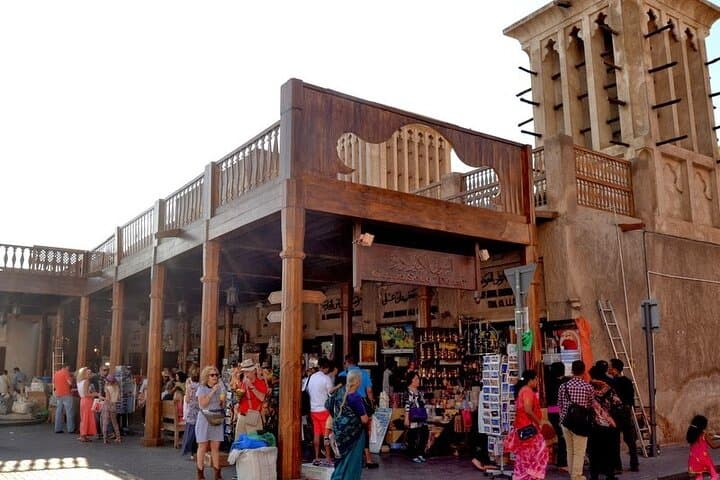
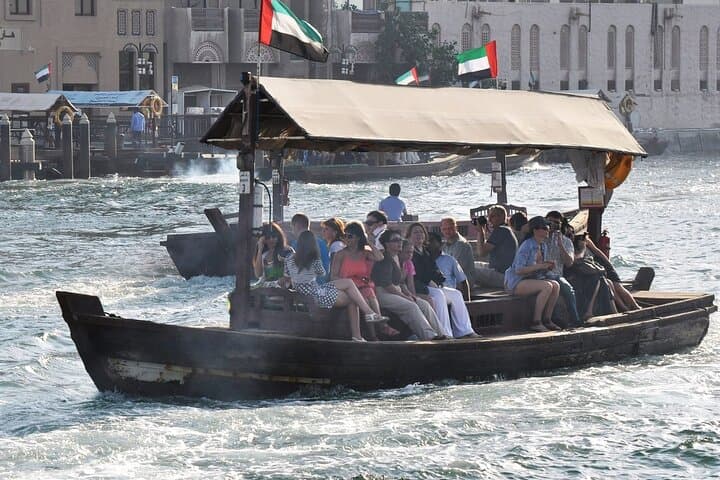

A warm, spice-scented breeze meets the mosaic of wooden abras as you step onto Bur Dubai’s abra dock. The river—Dubai Creek—runs like the city’s original street, pushing trading dhows and motorized boats past limestone forts and narrow alleys where shadowed wind towers keep cool.
A warm, spice-scented breeze meets the mosaic of wooden abras as you step onto Bur Dubai’s abra dock. The river—Dubai Creek—runs like the city’s original street, pushing trading dhows and motorized boats past limestone forts and narrow alleys where shadowed wind towers keep cool.
This guided walk threads Al Seef’s reconstructed heritage promenade into the original lanes of Al Fahidi, passing Al Fahidi Fort (now Dubai Museum) — a late-18th-century watch post turned storyteller. The creek itself is a tidal inlet carved by centuries of trade; its banks grew into the souks and markets that made Dubai a trading hub for pearling, spices and textiles long before the skyscrapers.
Cultural beats here are immediate: bargaining rhythms at the Textile and Spice Souks, the quiet hospitality of the Coffee Museum, and the ritual of Arabic coffee and sweet dates. Local guides decode smells, names and bargaining signals so you can move through markets with confidence rather than overwhelm.
Practical side: expect about three hours on foot on paved but uneven alleys, with short abra crossings and crowded market lanes. Go early to avoid midday heat and heavy crowds, wear sturdy shoes and sun protection, and carry small bills for samples and purchases. Cameras are welcome but ask before photographing people or shop interiors.
This tour is ideal for travelers who want a compact, walkable primer on old Dubai’s urban history, culinary touchpoints and market mechanics—delivered with local context and enough time to taste and bargain without being rushed.