THE ADVENTURE COLLECTIVE® · Independent discovery and booking for outdoor travel

Walk the fortress that helped found modern Saudi Arabia with a one-hour self-guided audio tour. Learn about the 1902 recapture, local dress, and hidden galleries while exploring accessible, compact exhibits.
Walk the fortress that helped found modern Saudi Arabia with a one-hour self-guided audio tour. Learn about the 1902 recapture, local dress, and hidden galleries while exploring accessible, compact exhibits.
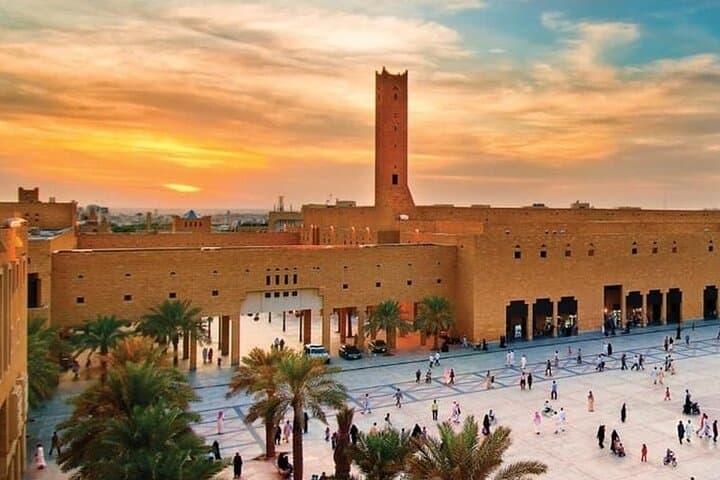
Stand before the ochre walls of Al Masmak and the city’s pulse feels different—older, stubborn, deliberate. The fortress gate looms; the audio guide begins, and voices from the past take over, tracing the 1902 recapture that changed the Arabian Peninsula’s map. Walk through the courtyard, step past the watchtower, and listen as rooms that once stored weapons and hid prisoners reveal decisions that shaped a nation.
Verified experiences and guided adventures in the surrounding area.
Operated by Vidi Guides · Riyadh, Riyadh Province
Stand before the ochre walls of Al Masmak and the city’s pulse feels different—older, stubborn, deliberate. The fortress gate looms; the audio guide begins, and voices from the past take over, tracing the 1902 recapture that changed the Arabian Peninsula’s map. Walk through the courtyard, step past the watchtower, and listen as rooms that once stored weapons and hid prisoners reveal decisions that shaped a nation.
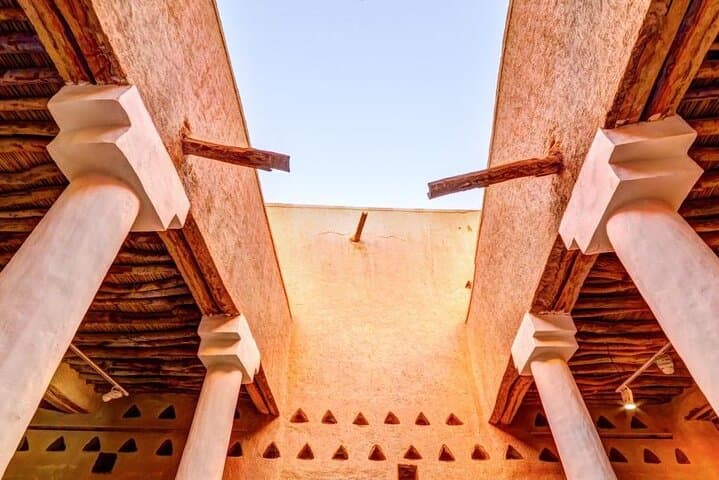
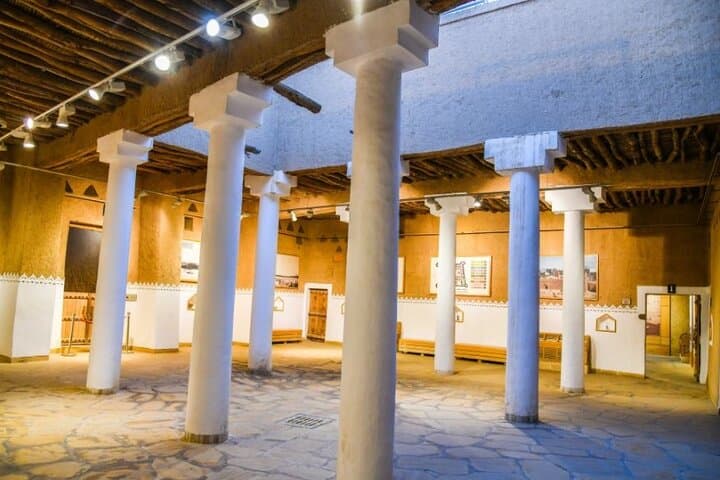
Al Masmak is Najdi mudbrick architecture made practical: thick walls to hold heat and a central well that once guaranteed months of water. The tour highlights how Riyadh grew from a one-square-kilometre settlement to a modern capital, with photographs and galleries mapping that expansion. Expect insights into traditional dress—the thoub, shumaq and egal—plus the names of the 63 pioneers who rode with Ibn Saud.
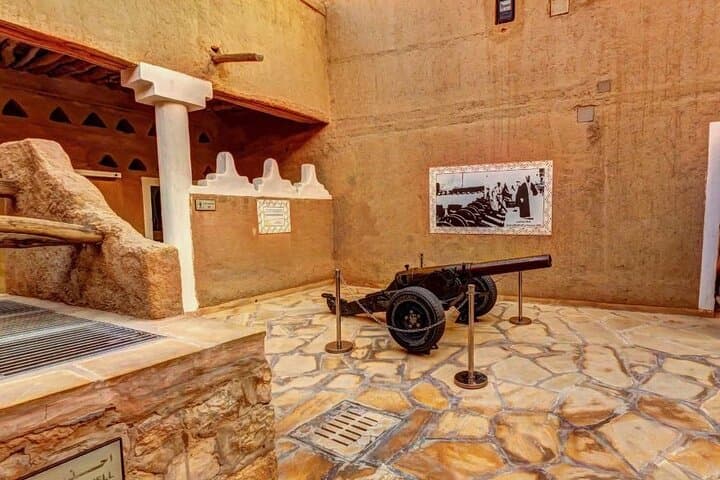
Culturally this is civic memory dressed as a compact museum; geopolitically it’s a touchstone for modern Saudi identity. The audio format lets you linger at the Pioneers Gallery, study the Ottoman cannon beside the well, and time your photo at Al Safat Square and the Imam Turki bin Abdullah Grand Mosque.
Practicalities: the self-guided audio lasts about an hour, doesn’t include entrance tickets, and supports offline playback—download before you arrive. Go in the cooler hours to avoid midday heat, carry water and sunscreen, and leave large bags at your hotel. Because the route is flat and accessible, it suits most fitness levels, but expect crowds during prayer times and local holidays.
easy.
1 hour.
Minimal walking on flat, paved surfaces; suitable for most fitness levels
No. The booking provides the self-guided audio only; you must buy museum admission separately at the gate or via the site’s official channels.
Yes. The fortress and most galleries are listed as wheelchair and stroller accessible, though some thresholds and narrow displays may require care.
Audio narration is provided by a local historian; language availability can vary—check the product page before booking or download for the language options available to you.
Download the tour files to your device before arrival via the app or link provided after booking so GPS-triggered audio plays without Wi‑Fi.
Al Masmak was central to Ibn Saud’s 1902 recapture of Riyadh and later became a museum celebrating the pioneers who helped form modern Saudi Arabia.
Treat exhibits with care and follow signage; conserving mudbrick architecture relies on limiting moisture, touching, and overcrowding during busy periods.
Vidi Guides operates guided outdoor trips and adventures with an emphasis on safety, stewardship, and memorable experiences.
Stand before the ochre walls of Al Masmak and the city’s pulse feels different—older, stubborn, deliberate. The fortress gate looms; the audio guide begins, and voices from the past take over, tracing the 1902 recapture that changed the Arabian Peninsula’s map. Walk through the courtyard, step past the watchtower, and listen as rooms that once stored weapons and hid prisoners reveal decisions that shaped a nation.
Stand before the ochre walls of Al Masmak and the city’s pulse feels different—older, stubborn, deliberate. The fortress gate looms; the audio guide begins, and voices from the past take over, tracing the 1902 recapture that changed the Arabian Peninsula’s map. Walk through the courtyard, step past the watchtower, and listen as rooms that once stored weapons and hid prisoners reveal decisions that shaped a nation.
Al Masmak is Najdi mudbrick architecture made practical: thick walls to hold heat and a central well that once guaranteed months of water. The tour highlights how Riyadh grew from a one-square-kilometre settlement to a modern capital, with photographs and galleries mapping that expansion. Expect insights into traditional dress—the thoub, shumaq and egal—plus the names of the 63 pioneers who rode with Ibn Saud.
Culturally this is civic memory dressed as a compact museum; geopolitically it’s a touchstone for modern Saudi identity. The audio format lets you linger at the Pioneers Gallery, study the Ottoman cannon beside the well, and time your photo at Al Safat Square and the Imam Turki bin Abdullah Grand Mosque.
Practicalities: the self-guided audio lasts about an hour, doesn’t include entrance tickets, and supports offline playback—download before you arrive. Go in the cooler hours to avoid midday heat, carry water and sunscreen, and leave large bags at your hotel. Because the route is flat and accessible, it suits most fitness levels, but expect crowds during prayer times and local holidays.