THE ADVENTURE COLLECTIVE® · Independent discovery and booking for outdoor travel

Abseil into limestone shafts, swim in subterranean pools and navigate blackout passages in Al Hoota Cave near Al Hamra. This full-day canyoning expedition blends technical rope work, cold-water swims, and tight crawls—expect demanding moves and unforgettable underground scenery.
Abseil into limestone shafts, swim in subterranean pools and navigate blackout passages in Al Hoota Cave near Al Hamra. This full-day canyoning expedition blends technical rope work, cold-water swims, and tight crawls—expect demanding moves and unforgettable underground scenery.
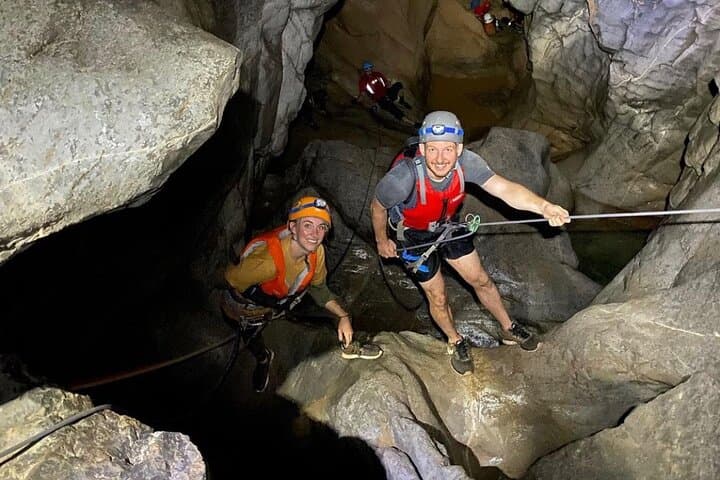
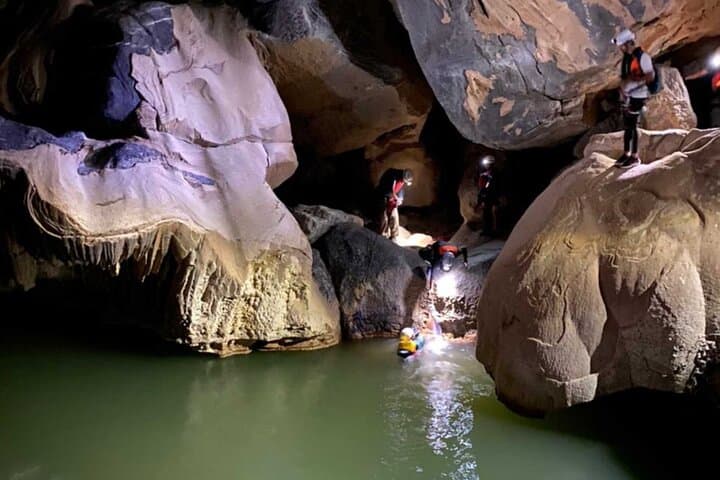
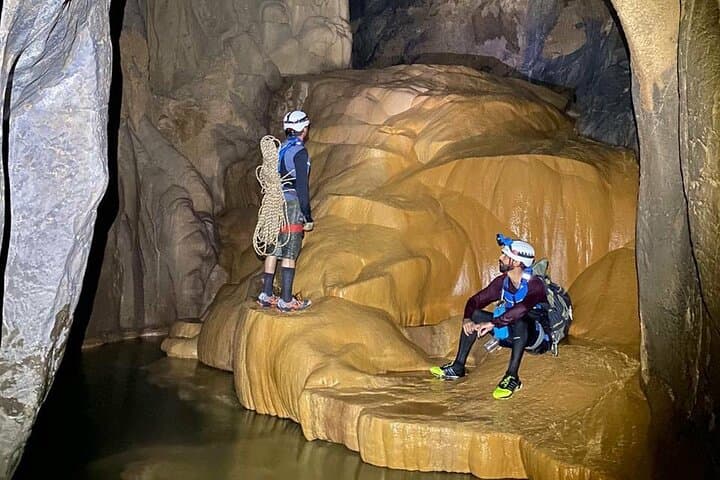
You step off the lip of daylight and the world narrows to the rope and the echo. In Al Hoota Cave, near the terraced cliffs above Al Hamra, limestone corridors fold into black water and sudden drops; your abseil line threads down past mineral curtains that have grown drip by drip for millennia.
Verified experiences and guided adventures in the surrounding area.
Operated by WikiTours Adventures · Al Hamra, Ad Dakhiliyah
You step off the lip of daylight and the world narrows to the rope and the echo. In Al Hoota Cave, near the terraced cliffs above Al Hamra, limestone corridors fold into black water and sudden drops; your abseil line threads down past mineral curtains that have grown drip by drip for millennia.
The cave system—cut into Oman's karst limestone—records ancient groundwater flow and seasonal floods; local communities once used nearby springs for irrigation and still tell stories of hidden pools and stubborn bats. Geologically it's a slice of the Hajar foothills: folded, fractured carbonate that channels streams into underground lakes and tight passages. Culturally the route sits on land long traversed by mountain farmers and caravan routes between Nizwa and the interior.
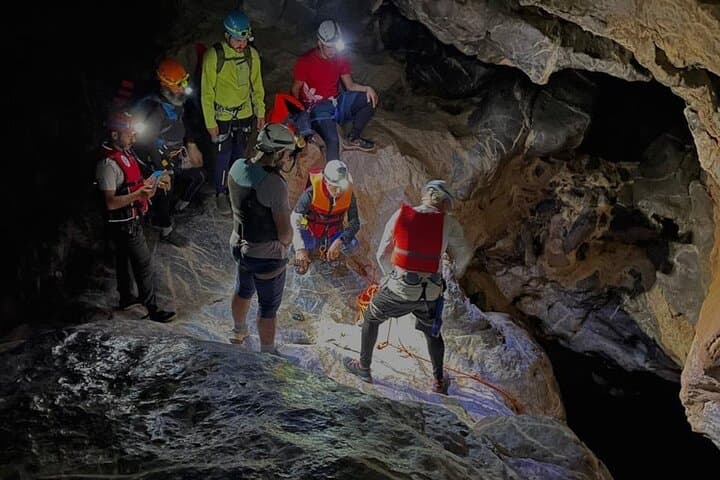
On a canyoning trip you'll abseil into shafts, swim through cold, clear pools, and squeeze through crawlways; guides enforce blackout segments to sharpen navigation and focus. Expect wet suits, life jackets, helmets and rope systems provided; bring a sense of adventure and a respect for fragile formations.
Practicalities: be prepared for a full-day outing—roughly 10 hours including transport—and physically demanding moves from upper-arm pulling to unsteady footholds. Wear closed-toe water shoes with good grip, bring a waterproof dry bag for essentials, and pack extra thermal layers for post-swim chills. Hydrate before entry; caves can mask exertion.
Safety and conservation: follow guide instructions, avoid touching speleothems, and carry out all trash. The experience rewards careful effort with raw underground scenery few travelers see. Bring a charged camera, too.
challenging.
10 hours.
Good cardiovascular fitness and upper-body strength recommended; comfortable with confined spaces and sustained exertion.
No formal certification required, but familiarity with ropework helps; guides provide instruction and technical systems for safety.
Yes—expect multiple swims across underground pools; basic swimming ability and comfort in cold water are necessary.
Not recommended for pregnant travelers or those with significant spinal, heart or severe respiratory problems; operators often screen by age and weight.
Limited photography is usually allowed but light is low—bring a camera with good low-light performance and follow guide directions to avoid disturbing the group.
The cave formed in karst limestone of the Hajar foothills; local springs supported small mountain settlements and seasonal irrigation for centuries.
Speleothems and underground waters are fragile—stick to guide routes, avoid touching formations, and pack out waste to reduce impact.
WikiTours Adventures operates guided outdoor trips and adventures with an emphasis on safety, stewardship, and memorable experiences.
You step off the lip of daylight and the world narrows to the rope and the echo. In Al Hoota Cave, near the terraced cliffs above Al Hamra, limestone corridors fold into black water and sudden drops; your abseil line threads down past mineral curtains that have grown drip by drip for millennia.
You step off the lip of daylight and the world narrows to the rope and the echo. In Al Hoota Cave, near the terraced cliffs above Al Hamra, limestone corridors fold into black water and sudden drops; your abseil line threads down past mineral curtains that have grown drip by drip for millennia.
The cave system—cut into Oman's karst limestone—records ancient groundwater flow and seasonal floods; local communities once used nearby springs for irrigation and still tell stories of hidden pools and stubborn bats. Geologically it's a slice of the Hajar foothills: folded, fractured carbonate that channels streams into underground lakes and tight passages. Culturally the route sits on land long traversed by mountain farmers and caravan routes between Nizwa and the interior.
On a canyoning trip you'll abseil into shafts, swim through cold, clear pools, and squeeze through crawlways; guides enforce blackout segments to sharpen navigation and focus. Expect wet suits, life jackets, helmets and rope systems provided; bring a sense of adventure and a respect for fragile formations.
Practicalities: be prepared for a full-day outing—roughly 10 hours including transport—and physically demanding moves from upper-arm pulling to unsteady footholds. Wear closed-toe water shoes with good grip, bring a waterproof dry bag for essentials, and pack extra thermal layers for post-swim chills. Hydrate before entry; caves can mask exertion.
Safety and conservation: follow guide instructions, avoid touching speleothems, and carry out all trash. The experience rewards careful effort with raw underground scenery few travelers see. Bring a charged camera, too.