
Al-Balad Walking Tour: Explore Jeddah’s Old Town Markets and Coral-Stone Houses
Walk through Jeddah’s Al-Balad to see coral-stone houses, wooden latticed windows, and lively market life. This 2–3 hour guided tour mixes history, local crafts, and tasting stops at traditional bakeries and tea stalls.
An Adventure In Jeddah.
Walk through Jeddah’s Al-Balad to see coral-stone houses, wooden latticed windows, and lively market life. This 2–3 hour guided tour mixes history, local crafts, and tasting stops at traditional bakeries and tea stalls.
Read the full experience
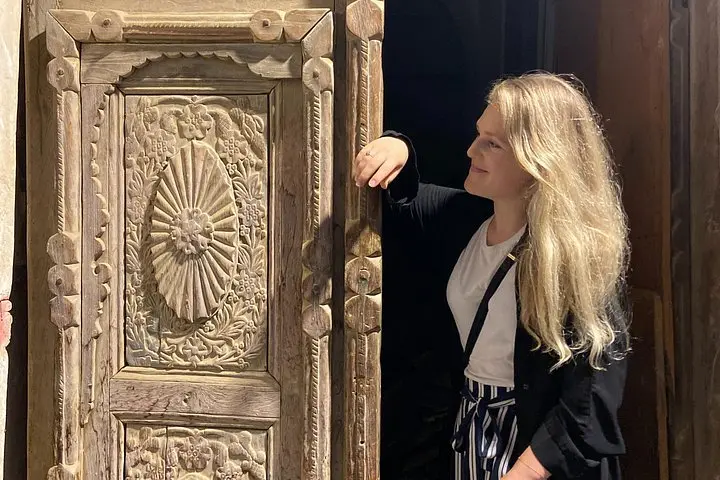
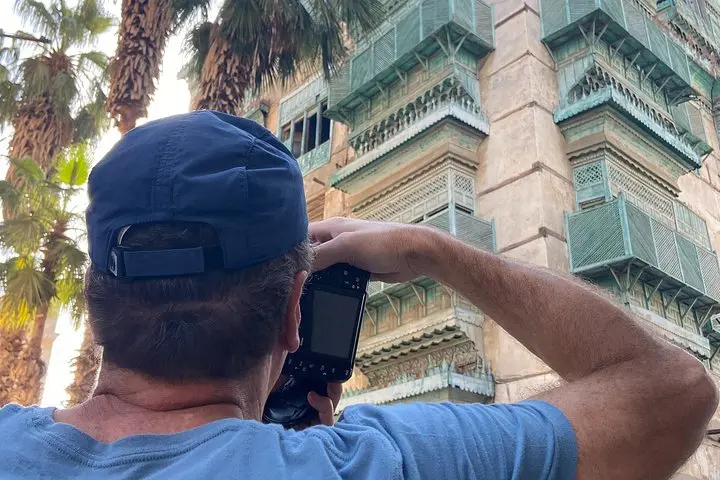
Morning light slices down narrow alleys in Al-Balad, and the Red Sea breeze nudges vendors to lift mesh covers from piles of spices and perfumes. On a two- to three-hour walking tour the city feels tactile: carved wooden windows cast latticed shadows, ovens send warm bread aromas into the street, and craftsmen beat gold and leather in open-front shops.
Morning light slices down narrow alleys in Al-Balad, and the Red Sea breeze nudges vendors to lift mesh covers from piles of spices and perfumes. On a two- to three-hour walking tour the city feels tactile: carved wooden windows cast latticed shadows, ovens send warm bread aromas into the street, and craftsmen beat gold and leather in open-front shops.
Al-Balad began as Jeddah’s core in the 7th century and grew as a Red Sea port and gateway for pilgrims. Much of the quarter is built from coral stone and seashell mortar; façades and rawasheen (ornate wooden windows) reflect Yemeni and Ottoman influences. The district’s defensive walls were removed in the 1940s as the city expanded north during the oil boom, but many homes—like Bayt Nassif—survive and are preserved under UNESCO protections.
Culture here is communal: tea is shared on street-side benches, children race between stalls, and bargaining is part ritual. Expect stops at an old bakery, a perfumery, and a small museum or art house with traditional furnishings and stories about early Jeddawis.
Practicalities are simple: the route is mostly flat and covers roughly 2–3 km of paved alleys, suitable for strollers and casual walkers. Dress modestly, bring water, and time your visit for morning or late afternoon to avoid peak heat. Carry small cash for snacks and be prepared to remove shoes in mosques; a local guide will point out architecture, history, and the best places to sample sobia and balilah.
Frequently asked questions
The tour runs about 2–3 hours and is a private walking experience covering key parts of Al-Balad.
Entry to one or more museums and local snacks/drinks are listed as included in the tour details—confirm specific inclusions when booking.
Many alleys are flat and suitable for strollers; wheelchair accessibility varies by street and interior sites—check with the operator for specific routes.
Guides typically speak English and Arabic; tipping is appreciated for good service—small cash tips are customary.
About This Experience
88 Destinations operates guided outdoor trips and adventures with an emphasis on safety, stewardship, and memorable experiences.
Adventure tips
Recommended gear
- Comfortable walking shoes: Provides traction on uneven paved alleys and long periods of standing.
- Reusable water bottle: Staying hydrated is essential in Jeddah’s heat, refill where available.
- Light scarf or shawl: Useful for modesty in religious sites and added sun protection.
- Small daypack with cash: Carries purchases, snacks, guide tip, and sunscreen without getting in the way.
Photos of the experience


Related adventures & guides
Read the full experience
Morning light slices down narrow alleys in Al-Balad, and the Red Sea breeze nudges vendors to lift mesh covers from piles of spices and perfumes. On a two- to three-hour walking tour the city feels tactile: carved wooden windows cast latticed shadows, ovens send warm bread aromas into the street, and craftsmen beat gold and leather in open-front shops.
Morning light slices down narrow alleys in Al-Balad, and the Red Sea breeze nudges vendors to lift mesh covers from piles of spices and perfumes. On a two- to three-hour walking tour the city feels tactile: carved wooden windows cast latticed shadows, ovens send warm bread aromas into the street, and craftsmen beat gold and leather in open-front shops.
Al-Balad began as Jeddah’s core in the 7th century and grew as a Red Sea port and gateway for pilgrims. Much of the quarter is built from coral stone and seashell mortar; façades and rawasheen (ornate wooden windows) reflect Yemeni and Ottoman influences. The district’s defensive walls were removed in the 1940s as the city expanded north during the oil boom, but many homes—like Bayt Nassif—survive and are preserved under UNESCO protections.
Culture here is communal: tea is shared on street-side benches, children race between stalls, and bargaining is part ritual. Expect stops at an old bakery, a perfumery, and a small museum or art house with traditional furnishings and stories about early Jeddawis.
Practicalities are simple: the route is mostly flat and covers roughly 2–3 km of paved alleys, suitable for strollers and casual walkers. Dress modestly, bring water, and time your visit for morning or late afternoon to avoid peak heat. Carry small cash for snacks and be prepared to remove shoes in mosques; a local guide will point out architecture, history, and the best places to sample sobia and balilah.
Make a day of it nearby.
Verified experiences and guided adventures in the surrounding area.