THE ADVENTURE COLLECTIVE® · Independent discovery and booking for outdoor travel

Explore Al Balad’s coral-stone alleys, rawasheen balconies and bustling souqs on a 4-hour private walking tour. Learn local history, sample café culture and navigate a living UNESCO district with practical tips for timing, dress and photography.
Explore Al Balad’s coral-stone alleys, rawasheen balconies and bustling souqs on a 4-hour private walking tour. Learn local history, sample café culture and navigate a living UNESCO district with practical tips for timing, dress and photography.
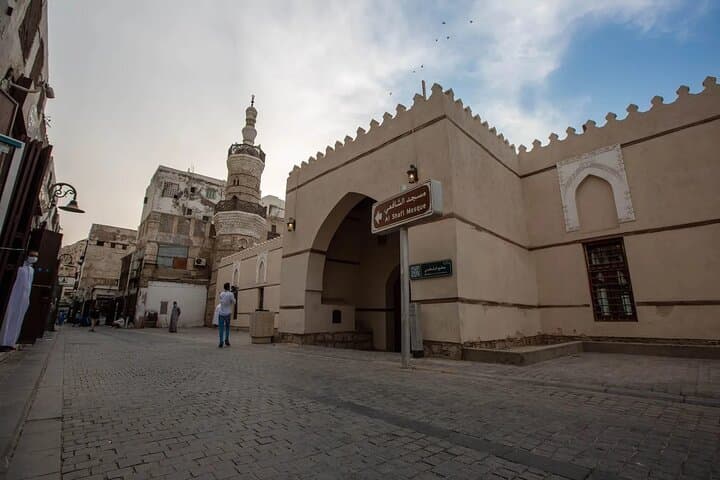
The sun drops low over the Red Sea and the narrow alleys of Al Balad take on a honeyed glow; coral-stone houses cast long shadows and the wooden lattice windows — rawasheen — hum with the day’s last breeze. Walk here and you feel the city’s trade routes under your feet: footsteps on worn flagstones, the distant call of the muezzin, and the warm smell of spices drifting from a souq stall.
Verified experiences and guided adventures in the surrounding area.
Operated by Golden Destination · Jeddah, Makkah Province
The sun drops low over the Red Sea and the narrow alleys of Al Balad take on a honeyed glow; coral-stone houses cast long shadows and the wooden lattice windows — rawasheen — hum with the day’s last breeze. Walk here and you feel the city’s trade routes under your feet: footsteps on worn flagstones, the distant call of the muezzin, and the warm smell of spices drifting from a souq stall.
Al Balad is Jeddah’s original port quarter and a UNESCO World Heritage Site. Its coral-built houses and intricately carved wooden balconies date from the 18th–19th centuries, when Jeddah was the gateway for pilgrims bound for Mecca and a hub for Red Sea trade. Geologically the district sits at sea level on compacted coral limestone; the proximity to the coast shapes both the architecture and daily life—salt-laden air, narrow alleys for shade, and a culture shaped by maritime exchange.
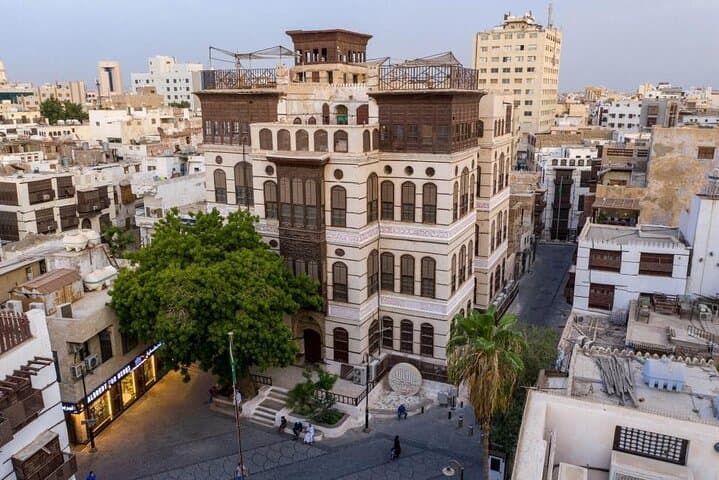
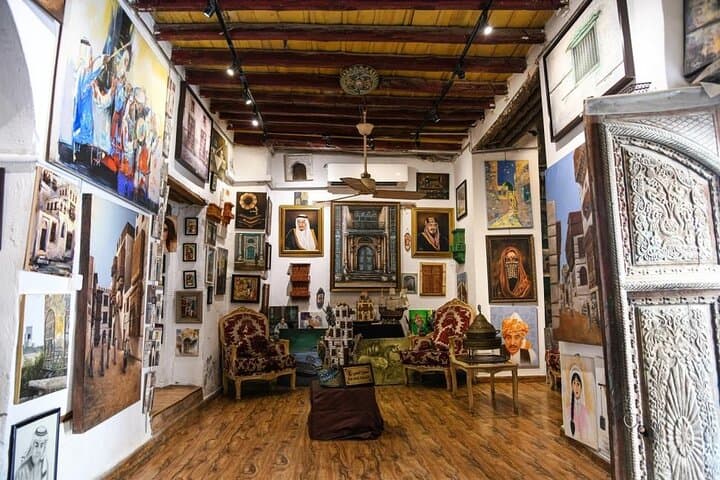
Locals still gather in coffee shops and family-run cafés, and the area’s markets sell perfumes, spices, dates and traditional garments. Nasseef House, now a museum, anchors the district’s civic history, while off-the-beaten-path galleries and rooftop cafés reward those who wander.
Practical guide: this is a 4-hour private walking tour covering roughly 2–3 km on mostly flat but uneven pavements. Temperatures can be high—schedule mornings or late afternoons in summer. Dress modestly, carry water (bottled water is typically included), and wear sturdy, closed-toe shoes for cobbles and narrow stairs. Bring some cash for souq purchases and ask before photographing people or private homes. The experience blends easy walking with rich cultural context—ideal for travelers who want history, architecture, and daily city life in one compact visit.
easy.
4 hours.
Suitable for most fitness levels; expect 2–3 km of walking on uneven pavement and some stairs.
The private tour lasts about 4 hours and covers roughly 2–3 km of mostly flat walking through alleys, markets and heritage sites.
Yes—this tour is rated easy and suitable for most ages, though narrow alleys and steps may be challenging with strollers.
Yes—hours and food/service availability change during Ramadan and holidays, so book ahead and confirm timing with your guide.
This tour’s itinerary notes some stops with included admission; confirm at booking if specific museum entries are covered.
Al Balad grew as Jeddah’s trading port and pilgrimage gateway; many coral-stone houses and the Nasseef House reflect centuries of Hejazi mercantile culture and Ottoman-era influences.
UNESCO designation protects Al Balad’s architectural fabric, but salt air, urban development and tourism pressure require careful preservation and respectful visitor behavior.
Golden Destination operates guided outdoor trips and adventures with an emphasis on safety, stewardship, and memorable experiences.
The sun drops low over the Red Sea and the narrow alleys of Al Balad take on a honeyed glow; coral-stone houses cast long shadows and the wooden lattice windows — rawasheen — hum with the day’s last breeze. Walk here and you feel the city’s trade routes under your feet: footsteps on worn flagstones, the distant call of the muezzin, and the warm smell of spices drifting from a souq stall.
The sun drops low over the Red Sea and the narrow alleys of Al Balad take on a honeyed glow; coral-stone houses cast long shadows and the wooden lattice windows — rawasheen — hum with the day’s last breeze. Walk here and you feel the city’s trade routes under your feet: footsteps on worn flagstones, the distant call of the muezzin, and the warm smell of spices drifting from a souq stall.
Al Balad is Jeddah’s original port quarter and a UNESCO World Heritage Site. Its coral-built houses and intricately carved wooden balconies date from the 18th–19th centuries, when Jeddah was the gateway for pilgrims bound for Mecca and a hub for Red Sea trade. Geologically the district sits at sea level on compacted coral limestone; the proximity to the coast shapes both the architecture and daily life—salt-laden air, narrow alleys for shade, and a culture shaped by maritime exchange.
Locals still gather in coffee shops and family-run cafés, and the area’s markets sell perfumes, spices, dates and traditional garments. Nasseef House, now a museum, anchors the district’s civic history, while off-the-beaten-path galleries and rooftop cafés reward those who wander.
Practical guide: this is a 4-hour private walking tour covering roughly 2–3 km on mostly flat but uneven pavements. Temperatures can be high—schedule mornings or late afternoons in summer. Dress modestly, carry water (bottled water is typically included), and wear sturdy, closed-toe shoes for cobbles and narrow stairs. Bring some cash for souq purchases and ask before photographing people or private homes. The experience blends easy walking with rich cultural context—ideal for travelers who want history, architecture, and daily city life in one compact visit.