THE ADVENTURE COLLECTIVE® · Independent discovery and booking for outdoor travel

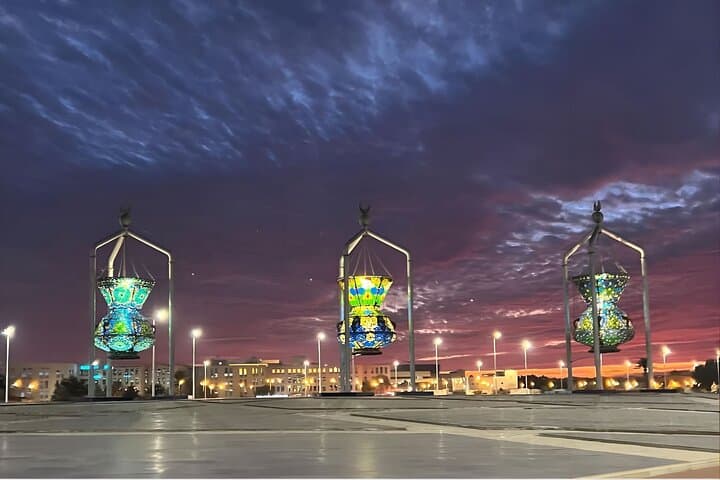
Walk Bab Jadid into the heart of Al-Balad, Jeddah’s coral-stone old town. This three-hour guided tour visits Naseef House, Harat neighborhoods, traditional cafés and artisan streets, blending history, architecture and practical local tips.
Walk Bab Jadid into the heart of Al-Balad, Jeddah’s coral-stone old town. This three-hour guided tour visits Naseef House, Harat neighborhoods, traditional cafés and artisan streets, blending history, architecture and practical local tips.
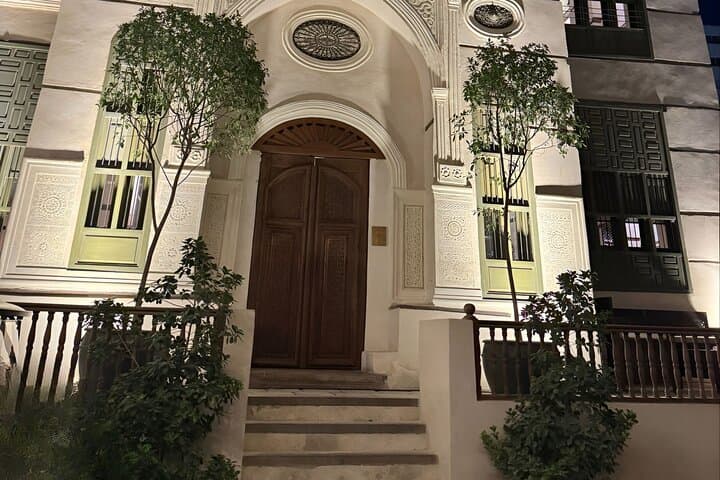
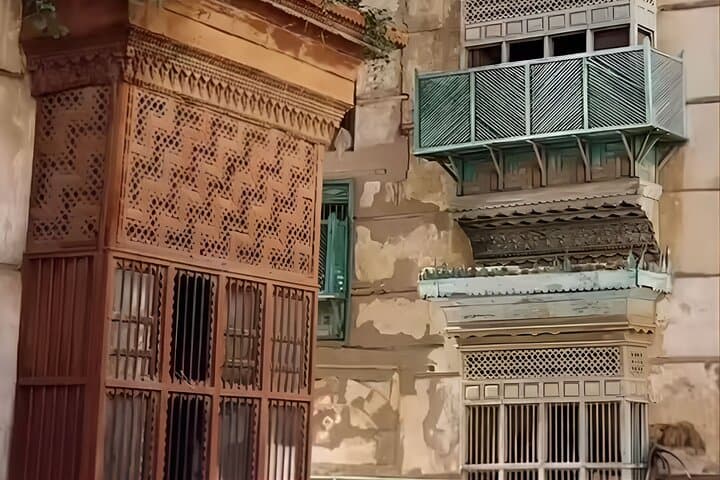
You step through Bab Jadid and the heat exhales differently—salt from the Red Sea pushes inland, and alleys tighten into corridors of coral-stone houses with wooden rawashin that lean over the street like patient onlookers.
Verified experiences and guided adventures in the surrounding area.
Operated by Taleed · Jeddah, Makkah Province
You step through Bab Jadid and the heat exhales differently—salt from the Red Sea pushes inland, and alleys tighten into corridors of coral-stone houses with wooden rawashin that lean over the street like patient onlookers.
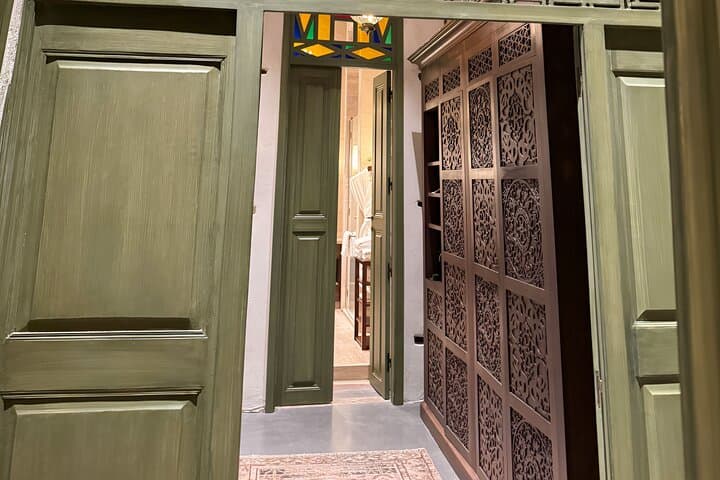
This three‑hour walking tour threads Harat Al-Sham, Al-Mazloum, Al-Bahr and Al-Yaman, moving from 16th‑century fortifications to Naseef House, once the home of influential merchants and later a royal residence. The geology is literal: coral rock cut and stacked, plastered with lime that speaks to a time when local materials and sea trade shaped construction. Jeddah’s role as the principal western port for pilgrims to Mecca turned it into a cultural crossroads—Syrian, Yemeni and African influences are visible in dialects, food stalls and artisan crafts along Street 97.
You’ll pass Al-Shafi'i Mosque, the first English-teacher’s house, and small museums devoted to local music and crafts. Vendors offer sobia and cardamom coffee; markets sell gypsum mashrabiya designs and tawdry souvenirs. For hands-on visitors, optional workshops in soap-making, pottery or gypsum carving link technique to tradition (extra cost).
Practical guidance: wear sturdy shoes—the lanes are uneven and tiled in places—and carry water; bottled water is included but refill points are limited. Dress modestly; lightweight, breathable layers work best year-round. Peak daylight hours are hot; early morning or late‑afternoon tours are cooler and offer softer light for photos. The route is accessible for most who can manage repeated short walks and steps, and guides schedule breaks at cafés where you can rest and watch the daily life of Al-Balad unfold.
moderate.
3 hours.
Moderate walking fitness; participants should be comfortable standing and walking for several 20–30 minute stretches with short breaks.
The tour lasts about three hours and involves continuous walking through narrow streets with occasional stairs and short breaks at cafés.
Children and seniors who can walk for short periods will enjoy it; the route is generally stroller and wheelchair accessible in parts, but some lanes and houses have steps—check with the operator for specific accessibility needs.
The tour includes bottled water and a tea/coffee tasting; additional traditional food tastings are available and may incur extra cost.
Workshops (soap-making, pottery, gypsum) are optional and often require advance notice and extra fees—contact the operator to reserve a spot.
Al-Balad developed as Jeddah’s mercantile heart from the 7th century onward; its coral-stone architecture and wooden rawashin reflect centuries of Red Sea trade and multiethnic settlement.
Conservation focuses on preserving coral-stone facades and wooden latticework; visitors are encouraged to avoid touching fragile plaster and to support local conservation-minded shops.
Taleed operates guided outdoor trips and adventures with an emphasis on safety, stewardship, and memorable experiences.
You step through Bab Jadid and the heat exhales differently—salt from the Red Sea pushes inland, and alleys tighten into corridors of coral-stone houses with wooden rawashin that lean over the street like patient onlookers.
You step through Bab Jadid and the heat exhales differently—salt from the Red Sea pushes inland, and alleys tighten into corridors of coral-stone houses with wooden rawashin that lean over the street like patient onlookers.
This three‑hour walking tour threads Harat Al-Sham, Al-Mazloum, Al-Bahr and Al-Yaman, moving from 16th‑century fortifications to Naseef House, once the home of influential merchants and later a royal residence. The geology is literal: coral rock cut and stacked, plastered with lime that speaks to a time when local materials and sea trade shaped construction. Jeddah’s role as the principal western port for pilgrims to Mecca turned it into a cultural crossroads—Syrian, Yemeni and African influences are visible in dialects, food stalls and artisan crafts along Street 97.
You’ll pass Al-Shafi'i Mosque, the first English-teacher’s house, and small museums devoted to local music and crafts. Vendors offer sobia and cardamom coffee; markets sell gypsum mashrabiya designs and tawdry souvenirs. For hands-on visitors, optional workshops in soap-making, pottery or gypsum carving link technique to tradition (extra cost).
Practical guidance: wear sturdy shoes—the lanes are uneven and tiled in places—and carry water; bottled water is included but refill points are limited. Dress modestly; lightweight, breathable layers work best year-round. Peak daylight hours are hot; early morning or late‑afternoon tours are cooler and offer softer light for photos. The route is accessible for most who can manage repeated short walks and steps, and guides schedule breaks at cafés where you can rest and watch the daily life of Al-Balad unfold.