THE ADVENTURE COLLECTIVE® · Independent discovery and booking for outdoor travel

Trace Al Ain’s human story on a two-hour guided walk that links oasis palms, a historic fort, and a compact museum. Perfect for first-time visitors who want cultural depth with light walking.
Trace Al Ain’s human story on a two-hour guided walk that links oasis palms, a historic fort, and a compact museum. Perfect for first-time visitors who want cultural depth with light walking.
You step off a sun-warmed pavement into a quieter corner of the Emirati desert city — palms lean over shaded lanes, and the low stone of a fort watches the street like an old town elder. In two hours a local guide threads stories through places that reveal Al Ain’s mix of oasis life, strategic forts, and modern civic order.
Verified experiences and guided adventures in the surrounding area.
Operated by Opatrip.com United Arab Emirates · Al Ain, Abu Dhabi
You step off a sun-warmed pavement into a quieter corner of the Emirati desert city — palms lean over shaded lanes, and the low stone of a fort watches the street like an old town elder. In two hours a local guide threads stories through places that reveal Al Ain’s mix of oasis life, strategic forts, and modern civic order.
Al Ain is the United Arab Emirates’ UNESCO-listed cultural cluster: the Oasis groves, Al Jahili Fort, Hili archaeological sites and the foothills of Jebel Hafeet speak to millennia of human settlement and ingenious water management. Geologically the city sits at the edge of the Hajar foothills; the nearby Jebel Hafeet rises abruptly, its limestone layers visible on clear days, a dry spine that shaped ancient travel and settlement.
Culturally the city is quieter and more domestic than Abu Dhabi or Dubai — markets, date-palm falajs (irrigation channels), and the Al Ain National Museum show daily life and archaeological finds side by side. Expect intimate urban walking: paved streets, shaded courtyards, and compact museum rooms where a guide maps legends to artifacts.
Practical notes: the route is flat and covers roughly 2–3 km of easy walking across paved surfaces with frequent stops. Summer heat is extreme — early-morning or late-afternoon tours are best. Wear supportive walking shoes, carry at least 1 liter of water, and bring sun protection. The private guide will handle logistics and local anecdotes; bring curiosity and a modest dress sense for cultural sites. This is an efficient, sensory way to meet Al Ain’s history without the rush.
easy.
2 hours.
Suitable for most fitness levels; requires light walking and standing during site visits.
The tour lasts about two hours and covers roughly 2–3 km of mostly flat, paved streets with several short stops.
Yes—this is an easy-paced private walk suitable for most ages; notify the operator of any mobility needs when booking.
This tour’s inclusions list local guide services; confirm with the provider whether specific attraction admissions are covered.
November–March offers cooler, comfortable weather; avoid midday heat in summer and prefer early morning or late afternoon tours.
Al Ain’s archaeological record and traditional falaj irrigation systems reflect continuous settlement for thousands of years; the modern city grew around oases and caravan routes.
Conservation efforts focus on protecting the palm groves and traditional falaj irrigation; visitors are asked to respect trees, avoid littering, and follow guidelines at heritage sites.
Opatrip.com United Arab Emirates operates guided outdoor trips and adventures with an emphasis on safety, stewardship, and memorable experiences.
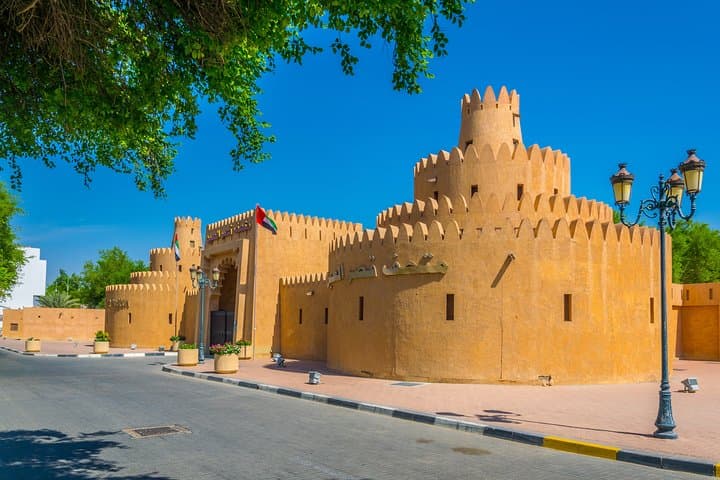
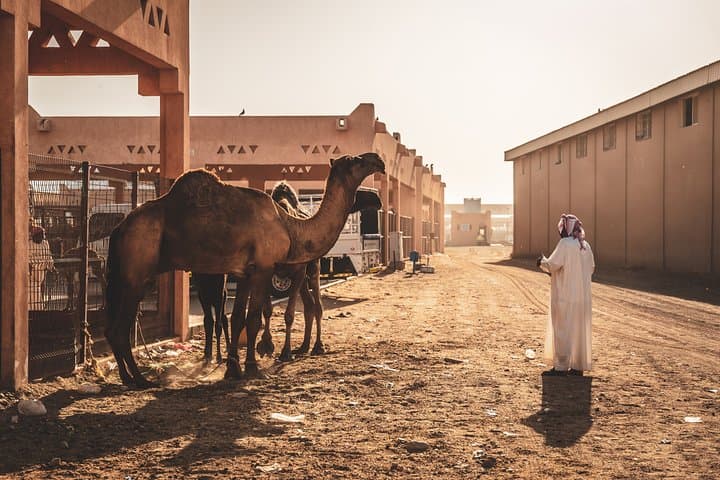
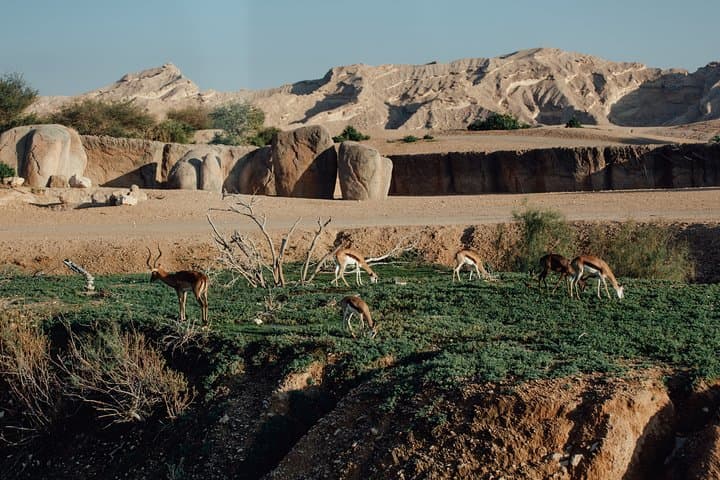
You step off a sun-warmed pavement into a quieter corner of the Emirati desert city — palms lean over shaded lanes, and the low stone of a fort watches the street like an old town elder. In two hours a local guide threads stories through places that reveal Al Ain’s mix of oasis life, strategic forts, and modern civic order.
You step off a sun-warmed pavement into a quieter corner of the Emirati desert city — palms lean over shaded lanes, and the low stone of a fort watches the street like an old town elder. In two hours a local guide threads stories through places that reveal Al Ain’s mix of oasis life, strategic forts, and modern civic order.
Al Ain is the United Arab Emirates’ UNESCO-listed cultural cluster: the Oasis groves, Al Jahili Fort, Hili archaeological sites and the foothills of Jebel Hafeet speak to millennia of human settlement and ingenious water management. Geologically the city sits at the edge of the Hajar foothills; the nearby Jebel Hafeet rises abruptly, its limestone layers visible on clear days, a dry spine that shaped ancient travel and settlement.
Culturally the city is quieter and more domestic than Abu Dhabi or Dubai — markets, date-palm falajs (irrigation channels), and the Al Ain National Museum show daily life and archaeological finds side by side. Expect intimate urban walking: paved streets, shaded courtyards, and compact museum rooms where a guide maps legends to artifacts.
Practical notes: the route is flat and covers roughly 2–3 km of easy walking across paved surfaces with frequent stops. Summer heat is extreme — early-morning or late-afternoon tours are best. Wear supportive walking shoes, carry at least 1 liter of water, and bring sun protection. The private guide will handle logistics and local anecdotes; bring curiosity and a modest dress sense for cultural sites. This is an efficient, sensory way to meet Al Ain’s history without the rush.