THE ADVENTURE COLLECTIVE® · Independent discovery and booking for outdoor travel

Explore Al Ain’s irrigated palm groves, 19th-century forts and the summit roads of Jebel Hafeet on a compact, full-day circuit. Expect shaded paths, archaeological sites, mountain views and a chance to soak at natural hot springs.
Explore Al Ain’s irrigated palm groves, 19th-century forts and the summit roads of Jebel Hafeet on a compact, full-day circuit. Expect shaded paths, archaeological sites, mountain views and a chance to soak at natural hot springs.
A low sun slices across rows of date palms as a minivan drops visitors at the edge of Al Ain Oasis. Dusty roads give way to shaded irrigation channels and a rhythm of falaj water whispering through trunks; the oasis feels like a living grid that still organizes life in this desert city.
Verified experiences and guided adventures in the surrounding area.
Operated by Arabian Explore Tours & Travels LLC · Al Ain, Abu Dhabi
A low sun slices across rows of date palms as a minivan drops visitors at the edge of Al Ain Oasis. Dusty roads give way to shaded irrigation channels and a rhythm of falaj water whispering through trunks; the oasis feels like a living grid that still organizes life in this desert city.
This full-day loop pairs the palm groves — a cultivated landscape of roughly 1,200 hectares with over 147,000 date palms — with the dry, limestone shoulders of Jebel Hafeet, which rises about 1,400 meters above the plains. Bronze Age tombs and archaeological mounds around Al Hili speak to millennia of human settlement, while 20th-century sites like Sheikh Zayed’s former palace offer a recent layer of national history.
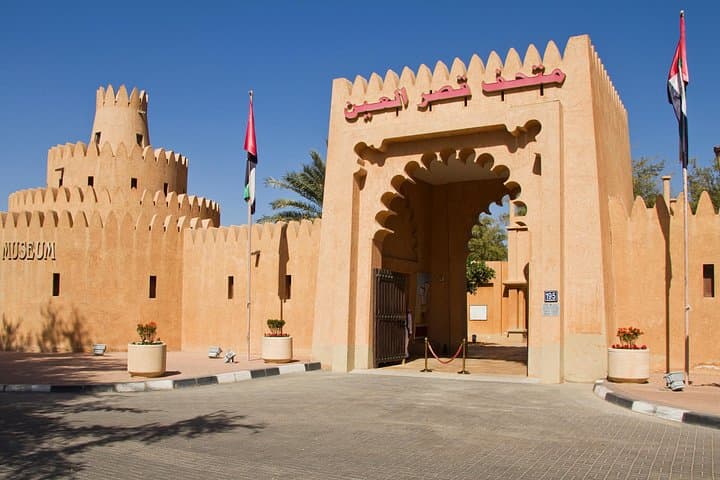
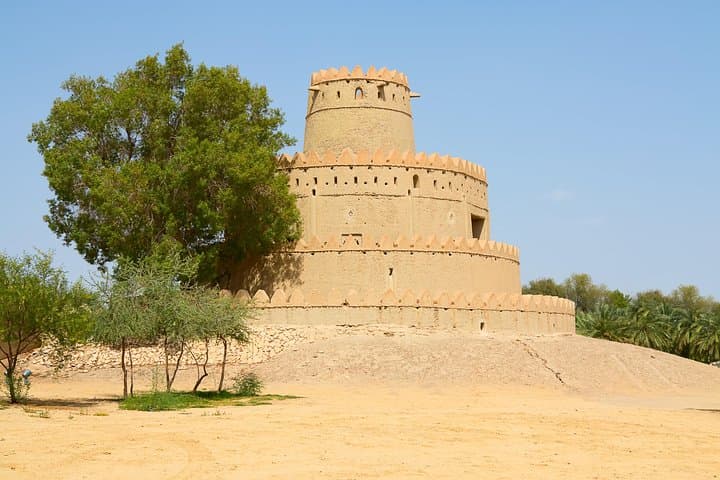
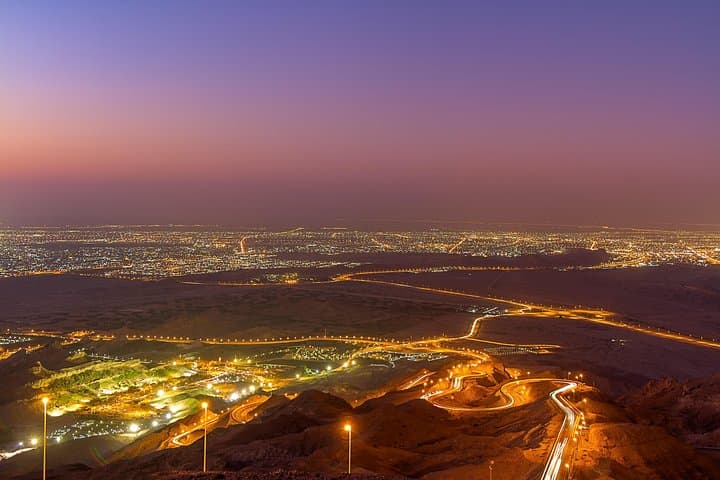
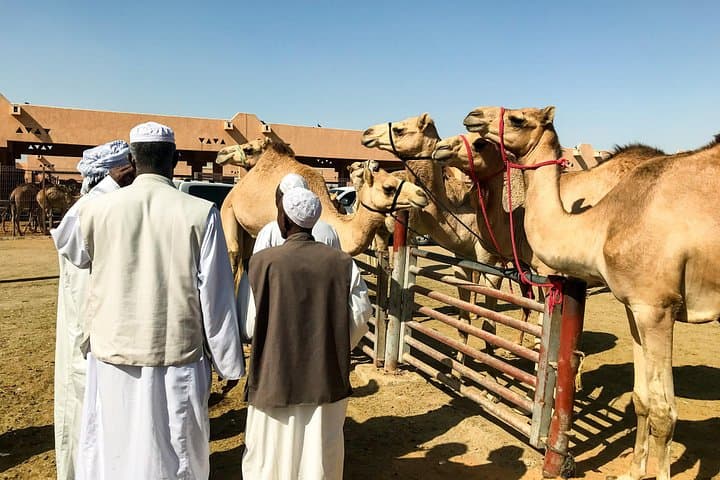
Stops typically include Al Ain Oasis, Al Ain Palace Museum (Sheikh Zayed’s former home), Al Jahili Fort, the camel and livestock market (seasonal), and the hot springs at Green Mubazzarah at Jebel Hafeet’s base. Trails on Jebel Hafeet are short but steep; the drive to the summit rewards with broad views across flat Abu Dhabi toward Oman.
Practical notes: plan for early starts to avoid midday heat, carry at least 2–3 liters of water, and wear closed-toe shoes for uneven historic sites. Photography is welcome at public sites but be respectful at markets and cultural venues. The tour is largely accessible and suits most fitness levels, but sun exposure, walking on gravel, and brief climbs mean sunscreen and stable footwear are non-negotiable. Timing your visit for cooler months makes the hot springs and mountain viewpoints far more enjoyable.
easy.
10 hours.
Suitable for most fitness levels; requires walking on uneven ground and brief climbs to viewpoints.
This is a full-day, roughly 10-hour tour that usually includes Al Ain Oasis, Al Ain Palace Museum, Al Jahili Fort, Jebel Hafeet viewpoints, Green Mubazzarah hot springs, and a stop at markets when available.
Yes — the itinerary is rated easy and largely accessible, but expect walking on uneven surfaces; the provider notes stroller and wheelchair accessibility in parts of the route.
The Green Mubazzarah area offers natural hot water streams and public pools at the base of Jebel Hafeet; bring swimwear and check local rules or closures before visiting.
Some sites may charge admission; many are included or optional on guided tours. If you plan to visit independently, check opening hours and buy tickets at the venue where possible.
Al Ain’s landscape preserves continuous human occupation from Bronze Age settlements to the 20th-century residence of Sheikh Zayed, whose palace is now a museum documenting the Emirate’s modern formation.
Water management via traditional falaj irrigation supports the oasis; visitors should conserve water and stick to marked paths to protect fragile soil and palm-root systems.
Arabian Explore Tours & Travels LLC operates guided outdoor trips and adventures with an emphasis on safety, stewardship, and memorable experiences.
A low sun slices across rows of date palms as a minivan drops visitors at the edge of Al Ain Oasis. Dusty roads give way to shaded irrigation channels and a rhythm of falaj water whispering through trunks; the oasis feels like a living grid that still organizes life in this desert city.
A low sun slices across rows of date palms as a minivan drops visitors at the edge of Al Ain Oasis. Dusty roads give way to shaded irrigation channels and a rhythm of falaj water whispering through trunks; the oasis feels like a living grid that still organizes life in this desert city.
This full-day loop pairs the palm groves — a cultivated landscape of roughly 1,200 hectares with over 147,000 date palms — with the dry, limestone shoulders of Jebel Hafeet, which rises about 1,400 meters above the plains. Bronze Age tombs and archaeological mounds around Al Hili speak to millennia of human settlement, while 20th-century sites like Sheikh Zayed’s former palace offer a recent layer of national history.
Stops typically include Al Ain Oasis, Al Ain Palace Museum (Sheikh Zayed’s former home), Al Jahili Fort, the camel and livestock market (seasonal), and the hot springs at Green Mubazzarah at Jebel Hafeet’s base. Trails on Jebel Hafeet are short but steep; the drive to the summit rewards with broad views across flat Abu Dhabi toward Oman.
Practical notes: plan for early starts to avoid midday heat, carry at least 2–3 liters of water, and wear closed-toe shoes for uneven historic sites. Photography is welcome at public sites but be respectful at markets and cultural venues. The tour is largely accessible and suits most fitness levels, but sun exposure, walking on gravel, and brief climbs mean sunscreen and stable footwear are non-negotiable. Timing your visit for cooler months makes the hot springs and mountain viewpoints far more enjoyable.