THE ADVENTURE COLLECTIVE® · Independent discovery and booking for outdoor travel

Drive from Dubai to Al Ain for a full-day cultural and natural tour featuring Jebel Hafeet, Al Ain Oasis, camel market visits and restored forts. This guided outing pairs short walks with scenic stops and local stories about the UAE's inland heritage.
Drive from Dubai to Al Ain for a full-day cultural and natural tour featuring Jebel Hafeet, Al Ain Oasis, camel market visits and restored forts. This guided outing pairs short walks with scenic stops and local stories about the UAE's inland heritage.
A low, ochre sunrise slides over the desert as the shuttle leaves Dubai and the road unfurls toward Al Ain — a city where water still dictates life. By midmorning the drive reaches the palm-lined avenues and shaded falaj channels of Al Ain Oasis, and the day's rhythm shifts from highway to history: cool palms, stone forts and a mountain road that climbs to the plateau of Jebel Hafeet.
Verified experiences and guided adventures in the surrounding area.
Operated by Hardrock Tourism · Al Ain, Abu Dhabi
A low, ochre sunrise slides over the desert as the shuttle leaves Dubai and the road unfurls toward Al Ain — a city where water still dictates life. By midmorning the drive reaches the palm-lined avenues and shaded falaj channels of Al Ain Oasis, and the day's rhythm shifts from highway to history: cool palms, stone forts and a mountain road that climbs to the plateau of Jebel Hafeet.
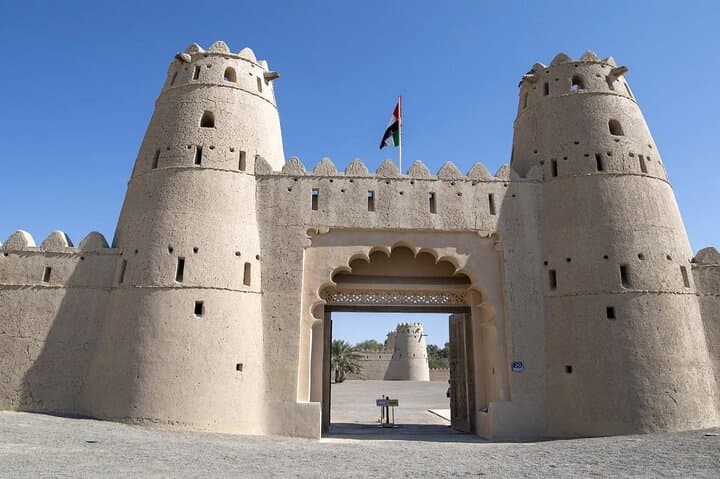
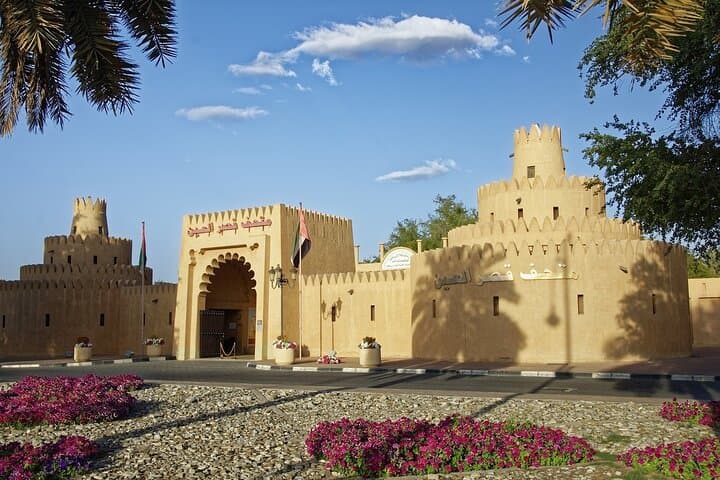
Al Ain's history reads in mudbrick and date palms. Archaeological tombs on Jebel Hafeet date to the Bronze Age, while restored sites like Qasr al Muwaiji and Al Jahili Fort trace the emergence of modern UAE leadership. Geologically, Jebel Hafeet is a limestone massif that rises abruptly from the desert plain, creating sweeping vantage points and thermal springs at Green Mubazzarah where groundwater meets surface heat.
Culturally the tour blends markets and museums: the camel market still functions as a living economy and a place to watch traditional horsemanship and trade, while museum houses preserve daily life of ruling families. Local guides explain falaj irrigation, the role of camels, and how hot springs shaped settlement patterns.
Practical guidance: expect a 7–8 hour outing from Dubai with several short walks at heritage sites and lookout stops on Jebel Hafeet. Wear sturdy walking shoes for uneven floors in forts, sun protection for exposed viewpoints, and carry water even though a bottle is provided. Timed right — early morning pick-up and a sunset pullout on Hafeet — the tour balances storytelling with accessible outdoor moments, offering a concise cultural snapshot of the UAE’s inland landscape.
easy.
7–8 hours.
Suitable for travelers in normal health; involves short walks and standing during site visits
The tour runs about 7–8 hours (420–480 minutes) and includes hotel pick-up in Dubai with return drop-off.
Admission is included for key sites listed such as Al Jahili Fort and Qasr al Muwaiji; some public areas like the oasis and Green Mubazzarah are open-access.
Yes—this tour is family-friendly and advertised as wheelchair and stroller accessible, though some heritage sites have uneven surfaces.
Operators note flexibility by request—contact them ahead to arrange adjustments, but total tour time remains approximately 7–8 hours.
Al Ain developed around perennial water sources and oasis agriculture; its restored forts and palaces reflect the transition from tribal emirate centers to modern statehood.
The falaj irrigation system at Al Ain Oasis is both a cultural heritage and a focus of conservation; visitors are encouraged to follow paths and avoid disturbing palms and irrigation channels.
Hardrock Tourism operates guided outdoor trips and adventures with an emphasis on safety, stewardship, and memorable experiences.
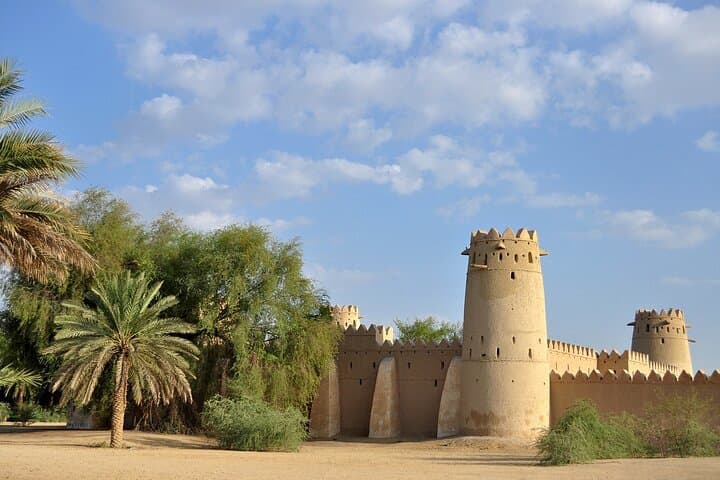
A low, ochre sunrise slides over the desert as the shuttle leaves Dubai and the road unfurls toward Al Ain — a city where water still dictates life. By midmorning the drive reaches the palm-lined avenues and shaded falaj channels of Al Ain Oasis, and the day's rhythm shifts from highway to history: cool palms, stone forts and a mountain road that climbs to the plateau of Jebel Hafeet.
A low, ochre sunrise slides over the desert as the shuttle leaves Dubai and the road unfurls toward Al Ain — a city where water still dictates life. By midmorning the drive reaches the palm-lined avenues and shaded falaj channels of Al Ain Oasis, and the day's rhythm shifts from highway to history: cool palms, stone forts and a mountain road that climbs to the plateau of Jebel Hafeet.
Al Ain's history reads in mudbrick and date palms. Archaeological tombs on Jebel Hafeet date to the Bronze Age, while restored sites like Qasr al Muwaiji and Al Jahili Fort trace the emergence of modern UAE leadership. Geologically, Jebel Hafeet is a limestone massif that rises abruptly from the desert plain, creating sweeping vantage points and thermal springs at Green Mubazzarah where groundwater meets surface heat.
Culturally the tour blends markets and museums: the camel market still functions as a living economy and a place to watch traditional horsemanship and trade, while museum houses preserve daily life of ruling families. Local guides explain falaj irrigation, the role of camels, and how hot springs shaped settlement patterns.
Practical guidance: expect a 7–8 hour outing from Dubai with several short walks at heritage sites and lookout stops on Jebel Hafeet. Wear sturdy walking shoes for uneven floors in forts, sun protection for exposed viewpoints, and carry water even though a bottle is provided. Timed right — early morning pick-up and a sunset pullout on Hafeet — the tour balances storytelling with accessible outdoor moments, offering a concise cultural snapshot of the UAE’s inland landscape.