THE ADVENTURE COLLECTIVE® · Independent discovery and booking for outdoor travel

An accessible full-day tour that pairs panoramic drives up Jebel Hafeet with historic forts, a UNESCO-style oasis, and the UAE’s largest camel market. Ideal for travelers wanting a single-day cultural and geological primer on Al Ain.
An accessible full-day tour that pairs panoramic drives up Jebel Hafeet with historic forts, a UNESCO-style oasis, and the UAE’s largest camel market. Ideal for travelers wanting a single-day cultural and geological primer on Al Ain.
You climb Jebel Hafeet’s switchbacks as the desert wind tries to push you back; the road rewards with a wide, arid panorama and a sudden coolness as elevation steals heat. Below, a ribbon of date palms marks the Al Ain Oasis, dark green against ochre sand. The day unfolds like a walking map through time — forts, a palace turned museum, and an active camel market where animals and traders keep an old rhythm alive.
Verified experiences and guided adventures in the surrounding area.
Operated by Riyago Tourism · Al Ain, Abu Dhabi
You climb Jebel Hafeet’s switchbacks as the desert wind tries to push you back; the road rewards with a wide, arid panorama and a sudden coolness as elevation steals heat. Below, a ribbon of date palms marks the Al Ain Oasis, dark green against ochre sand. The day unfolds like a walking map through time — forts, a palace turned museum, and an active camel market where animals and traders keep an old rhythm alive.
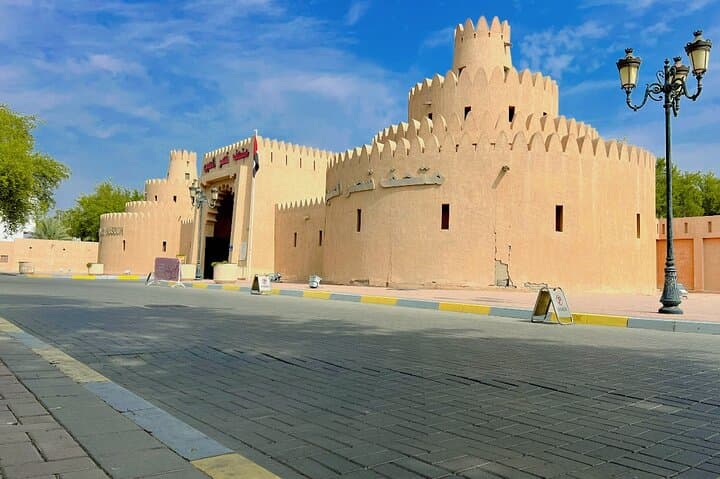
Al Ain’s story is rooted in water and stone. Bronze Age tombs and Hafit-period settlements cluster at the mountain’s feet; the rock of Jebel Hafeet is limestone and provides the slope that shapes local drainage and hot springs. Forts such as Al Jahili and Qasr Al Muwaiji reflect 19th–20th century defensive architecture and the rise of the ruling family; the Oasis preserves falaj irrigation techniques that sustained communities for centuries.
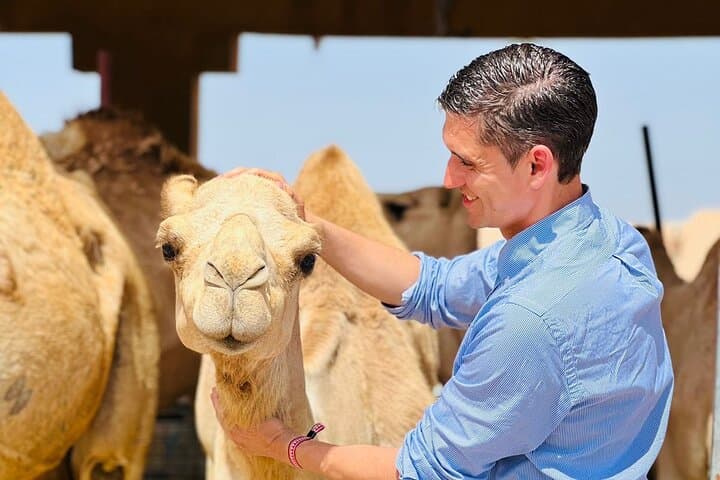
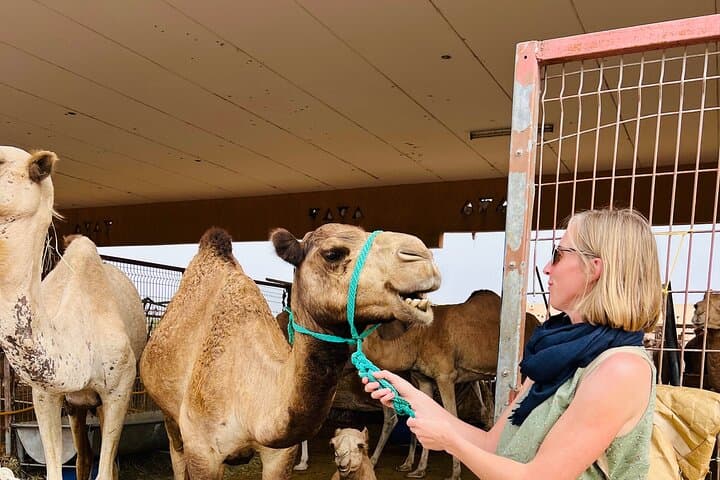
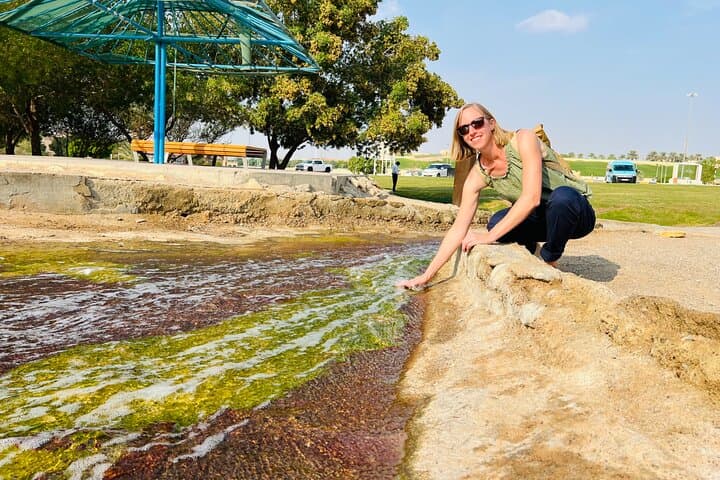
Culturally, the pace is deliberate: souks and markets move to human rhythm, and camel trading is both commerce and heritage. Green Mubazzarah’s springs offer a brief, shaded pause.
Practical guidance: the tour runs about eight hours with air-conditioned pickup and travel included. Expect short walks at each stop rather than long hikes; bring sun protection, at least 2 liters of water, and comfortable walking shoes for sandy, uneven surfaces. Some museums may be temporarily closed — check ahead. If visiting the camel market, allow extra cash and time for optional entry. Morning departures avoid the hottest part of the day; evening vistas from Jebel Hafeet are especially clear. This tour pairs easy logistics with layered cultural and geological context — a compact, readable introduction to Al Ain.
easy.
8 hours.
Suitable for most fitness levels; involves short, mostly flat walks and vehicle transfers
Some site admissions are included per itinerary, but several museums (including the Palace Museum and Al Ain National Museum) may be temporarily closed—confirm with the operator before travel.
Pickup is provided in an air-conditioned vehicle; the tour asks for a pickup point and WhatsApp contact for coordination.
The camel market is listed as optional and may require an on-site ticket purchase; bring cash and check availability on the day.
Yes—infants can ride in strollers and infant seats are available, but some sites have uneven terrain and steps.
Al Ain was a regional oasis hub long before modern borders; forts like Al Jahili and Qasr Al Muwaiji reflect both tribal defense and the emergence of the ruling family’s administrative center.
Water management is central: the oasis’s falaj irrigation is protected, and visitors are encouraged to conserve water and stay on marked paths to protect date palms and archaeological sites.
Riyago Tourism operates guided outdoor trips and adventures with an emphasis on safety, stewardship, and memorable experiences.
You climb Jebel Hafeet’s switchbacks as the desert wind tries to push you back; the road rewards with a wide, arid panorama and a sudden coolness as elevation steals heat. Below, a ribbon of date palms marks the Al Ain Oasis, dark green against ochre sand. The day unfolds like a walking map through time — forts, a palace turned museum, and an active camel market where animals and traders keep an old rhythm alive.
You climb Jebel Hafeet’s switchbacks as the desert wind tries to push you back; the road rewards with a wide, arid panorama and a sudden coolness as elevation steals heat. Below, a ribbon of date palms marks the Al Ain Oasis, dark green against ochre sand. The day unfolds like a walking map through time — forts, a palace turned museum, and an active camel market where animals and traders keep an old rhythm alive.
Al Ain’s story is rooted in water and stone. Bronze Age tombs and Hafit-period settlements cluster at the mountain’s feet; the rock of Jebel Hafeet is limestone and provides the slope that shapes local drainage and hot springs. Forts such as Al Jahili and Qasr Al Muwaiji reflect 19th–20th century defensive architecture and the rise of the ruling family; the Oasis preserves falaj irrigation techniques that sustained communities for centuries.
Culturally, the pace is deliberate: souks and markets move to human rhythm, and camel trading is both commerce and heritage. Green Mubazzarah’s springs offer a brief, shaded pause.
Practical guidance: the tour runs about eight hours with air-conditioned pickup and travel included. Expect short walks at each stop rather than long hikes; bring sun protection, at least 2 liters of water, and comfortable walking shoes for sandy, uneven surfaces. Some museums may be temporarily closed — check ahead. If visiting the camel market, allow extra cash and time for optional entry. Morning departures avoid the hottest part of the day; evening vistas from Jebel Hafeet are especially clear. This tour pairs easy logistics with layered cultural and geological context — a compact, readable introduction to Al Ain.