THE ADVENTURE COLLECTIVE® · Independent discovery and booking for outdoor travel

Escape Dubai for a full-day deep dive into Al Ain: climb Jebel Hafeet, walk shaded palm-lined falaj channels in Al Ain Oasis, and browse the lively Camel Market. This practical guide covers history, geology, and the gear and timing you need for a smooth day trip.
Escape Dubai for a full-day deep dive into Al Ain: climb Jebel Hafeet, walk shaded palm-lined falaj channels in Al Ain Oasis, and browse the lively Camel Market. This practical guide covers history, geology, and the gear and timing you need for a smooth day trip.
You drive out of Dubai before dawn, the city’s glass edges shrinking behind you as the desert opens and the craggy flank of Jebel Hafeet appears like an old, patient guard. The road climbs and the air cools; at the summit the plain unfurls below, wind pushing at you as if daring you to stay.
Verified experiences and guided adventures in the surrounding area.
Operated by Navita tours · Al Ain, Abu Dhabi
You drive out of Dubai before dawn, the city’s glass edges shrinking behind you as the desert opens and the craggy flank of Jebel Hafeet appears like an old, patient guard. The road climbs and the air cools; at the summit the plain unfurls below, wind pushing at you as if daring you to stay.
Al Ain’s human story reaches back to at least 3000 BC—excavations around the Hili Gardens revealed Bronze Age tombs—and the city is one of the UAE sites on UNESCO’s World Heritage List. Geologically, Jebel Hafeet is an exposed limestone uplift forming the eastern margin of the Oman Mountain chain; the mountain’s layered rock and natural hot springs in Green Mubazzarah reflect a landscape carved by tectonics and desert heat.
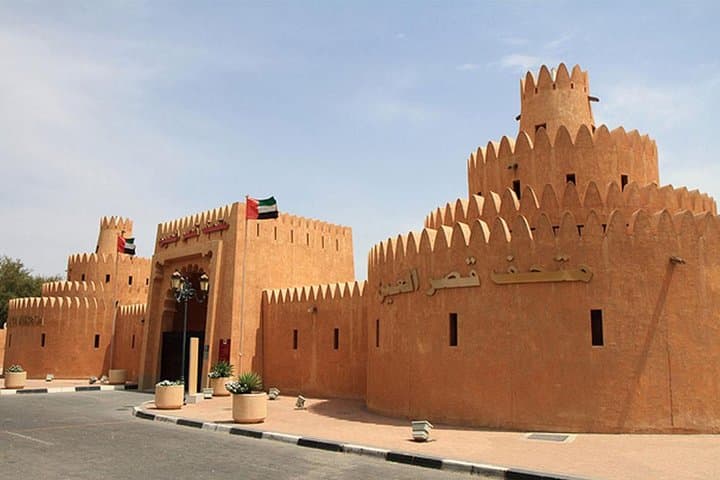
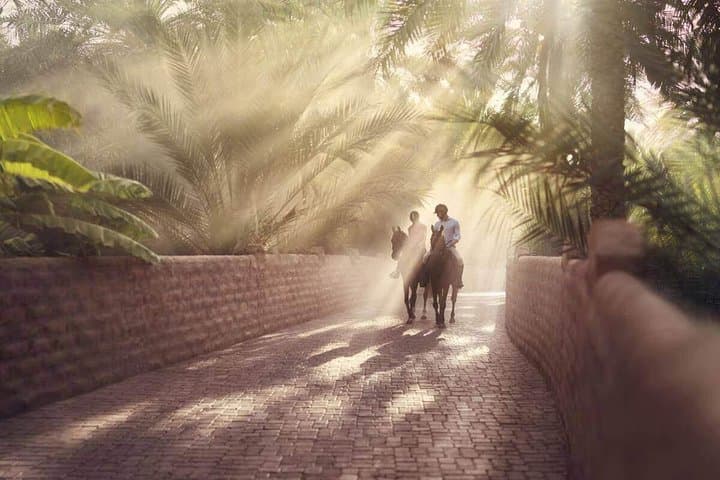
Culturally the day is a study in contrasts: shaded palm canals of the Al Ain Oasis, the orderly displays inside the Al Ain National Museum, then the raw, noisy commerce of the Camel Market. You’ll see royal-era architecture at Sheikh Zayed’s palace and the city’s emphasis on education and agriculture in its public parks.
Practical guidance: plan for a long day—expect around 10 hours with multiple stops and motel- or hotel-based pickups from Dubai. Wear firm walking shoes for museum grounds and the oasis paths, bring high-SPF sunscreen and at least 1.5 liters of water, and time the camel market for morning when activity peaks. If you want the summit road experience, check vehicle access and drive conditions for four-wheel or guided ascent. Finally, respect protected sites, keep to marked paths, and carry small change for market purchases.
easy.
10 hours.
Appropriate for most fitness levels; expect light walking at multiple stops and short stair sections in museums and forts
The tour runs roughly 10 hours and usually includes Al Ain Museum, Al Ain Oasis, Al Ain Fort/Sheikh Zayed Palace Museum, the Camel Market, Green Mubazzarah hot springs, Jebel Hafeet summit and key viewpoints.
Entrance to Al Ain Zoo is often not included—confirm at booking and expect to pay admission separately if you plan to visit.
Yes—most operators provide pick-up and drop-off from Dubai hotels; specify your pickup point when booking.
Yes, the itinerary is rated easy with minimal strenuous activity, though the day is long and some sites involve walking and stairs.
Al Ain has been inhabited since the Bronze Age and its archaeological sites and falaj irrigation systems helped earn the area UNESCO World Heritage recognition.
Water scarcity shapes local conservation: falaj canals are maintained to preserve traditional irrigation and visitors are asked to avoid wasting water and to stay on marked trails to protect fragile archaeological deposits.
Navita tours operates guided outdoor trips and adventures with an emphasis on safety, stewardship, and memorable experiences.
You drive out of Dubai before dawn, the city’s glass edges shrinking behind you as the desert opens and the craggy flank of Jebel Hafeet appears like an old, patient guard. The road climbs and the air cools; at the summit the plain unfurls below, wind pushing at you as if daring you to stay.
You drive out of Dubai before dawn, the city’s glass edges shrinking behind you as the desert opens and the craggy flank of Jebel Hafeet appears like an old, patient guard. The road climbs and the air cools; at the summit the plain unfurls below, wind pushing at you as if daring you to stay.
Al Ain’s human story reaches back to at least 3000 BC—excavations around the Hili Gardens revealed Bronze Age tombs—and the city is one of the UAE sites on UNESCO’s World Heritage List. Geologically, Jebel Hafeet is an exposed limestone uplift forming the eastern margin of the Oman Mountain chain; the mountain’s layered rock and natural hot springs in Green Mubazzarah reflect a landscape carved by tectonics and desert heat.
Culturally the day is a study in contrasts: shaded palm canals of the Al Ain Oasis, the orderly displays inside the Al Ain National Museum, then the raw, noisy commerce of the Camel Market. You’ll see royal-era architecture at Sheikh Zayed’s palace and the city’s emphasis on education and agriculture in its public parks.
Practical guidance: plan for a long day—expect around 10 hours with multiple stops and motel- or hotel-based pickups from Dubai. Wear firm walking shoes for museum grounds and the oasis paths, bring high-SPF sunscreen and at least 1.5 liters of water, and time the camel market for morning when activity peaks. If you want the summit road experience, check vehicle access and drive conditions for four-wheel or guided ascent. Finally, respect protected sites, keep to marked paths, and carry small change for market purchases.