THE ADVENTURE COLLECTIVE® · Independent discovery and booking for outdoor travel

A private full-day drive from Dubai into Al Ain’s cool oases, forts and Jebel Hafeet offers a compact window into 7,000 years of human history, irrigation technology and Emirati culture. Expect shaded palms, Bronze Age tombs and commanding mountain views.
A private full-day drive from Dubai into Al Ain’s cool oases, forts and Jebel Hafeet offers a compact window into 7,000 years of human history, irrigation technology and Emirati culture. Expect shaded palms, Bronze Age tombs and commanding mountain views.
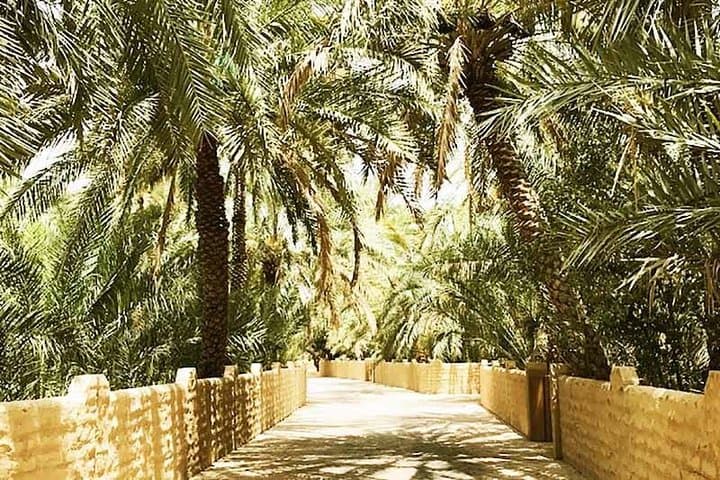
The morning light hits the palm rows first: Al Ain’s oasis breathes out cool, damp air that pushes against the desert heat like a living thing. You arrive by private vehicle, the city’s wide avenues unrolling past shaded parks, date palms and the low-slung geometry of forts and traditional houses.
Verified experiences and guided adventures in the surrounding area.
Operated by Sam Travel & Events · Al Ain, Abu Dhabi
The morning light hits the palm rows first: Al Ain’s oasis breathes out cool, damp air that pushes against the desert heat like a living thing. You arrive by private vehicle, the city’s wide avenues unrolling past shaded parks, date palms and the low-slung geometry of forts and traditional houses.
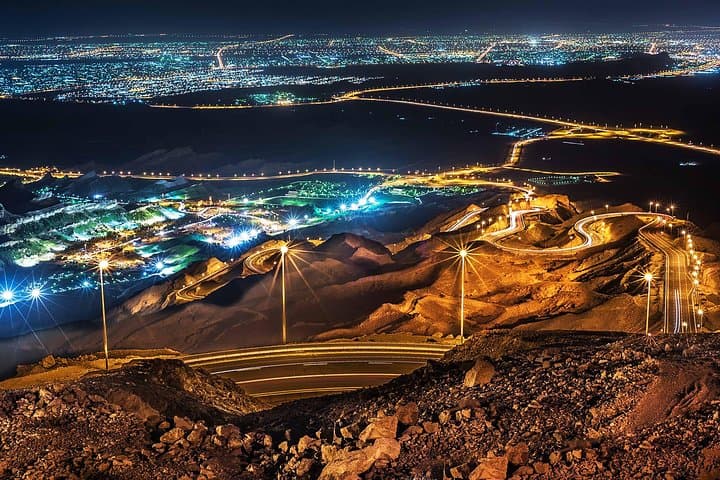
This city is older than many modern states — human presence here stretches back millennia. Hili’s Bronze Age tombs and falaj irrigation channels hint at a landscape shaped by groundwater and human ingenuity; Jebel Hafeet, the Emirate’s highest peak, is limestone folded and uplifted, its crags watching over the plain.
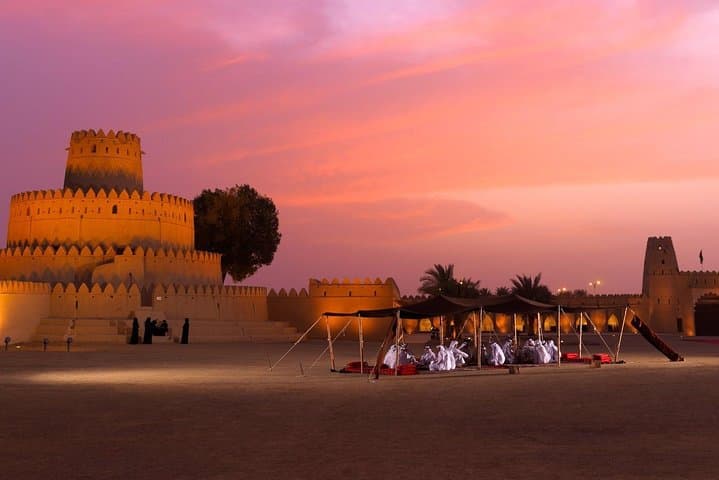
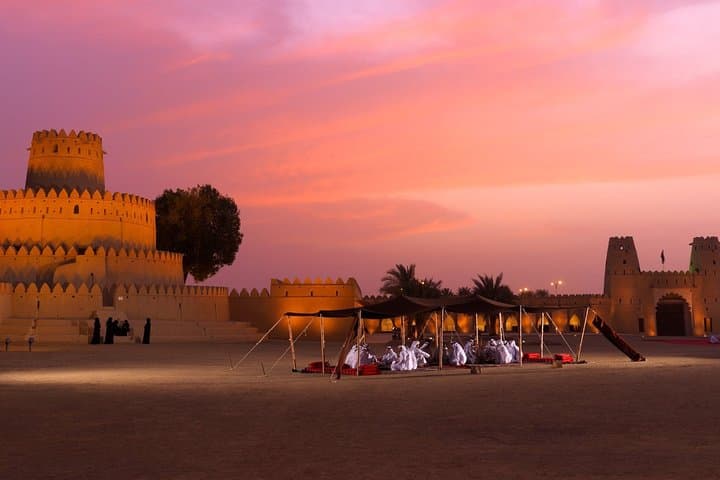
Culture here balances Bedouin roots with the 20th-century projects of the Al Nahyan family: visit Sheikh Zayed’s house and Al Jahili Fort to see defensive stonework and early 1900s domestic life. The Green Mubazzarah springs under Hafeet and the shaded paths through Al Ain Oasis reveal the falaj system that still dictates planting and daily rhythms.
Practical guidance: this is a full-day, easy-paced itinerary accessed by private transport, with several short walks on firm paths and some stairs in forts and museums. Start early in summer to avoid peak heat; bring 2–3 liters of water, sun protection, a light scarf for conservative sites, and comfortable shoes for uneven stone floors. Museums and archaeological parks have set opening hours and modest dress expectations; cash or card works for small purchases.
The tour gives a clear, human-scale picture of how water and rock shaped settlement here — an accessible day that mixes geology, archaeology and quiet green spaces.
easy.
7–8 hours.
Suitable for most fitness levels; requires short walks on flat and some uneven stone surfaces.
This is a full-day private tour (about 7–8 hours) covering Al Ain Oasis, Sheikh Zayed’s house, Al Jahili Fort, Hili archaeological park, Jebel Hafeet viewpoints and nearby recreation spots.
The listed itinerary indicates admission tickets are included, but confirm with your operator at booking for any optional extras.
Many sites have accessible areas and the tour is described as wheelchair and stroller accessible, though some forts and archaeological mounds have stairs or uneven ground.
Cards are widely accepted in Al Ain, but bring some UAE dirhams for small purchases, tips or vendors at local markets.
Al Ain’s oasis settlements date back several millennia; Hili park preserves Bronze Age tombs and irrigation traces showing early desert agriculture.
Water is a scarce resource—respect falaj channels and shaded plantations; tourism impacts archaeological sites, so stay on marked paths and follow guides’ instructions.
Sam Travel & Events operates guided outdoor trips and adventures with an emphasis on safety, stewardship, and memorable experiences.
The morning light hits the palm rows first: Al Ain’s oasis breathes out cool, damp air that pushes against the desert heat like a living thing. You arrive by private vehicle, the city’s wide avenues unrolling past shaded parks, date palms and the low-slung geometry of forts and traditional houses.
The morning light hits the palm rows first: Al Ain’s oasis breathes out cool, damp air that pushes against the desert heat like a living thing. You arrive by private vehicle, the city’s wide avenues unrolling past shaded parks, date palms and the low-slung geometry of forts and traditional houses.
This city is older than many modern states — human presence here stretches back millennia. Hili’s Bronze Age tombs and falaj irrigation channels hint at a landscape shaped by groundwater and human ingenuity; Jebel Hafeet, the Emirate’s highest peak, is limestone folded and uplifted, its crags watching over the plain.
Culture here balances Bedouin roots with the 20th-century projects of the Al Nahyan family: visit Sheikh Zayed’s house and Al Jahili Fort to see defensive stonework and early 1900s domestic life. The Green Mubazzarah springs under Hafeet and the shaded paths through Al Ain Oasis reveal the falaj system that still dictates planting and daily rhythms.
Practical guidance: this is a full-day, easy-paced itinerary accessed by private transport, with several short walks on firm paths and some stairs in forts and museums. Start early in summer to avoid peak heat; bring 2–3 liters of water, sun protection, a light scarf for conservative sites, and comfortable shoes for uneven stone floors. Museums and archaeological parks have set opening hours and modest dress expectations; cash or card works for small purchases.
The tour gives a clear, human-scale picture of how water and rock shaped settlement here — an accessible day that mixes geology, archaeology and quiet green spaces.