THE ADVENTURE COLLECTIVE® · Independent discovery and booking for outdoor travel

Leave Akureyri’s glow behind and head into the Icelandic night in search of the Aurora Borealis. This guided coach tour balances patient sky watching with practical comforts—hot drinks, blankets and expert route choices—to maximize your chances of seeing the northern lights.
Leave Akureyri’s glow behind and head into the Icelandic night in search of the Aurora Borealis. This guided coach tour balances patient sky watching with practical comforts—hot drinks, blankets and expert route choices—to maximize your chances of seeing the northern lights.
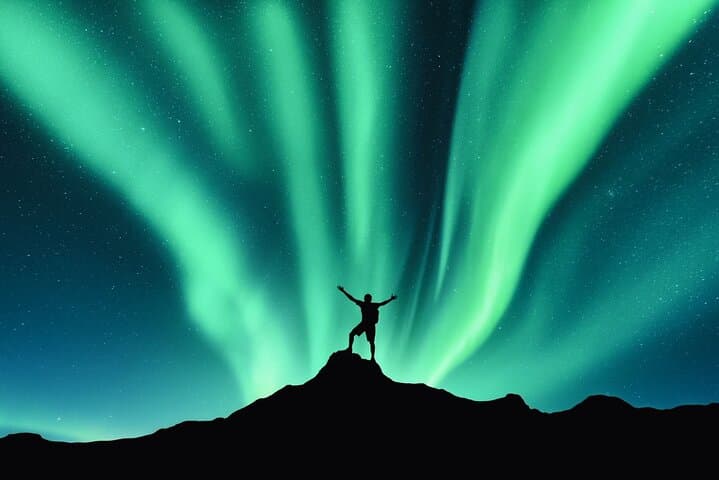
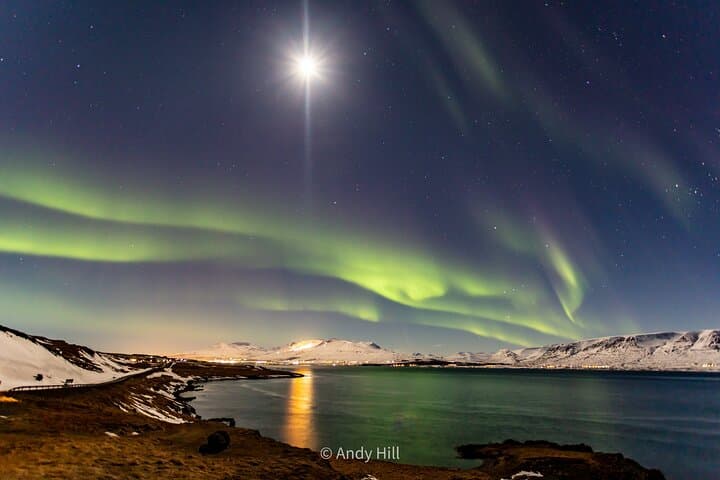
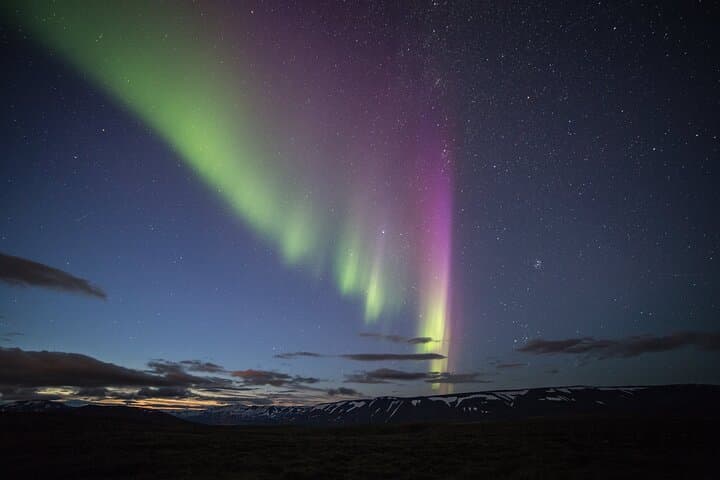
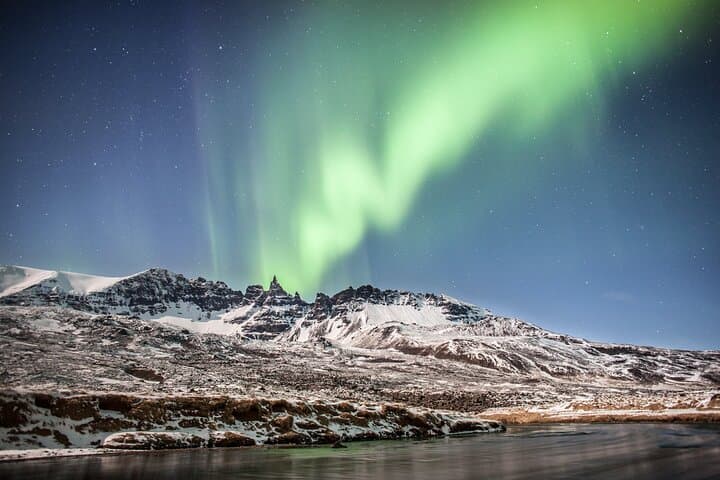
A cold bus eases out of Akureyri after dark, headlights slicing the low Arctic air while passengers press faces to windows. The town's sodium street lamps dim into a scattering of farms and coastal lights, and the sky becomes the stage—black, waiting, then alive. The aurora doesn’t perform on schedule; it teases and then unfurls ribbons, green and pink, that seem to tug at the horizon.
Verified experiences and guided adventures in the surrounding area.
Operated by The Traveling Viking · Akureyri, Norðurland eystra
A cold bus eases out of Akureyri after dark, headlights slicing the low Arctic air while passengers press faces to windows. The town's sodium street lamps dim into a scattering of farms and coastal lights, and the sky becomes the stage—black, waiting, then alive. The aurora doesn’t perform on schedule; it teases and then unfurls ribbons, green and pink, that seem to tug at the horizon.
Icelanders have watched these lights for centuries. The Greeks called it the Dance of the Spirits; medieval Europeans read omens into the glow. Locally, sagas and folklore once described angelic dresses painting the heavens, a cultural shorthand for weather and fate. Geologically, Akureyri sits at the northern edge of the Mid-Atlantic Ridge; volcanic activity and clear, high-latitude skies combine to make northern Iceland a reliable aurora corridor.
On a guided coach hunt you’ll travel 20–60 minutes from town into darker valleys and coastal flats, stopping where cloud cover thins and the horizon opens. Guides scan forecasts, adjust routes, and hand out hot drinks and blankets; the experience centers on patience, light discipline, and timing.
Practical tips: layer for wind and sea spray, bring a camera with manual settings and a tripod or use a steady surface, and expect 2–3 hours round trip. Dress in windproof, insulated layers and plan for changing conditions—clear sky can turn cloudy quickly. Respect private roads and livestock, follow your guide’s directions, and savor the slow dance: auroral arcs can appear suddenly and vanish just as fast, daring you to watch.
easy.
2–3 hours.
Suitable for all fitness levels; largely seated transfers with short standing and walking breaks
The tour is approximately 150 minutes (about 2.5 hours) including pickup, driving to dark spots, and time to photograph the aurora.
Peak visibility runs from late September to March when nights are long and geomagnetic activity is higher; guides use forecasts to choose the best nights.
Yes; the tour is family-friendly and provides infant seats and blankets, but check age limits with the operator for comfort considerations.
Tours may be canceled or rescheduled for weather or low visibility; check the operator's cancellation policy for refunds and rebooking options.
Locally the aurora inspired sagas and folk stories; early settlers read the lights as signs tied to weather and fate.
Tours prioritize dark-sky spots to reduce light pollution; follow Leave No Trace, stay on roads, and avoid disturbing livestock or nesting birds.
The Traveling Viking operates guided outdoor trips and adventures with an emphasis on safety, stewardship, and memorable experiences.
A cold bus eases out of Akureyri after dark, headlights slicing the low Arctic air while passengers press faces to windows. The town's sodium street lamps dim into a scattering of farms and coastal lights, and the sky becomes the stage—black, waiting, then alive. The aurora doesn’t perform on schedule; it teases and then unfurls ribbons, green and pink, that seem to tug at the horizon.
A cold bus eases out of Akureyri after dark, headlights slicing the low Arctic air while passengers press faces to windows. The town's sodium street lamps dim into a scattering of farms and coastal lights, and the sky becomes the stage—black, waiting, then alive. The aurora doesn’t perform on schedule; it teases and then unfurls ribbons, green and pink, that seem to tug at the horizon.
Icelanders have watched these lights for centuries. The Greeks called it the Dance of the Spirits; medieval Europeans read omens into the glow. Locally, sagas and folklore once described angelic dresses painting the heavens, a cultural shorthand for weather and fate. Geologically, Akureyri sits at the northern edge of the Mid-Atlantic Ridge; volcanic activity and clear, high-latitude skies combine to make northern Iceland a reliable aurora corridor.
On a guided coach hunt you’ll travel 20–60 minutes from town into darker valleys and coastal flats, stopping where cloud cover thins and the horizon opens. Guides scan forecasts, adjust routes, and hand out hot drinks and blankets; the experience centers on patience, light discipline, and timing.
Practical tips: layer for wind and sea spray, bring a camera with manual settings and a tripod or use a steady surface, and expect 2–3 hours round trip. Dress in windproof, insulated layers and plan for changing conditions—clear sky can turn cloudy quickly. Respect private roads and livestock, follow your guide’s directions, and savor the slow dance: auroral arcs can appear suddenly and vanish just as fast, daring you to watch.