THE ADVENTURE COLLECTIVE® · Independent discovery and booking for outdoor travel

Explore aromatic terraces, an essential-oils workshop and a spring-fed pool on a compact two-hour visit to Akoursos Botanic Garden. Perfect for travelers who want a sensory introduction to Mediterranean herbs and a short, accessible outdoor excursion.
Explore aromatic terraces, an essential-oils workshop and a spring-fed pool on a compact two-hour visit to Akoursos Botanic Garden. Perfect for travelers who want a sensory introduction to Mediterranean herbs and a short, accessible outdoor excursion.
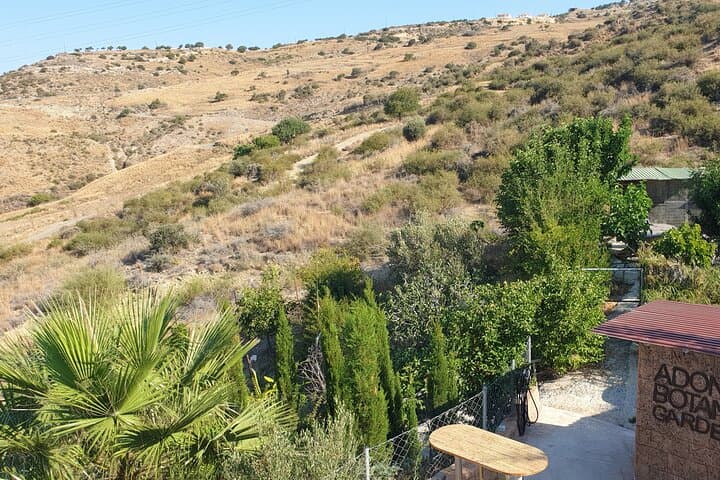
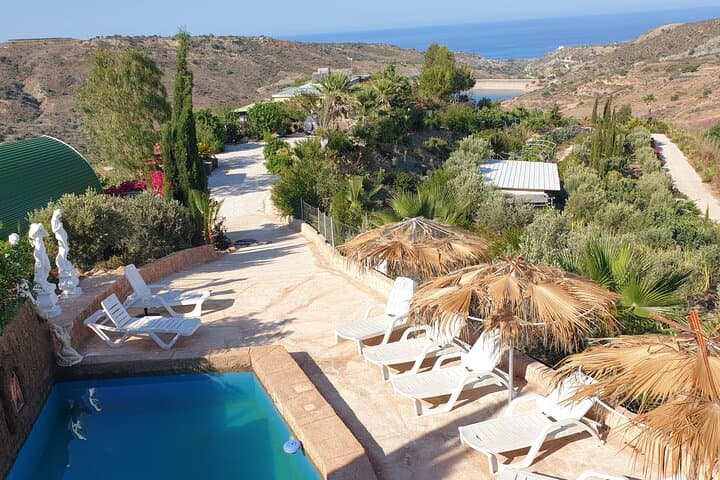
You step through an arched gate and the slope opens: terraces of rosemary and lavender lean toward the sea like curious listeners, the valley below folding into the blue of the Mediterranean. Water from the garden’s springs murmurs over stone, inviting a slow pause before the guided walk begins.
Verified experiences and guided adventures in the surrounding area.
Operated by ADONIS Botanic Garden · Akoursos, Paphos District
You step through an arched gate and the slope opens: terraces of rosemary and lavender lean toward the sea like curious listeners, the valley below folding into the blue of the Mediterranean. Water from the garden’s springs murmurs over stone, inviting a slow pause before the guided walk begins.
The garden occupies land shaped by Paphos’s limestone ridges and the seasonal streams that carved small valleys here. Flower beds sit beside relics — an old olive press and waterwheel — that speak to a long rural craft tradition. The resident herbalist explains local uses for wild thyme, sage and rose, linking ancient Mediterranean folk remedies to modern essential-oil distillation practiced on site.
Cultural touches are simple and direct: a small village museum, peacocks in the farmyard and a chapel on a ridge with views to the dam and sea. Geologically, the area’s porous, calcareous soils favor aromatic shrubs and drought-tolerant trees that perfume the breeze.
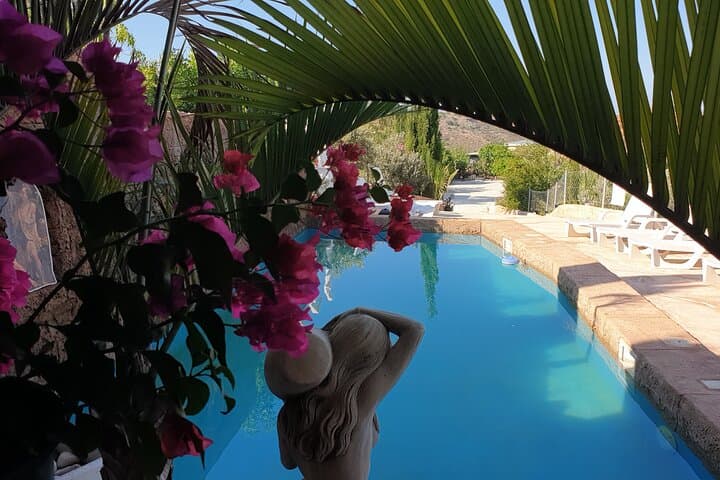
Practically, the two-hour visit mixes a guided plant tour, a 25-minute essential-oils workshop, a chance to swim in the spring-fed pool and time to browse a garden shop. Paths are mostly short, paved or compacted stone with steps; the tour is accessible to most fitness levels and has wheelchair access where noted. Wear sturdy sandals or trainers, bring a sun layer and water, and plan to arrive before midday in summer to avoid peak heat. The experience pairs sensory learning with a cool dip — a compact, low-impact way to learn about Mediterranean botany and traditional island life.
easy.
2 hours.
Suitable for most fitness levels; involves short walks and some steps—no sustained climbing required
Parts of the garden and transport options are wheelchair accessible; some terraces and historic features involve steps—notify the operator about mobility needs when booking.
The workshop includes concentrated plant extracts; inform staff of allergies in advance and avoid handling samples if advised by the herbalist.
Swimming in the spring-fed pool is part of the visit experience—bring swimwear; lifeguards are not typically on duty so exercise personal caution.
Tours are generally conducted in English; confirm language availability at booking or request assistance for other languages where possible.
The site integrates traditional village technology—an old olive press and waterwheel—reflecting centuries of small-scale Mediterranean agriculture and craft in the Paphos region.
The garden emphasizes native and drought-tolerant plants to reduce irrigation needs; visitors are encouraged to follow leave-no-trace practices and avoid picking specimens.
ADONIS Botanic Garden operates guided outdoor trips and adventures with an emphasis on safety, stewardship, and memorable experiences.

You step through an arched gate and the slope opens: terraces of rosemary and lavender lean toward the sea like curious listeners, the valley below folding into the blue of the Mediterranean. Water from the garden’s springs murmurs over stone, inviting a slow pause before the guided walk begins.
You step through an arched gate and the slope opens: terraces of rosemary and lavender lean toward the sea like curious listeners, the valley below folding into the blue of the Mediterranean. Water from the garden’s springs murmurs over stone, inviting a slow pause before the guided walk begins.
The garden occupies land shaped by Paphos’s limestone ridges and the seasonal streams that carved small valleys here. Flower beds sit beside relics — an old olive press and waterwheel — that speak to a long rural craft tradition. The resident herbalist explains local uses for wild thyme, sage and rose, linking ancient Mediterranean folk remedies to modern essential-oil distillation practiced on site.
Cultural touches are simple and direct: a small village museum, peacocks in the farmyard and a chapel on a ridge with views to the dam and sea. Geologically, the area’s porous, calcareous soils favor aromatic shrubs and drought-tolerant trees that perfume the breeze.
Practically, the two-hour visit mixes a guided plant tour, a 25-minute essential-oils workshop, a chance to swim in the spring-fed pool and time to browse a garden shop. Paths are mostly short, paved or compacted stone with steps; the tour is accessible to most fitness levels and has wheelchair access where noted. Wear sturdy sandals or trainers, bring a sun layer and water, and plan to arrive before midday in summer to avoid peak heat. The experience pairs sensory learning with a cool dip — a compact, low-impact way to learn about Mediterranean botany and traditional island life.