THE ADVENTURE COLLECTIVE® · Independent discovery and booking for outdoor travel

Customize a private 3–6 hour walk through Akihabara’s neon maze—arcades, Radio Kaikan, maid cafés, and the tranquil Kanda Myojin. Perfect for anime fans and retro gamers who want insider stops and flexible pickup/drop-off.
Customize a private 3–6 hour walk through Akihabara’s neon maze—arcades, Radio Kaikan, maid cafés, and the tranquil Kanda Myojin. Perfect for anime fans and retro gamers who want insider stops and flexible pickup/drop-off.
You step out of JR Akihabara Station and the street hits you like a live wire—neon signs blink, arcade music pulses, and costumed characters move through crowds selling erasable moments of fandom. This private walking tour hands you the map and lets you choose the stops: retro arcades, Radio Kaikan’s stacked floors, a maid café performance, and the quiet, shrine-lined contrast at Kanda Myojin.
Verified experiences and guided adventures in the surrounding area.
Operated by Venus · Tokyo, Tokyo
You step out of JR Akihabara Station and the street hits you like a live wire—neon signs blink, arcade music pulses, and costumed characters move through crowds selling erasable moments of fandom. This private walking tour hands you the map and lets you choose the stops: retro arcades, Radio Kaikan’s stacked floors, a maid café performance, and the quiet, shrine-lined contrast at Kanda Myojin.
Akihabara’s spine was laid in the postwar years as an electronics market; by the 1980s it had evolved into Japan’s pop-culture crossroads. Geologically, Tokyo’s eastern districts sit on low-lying alluvial plains near the Kanda River, so the neighborhood’s dense, vertical shops grew upward rather than outward. Culturally, Akihabara is equal parts collector’s market and living subculture—shops sell limited figures, secondhand games, and niche goods that signal insider knowledge.
Local insights: Radio Kaikan rewards patient browsing for rare collectibles; arcades like SEGA offer coin-op classics alongside modern rhythm games; Kanda Myojin provides a slower, traditional counterpoint and is a popular spot for anime-related prayers.
Practical guidance: choose a 3–6 hour window depending on how deep you want to dig—collecting vinyl figures takes time. Bring yen for cash-only stalls and small purchases, carry a portable charger for photos and translation apps, and book maid cafés in advance if you want a guaranteed seat. Wear comfortable shoes—expect standing and stairs—and set a meeting point for pickup/drop-off if you’re moving on after the tour.
easy.
3–6 hours.
Light walking and standing; suitable for most fitness levels but not recommended for those with mobility limitations.
Yes—the tour offers pickup and drop-off within the operator’s service area; confirm your exact pickup point when booking.
Absolutely—guides operate in English and Japanese and can tailor the route to a beginner-friendly pace and interests.
Visits are included but admission, food, and optional extras (photos, performances) are typically paid on-site by guests.
This tour is not recommended for those with mobility issues due to stairs and crowded streets; check with the operator for specific accessibility options.
Akihabara grew after WWII as a cluster of electronics retailers and evolved into a center of otaku culture by the 1980s; Kanda Myojin shrine nearby has long-standing ties to the district.
Akihabara is an urban environment—minimize waste from food and packaging, respect shop displays, and follow local etiquette to reduce the neighborhood’s stress from tourism.
Venus operates guided outdoor trips and adventures with an emphasis on safety, stewardship, and memorable experiences.
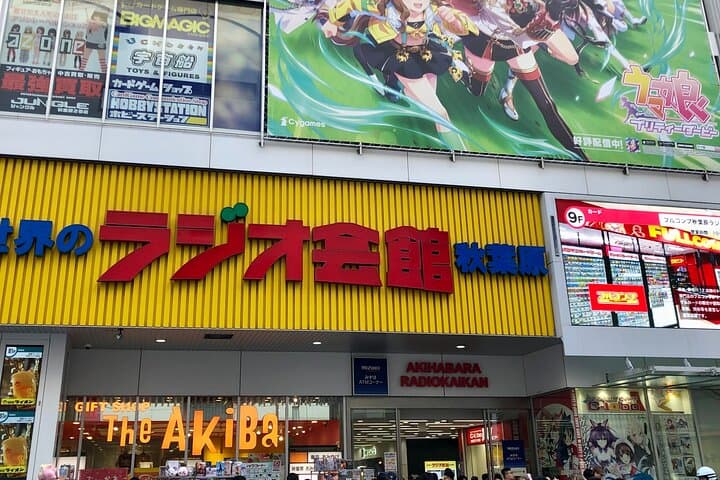
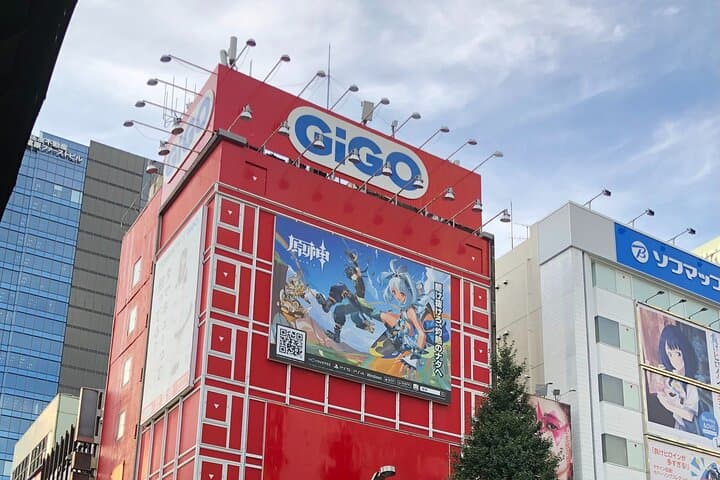
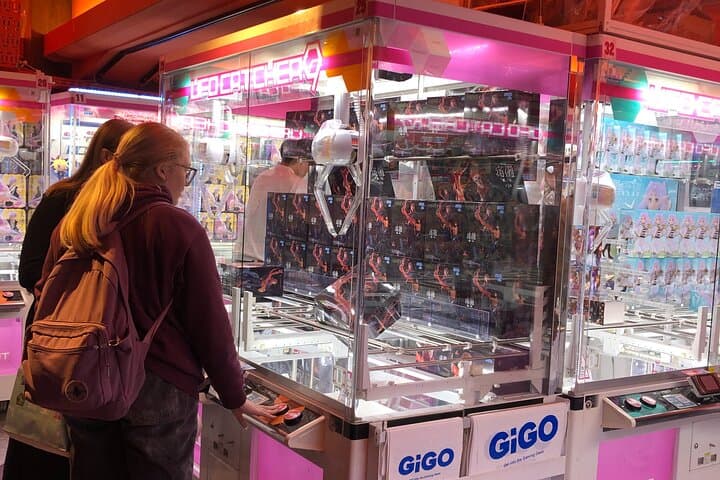
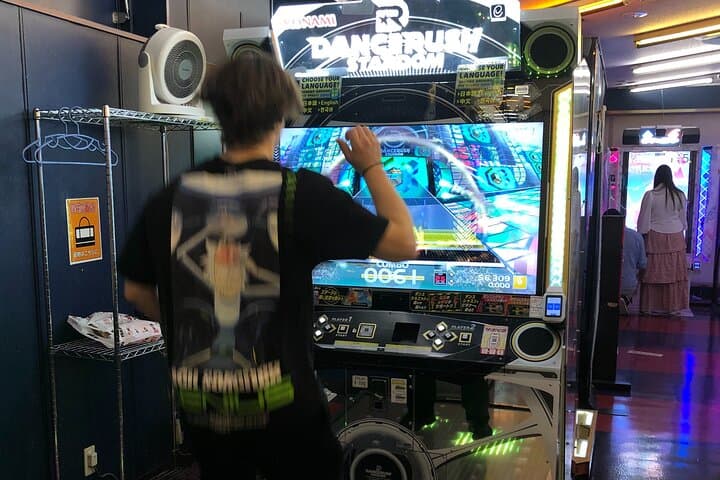
You step out of JR Akihabara Station and the street hits you like a live wire—neon signs blink, arcade music pulses, and costumed characters move through crowds selling erasable moments of fandom. This private walking tour hands you the map and lets you choose the stops: retro arcades, Radio Kaikan’s stacked floors, a maid café performance, and the quiet, shrine-lined contrast at Kanda Myojin.
You step out of JR Akihabara Station and the street hits you like a live wire—neon signs blink, arcade music pulses, and costumed characters move through crowds selling erasable moments of fandom. This private walking tour hands you the map and lets you choose the stops: retro arcades, Radio Kaikan’s stacked floors, a maid café performance, and the quiet, shrine-lined contrast at Kanda Myojin.
Akihabara’s spine was laid in the postwar years as an electronics market; by the 1980s it had evolved into Japan’s pop-culture crossroads. Geologically, Tokyo’s eastern districts sit on low-lying alluvial plains near the Kanda River, so the neighborhood’s dense, vertical shops grew upward rather than outward. Culturally, Akihabara is equal parts collector’s market and living subculture—shops sell limited figures, secondhand games, and niche goods that signal insider knowledge.
Local insights: Radio Kaikan rewards patient browsing for rare collectibles; arcades like SEGA offer coin-op classics alongside modern rhythm games; Kanda Myojin provides a slower, traditional counterpoint and is a popular spot for anime-related prayers.
Practical guidance: choose a 3–6 hour window depending on how deep you want to dig—collecting vinyl figures takes time. Bring yen for cash-only stalls and small purchases, carry a portable charger for photos and translation apps, and book maid cafés in advance if you want a guaranteed seat. Wear comfortable shoes—expect standing and stairs—and set a meeting point for pickup/drop-off if you’re moving on after the tour.