THE ADVENTURE COLLECTIVE® · Independent discovery and booking for outdoor travel

Explore Akihabara’s electric streets on a three-hour guided tour that mixes arcades, multi-level anime shops, and a maid café visit. Learn how this former electronics district became Tokyo’s otaku hub while getting practical tips for games, shopping and etiquette.
Explore Akihabara’s electric streets on a three-hour guided tour that mixes arcades, multi-level anime shops, and a maid café visit. Learn how this former electronics district became Tokyo’s otaku hub while getting practical tips for games, shopping and etiquette.
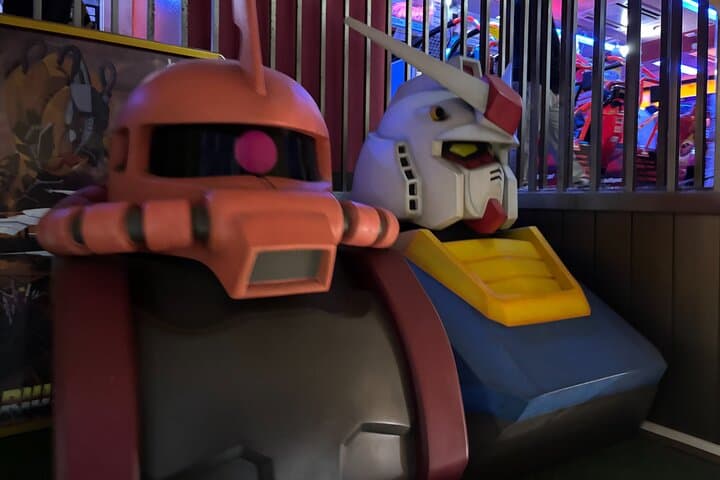
The neon around Akihabara Station hits like a pulse — billboards flash, arcade crowds hum, and vending machines keep time with the city’s rhythm. Start here and you feel the neighborhood’s energy: electric signs calling you into narrow alleys, cranes clacking as players chase plush prizes, and the polite choreography of waitstaff in themed cafés.
Verified experiences and guided adventures in the surrounding area.
Operated by YURAGI · Tokyo, Tokyo
The neon around Akihabara Station hits like a pulse — billboards flash, arcade crowds hum, and vending machines keep time with the city’s rhythm. Start here and you feel the neighborhood’s energy: electric signs calling you into narrow alleys, cranes clacking as players chase plush prizes, and the polite choreography of waitstaff in themed cafés.
Akihabara began as a postwar electronics district—“Electric Town”—and over decades transformed into Japan’s center for fans of anime, manga, idols and retro gaming. The area sits on the flat Kantō Plain near the Kanda River, its modern concrete grid overlaying older merchant routes; that urban geology shaped how businesses clustered and how culture concentrated here.
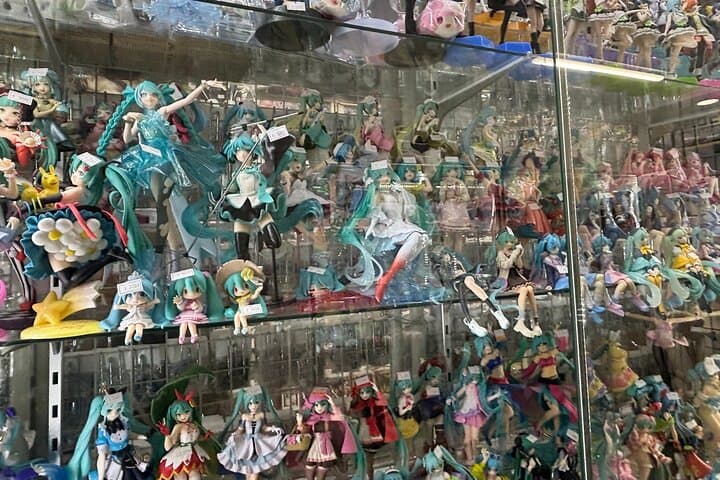
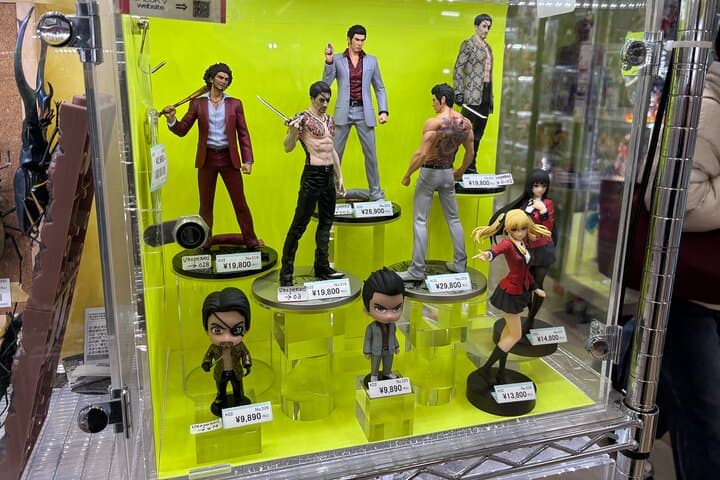
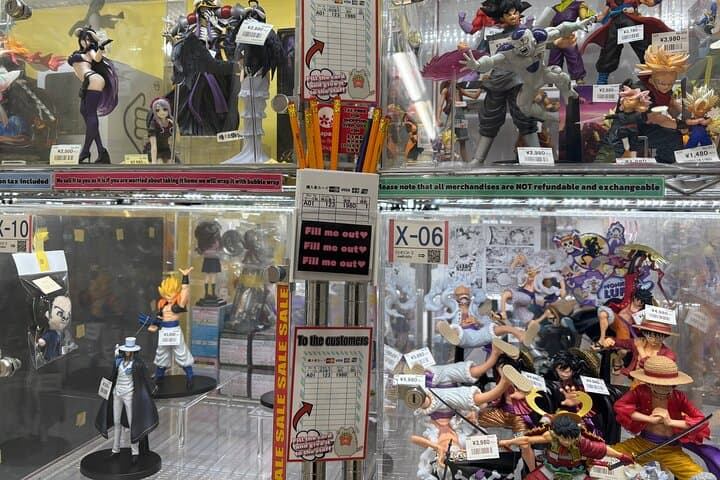
On a three-hour guided walk you’ll visit multi-level anime shops, test skills at rhythm machines and crane games, spin a gachapon, and enter a maid café for a short served experience. Guides explain fandom practices like oshi-katsu, the economics of collectibles, and basic etiquette for concept cafés.
Practical note: expect a lot of standing and short bursts of walking on flat pavement; pockets of crowds form around popular stores and arcades. Bring small bills and coins for games and souvenirs, and follow the café’s photo rules — staff performances are part show, part hospitality, and rules vary. The tour runs about three hours and is suitable for most fitness levels; it’s best scheduled outside weekday rush hours to avoid commuter peaks. This is an urban sensory sprint: fast, playful, and structured to introduce the neighborhood’s sights, sounds and codes so you can explore Akihabara with confidence.
easy.
3 hours.
Suitable for most fitness levels; requires standing, short walks, and navigating crowded sidewalks.
The tour runs about three hours and involves short walks between nearby shops and arcades with periods of standing inside venues.
Yes—guides provide context and etiquette; the included drink or dessert offers a brief, managed introduction to the concept café experience.
No—shopping, arcade games and additional food/drinks beyond the included café item are at your own expense.
Meet near Akihabara Station; the exact meeting point is provided after booking—public transport access is convenient from central Tokyo.
Akihabara transitioned from a postwar electronics hub into an otaku center from the 1980s–2000s as anime, gaming and collectible cultures commercialized and concentrated here.
Keep streets tidy and avoid blocking sidewalks; support small retailers and follow venue rules on photography to respect workers and local businesses.
YURAGI operates guided outdoor trips and adventures with an emphasis on safety, stewardship, and memorable experiences.
The neon around Akihabara Station hits like a pulse — billboards flash, arcade crowds hum, and vending machines keep time with the city’s rhythm. Start here and you feel the neighborhood’s energy: electric signs calling you into narrow alleys, cranes clacking as players chase plush prizes, and the polite choreography of waitstaff in themed cafés.
The neon around Akihabara Station hits like a pulse — billboards flash, arcade crowds hum, and vending machines keep time with the city’s rhythm. Start here and you feel the neighborhood’s energy: electric signs calling you into narrow alleys, cranes clacking as players chase plush prizes, and the polite choreography of waitstaff in themed cafés.
Akihabara began as a postwar electronics district—“Electric Town”—and over decades transformed into Japan’s center for fans of anime, manga, idols and retro gaming. The area sits on the flat Kantō Plain near the Kanda River, its modern concrete grid overlaying older merchant routes; that urban geology shaped how businesses clustered and how culture concentrated here.
On a three-hour guided walk you’ll visit multi-level anime shops, test skills at rhythm machines and crane games, spin a gachapon, and enter a maid café for a short served experience. Guides explain fandom practices like oshi-katsu, the economics of collectibles, and basic etiquette for concept cafés.
Practical note: expect a lot of standing and short bursts of walking on flat pavement; pockets of crowds form around popular stores and arcades. Bring small bills and coins for games and souvenirs, and follow the café’s photo rules — staff performances are part show, part hospitality, and rules vary. The tour runs about three hours and is suitable for most fitness levels; it’s best scheduled outside weekday rush hours to avoid commuter peaks. This is an urban sensory sprint: fast, playful, and structured to introduce the neighborhood’s sights, sounds and codes so you can explore Akihabara with confidence.