THE ADVENTURE COLLECTIVE® · Independent discovery and booking for outdoor travel

Wander into Akihabara’s electric lanes of retro games, rare figurines, and a one-hour maid café experience. This 3.5-hour guided loop mixes insider shops with hands-on arcade time—ideal for anime and gaming fans.
Wander into Akihabara’s electric lanes of retro games, rare figurines, and a one-hour maid café experience. This 3.5-hour guided loop mixes insider shops with hands-on arcade time—ideal for anime and gaming fans.
A pulse of neon and the clack of arcade joysticks greet you as you step off the train into Akihabara’s electric heart. The main street pushes forward like a living arcade—storefronts stacked with figurines, vinyl manga spines, and glass cabinets that blink like treasure chests. You follow the guide into tighter alleys where retro cartridges and retro cabinets crowd into dim, fragrant shops, then settle in for a whimsical hour at a maid café over a parfait and staged photo.
Verified experiences and guided adventures in the surrounding area.
Operated by gotcha · Tokyo, Tokyo
A pulse of neon and the clack of arcade joysticks greet you as you step off the train into Akihabara’s electric heart. The main street pushes forward like a living arcade—storefronts stacked with figurines, vinyl manga spines, and glass cabinets that blink like treasure chests. You follow the guide into tighter alleys where retro cartridges and retro cabinets crowd into dim, fragrant shops, then settle in for a whimsical hour at a maid café over a parfait and staged photo.
Akihabara’s story is practical and surprising: once a postwar electronics market at the edge of the Imperial railway network, the district evolved in the 1980s–90s into an epicenter of otaku culture. Its streets are as much cultural artifact as shopping strip—Radio Kaikan and long-running shops like Super Potato chart the arc of gaming history while nearby Kanda Myojin offers a quieter Shinto counterpoint.
Expect close indoor walking, brief queueing at popular shops, and a roughly 3.5-hour loop that mixes curated stops with free time for purchases (buying is extra). The terrain is flat pavement and stairs; weather can make streets humid or slick, so timing matters—early evenings light up the neon but draw bigger crowds.
Practical tips: bring small bills and an IC transit card, a fully charged phone for photos and translations, comfortable shoes for urban walking, and a respectful attitude toward staff and café etiquette. This tour is a compact dive into Tokyo’s modern pop culture—sensory, social, and easy to slot into a full city itinerary.
easy.
3–3.5 hours.
Light urban fitness: able to walk and stand for several hours with short indoor climbs
The tour includes time at a maid café and a parfait, but additional purchases or special services at the café are extra.
Yes—it's physically easy and stroller-accessible; check café age policies and supervision requirements for minors.
Yes. Purchases are not included in the tour price; shops accept cash and some accept cards—small bills are useful.
Expect flat urban walking with intermittent stairs in older shops; wear comfortable shoes and be prepared to stand during visits.
Akihabara grew from a post-WWII electronics market into the global center of otaku culture during the 1980s–90s, driven by hobby shops, manga, and arcade culture.
Crowded storefronts and narrow alleys make respectful behavior important—avoid littering, minimize single-use plastics, and follow shop photo rules to reduce impact.
gotcha operates guided outdoor trips and adventures with an emphasis on safety, stewardship, and memorable experiences.
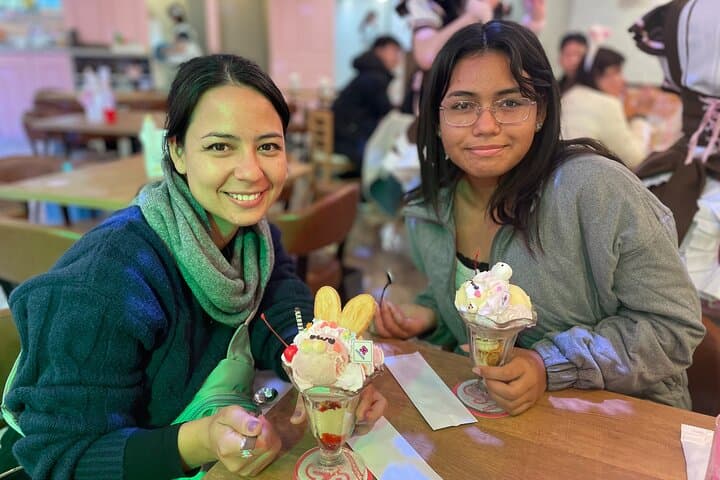
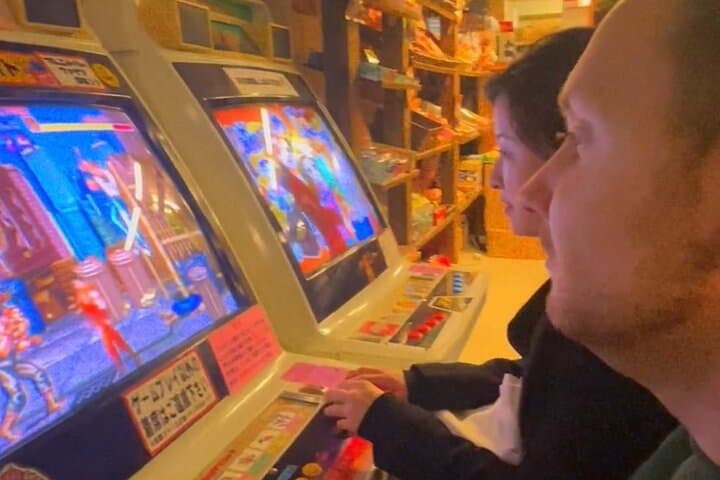


A pulse of neon and the clack of arcade joysticks greet you as you step off the train into Akihabara’s electric heart. The main street pushes forward like a living arcade—storefronts stacked with figurines, vinyl manga spines, and glass cabinets that blink like treasure chests. You follow the guide into tighter alleys where retro cartridges and retro cabinets crowd into dim, fragrant shops, then settle in for a whimsical hour at a maid café over a parfait and staged photo.
A pulse of neon and the clack of arcade joysticks greet you as you step off the train into Akihabara’s electric heart. The main street pushes forward like a living arcade—storefronts stacked with figurines, vinyl manga spines, and glass cabinets that blink like treasure chests. You follow the guide into tighter alleys where retro cartridges and retro cabinets crowd into dim, fragrant shops, then settle in for a whimsical hour at a maid café over a parfait and staged photo.
Akihabara’s story is practical and surprising: once a postwar electronics market at the edge of the Imperial railway network, the district evolved in the 1980s–90s into an epicenter of otaku culture. Its streets are as much cultural artifact as shopping strip—Radio Kaikan and long-running shops like Super Potato chart the arc of gaming history while nearby Kanda Myojin offers a quieter Shinto counterpoint.
Expect close indoor walking, brief queueing at popular shops, and a roughly 3.5-hour loop that mixes curated stops with free time for purchases (buying is extra). The terrain is flat pavement and stairs; weather can make streets humid or slick, so timing matters—early evenings light up the neon but draw bigger crowds.
Practical tips: bring small bills and an IC transit card, a fully charged phone for photos and translations, comfortable shoes for urban walking, and a respectful attitude toward staff and café etiquette. This tour is a compact dive into Tokyo’s modern pop culture—sensory, social, and easy to slot into a full city itinerary.