THE ADVENTURE COLLECTIVE® · Independent discovery and booking for outdoor travel

Explore Akihabara on a private 80–100 minute walk that traces the district’s shift from postwar electronics market to global otaku center. Learn about shrine practices, surviving parts stalls, and the cultural forces that reshaped this corner of Tokyo.
Explore Akihabara on a private 80–100 minute walk that traces the district’s shift from postwar electronics market to global otaku center. Learn about shrine practices, surviving parts stalls, and the cultural forces that reshaped this corner of Tokyo.
Stepping out of Akihabara Station, the air feels charged—neon signs pulse over crowded sidewalks, while narrow side streets hum with the mechanical language of parts sellers. The tour guides you through these layers: battered storefronts that still sell circuit boards, shiny anime megastores, and the quieter shrine courtyards that sit a few blocks away like an older city's steady heartbeat.
Verified experiences and guided adventures in the surrounding area.
Operated by OTAKU TOUR in AKIHABARA · Tokyo, Tokyo
Stepping out of Akihabara Station, the air feels charged—neon signs pulse over crowded sidewalks, while narrow side streets hum with the mechanical language of parts sellers. The tour guides you through these layers: battered storefronts that still sell circuit boards, shiny anime megastores, and the quieter shrine courtyards that sit a few blocks away like an older city's steady heartbeat.
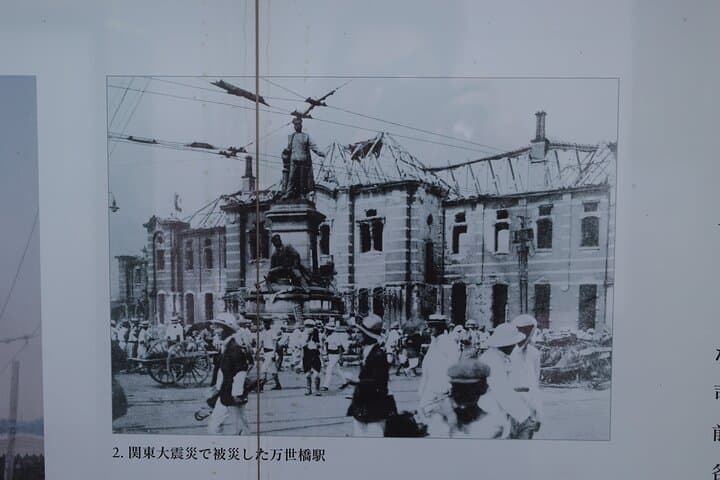
Akihabara's story is a compact lesson in 20th‑century Tokyo: a wartime black market that became 'Electric Town' in the postwar boom, then evolved into the global hub of otaku culture by the 1990s. The neighborhood's architecture reflects that shift—low industrial sheds and midcentury retail fitted between glassy modern towers. Cultural notes come fast: differences between shrines and temples, the practical origins of parts stalls, and how maid cafés grew from niche subculture to tourist icon.
Expect a walking rhythm—short blocks, frequent stops for stories and photos, and plenty of sensory contrast between busy Chuo‑dori and hidden alleys. The guide points out surviving landmarks like older wooden storefronts and the modern icons that replaced them.
Practical guidance: wear comfortable shoes and bring a power bank for photos; sidewalks get congested at peak hours. If you want quieter moments, aim for morning departures when the district is setting up rather than mid‑afternoon when crowds spike. Respect shop photography rules, and carry small change for specialty stores and vending machines. This private, approximately 80–100 minute walk folds local history and contemporary culture into a compact, accessible urban adventure.
easy.
80–100 minutes.
Suitable for all fitness levels; expect 1–2 miles of walking on flat city streets
Most tours meet at the main Akihabara Station central exit; exact meeting details are provided after booking.
Yes—this is a low‑effort walking tour with short blocks and frequent stops, suitable for a wide range of ages.
The itinerary explains these venues and their history but usually does not include admission; check the tour details or request additions when booking.
Language options vary by operator—confirm availability when you book to ensure a guide in your preferred language.
Akihabara rose from a postwar black market and electrical goods district into 'Electric Town' during Japan’s postwar recovery; by the late 20th century it had shifted toward anime, gaming, and subculture commerce.
Akihabara operates as dense urban retail—respect local businesses, avoid blocking sidewalks, and follow shop photo policies to reduce friction and waste.
OTAKU TOUR in AKIHABARA operates guided outdoor trips and adventures with an emphasis on safety, stewardship, and memorable experiences.
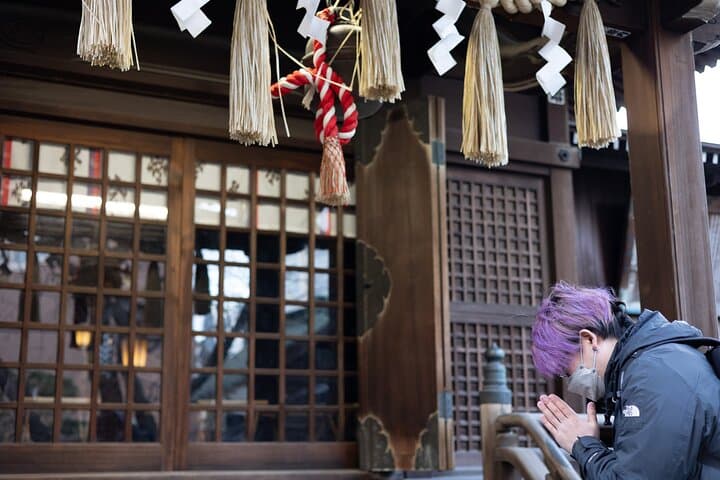
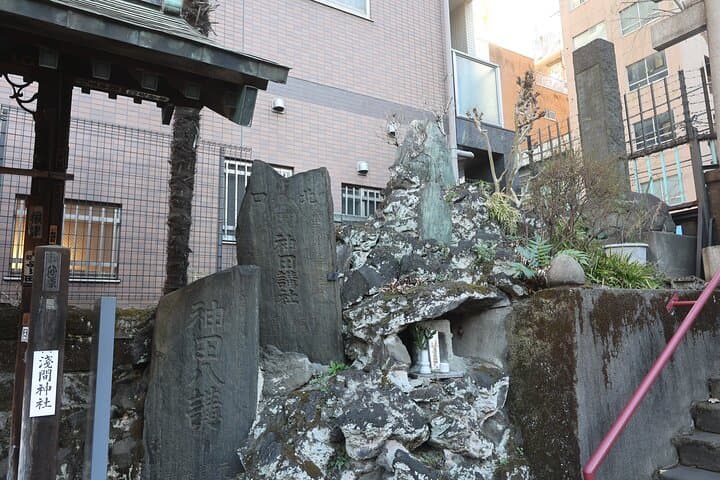
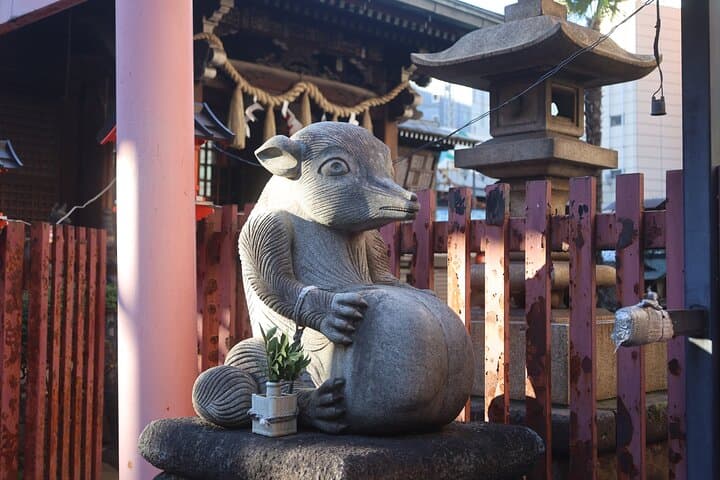
Stepping out of Akihabara Station, the air feels charged—neon signs pulse over crowded sidewalks, while narrow side streets hum with the mechanical language of parts sellers. The tour guides you through these layers: battered storefronts that still sell circuit boards, shiny anime megastores, and the quieter shrine courtyards that sit a few blocks away like an older city's steady heartbeat.
Stepping out of Akihabara Station, the air feels charged—neon signs pulse over crowded sidewalks, while narrow side streets hum with the mechanical language of parts sellers. The tour guides you through these layers: battered storefronts that still sell circuit boards, shiny anime megastores, and the quieter shrine courtyards that sit a few blocks away like an older city's steady heartbeat.
Akihabara's story is a compact lesson in 20th‑century Tokyo: a wartime black market that became 'Electric Town' in the postwar boom, then evolved into the global hub of otaku culture by the 1990s. The neighborhood's architecture reflects that shift—low industrial sheds and midcentury retail fitted between glassy modern towers. Cultural notes come fast: differences between shrines and temples, the practical origins of parts stalls, and how maid cafés grew from niche subculture to tourist icon.
Expect a walking rhythm—short blocks, frequent stops for stories and photos, and plenty of sensory contrast between busy Chuo‑dori and hidden alleys. The guide points out surviving landmarks like older wooden storefronts and the modern icons that replaced them.
Practical guidance: wear comfortable shoes and bring a power bank for photos; sidewalks get congested at peak hours. If you want quieter moments, aim for morning departures when the district is setting up rather than mid‑afternoon when crowds spike. Respect shop photography rules, and carry small change for specialty stores and vending machines. This private, approximately 80–100 minute walk folds local history and contemporary culture into a compact, accessible urban adventure.