THE ADVENTURE COLLECTIVE® · Independent discovery and booking for outdoor travel

Explore Akihabara on a 2.5-hour walking tour through arcades, retro game shops, and anime stores. Learn the neighborhood’s modern history while getting practical tips for shopping, transit, and avoiding the crowds.
Explore Akihabara on a 2.5-hour walking tour through arcades, retro game shops, and anime stores. Learn the neighborhood’s modern history while getting practical tips for shopping, transit, and avoiding the crowds.
You step out of Akihabara Station into a corridor of neon, coin-operated arcades and storefront windows stacked with boxed figures. The air hums with pachinko echoes and vending-machine chimes; storefronts lean forward like shops eager to show you one more rare cartridge.
Verified experiences and guided adventures in the surrounding area.
Operated by gotcha · Tokyo, Tokyo
You step out of Akihabara Station into a corridor of neon, coin-operated arcades and storefront windows stacked with boxed figures. The air hums with pachinko echoes and vending-machine chimes; storefronts lean forward like shops eager to show you one more rare cartridge.
Akihabara’s story moves from a post-war electronics market on the flat Kanto Plain to an international center of otaku culture. The district’s straight, low-lying streets—built on alluvial sediments of the Sumida River basin—make for an easy walk, but the real draw is cultural: shopfronts, retro game stacks, and the shrine of fandom around Chuo-dori.
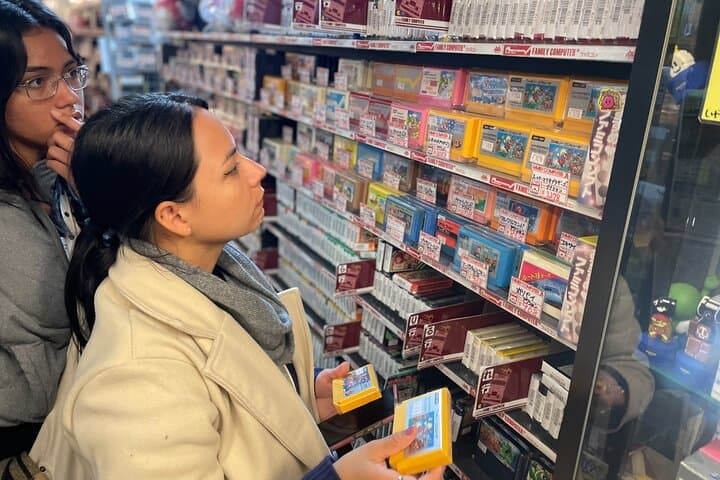
Expect 2–3 kilometers of mostly flat pavement over roughly 2.5 hours with frequent stops: browsing stores like Mandarake, hunting for rare titles at Super Potato (gaming fee usually included), and sampling capsule machines in narrow alleys. Crowds peak evenings and weekends; mornings are quieter and better for focused shopping.
Practical pointers: carry small bills and an IC transit card for quick museum-style purchases; many specialist shops prefer cash. Wear comfortable shoes and bring a phone battery—photo ops and impulse finds add weight to a pack. If you’re sensitive to sensory overload, plan a short break at Kanda Myojin, a 10-minute walk away, for a quieter view into local shrine culture.
This tour is straightforward for most fitness levels, accessible by multiple JR and subway lines, and ideal for collectors, gamers, and anyone wanting a concentrated study of modern urban fandom.
easy.
2–2.5 hours.
Light walking and standing; suitable for most activity levels with basic mobility.
The tour notes that the gaming fee at Super Potato is included in the listed inclusions, but check the booking details for any updates.
Yes—activity is low-intensity and stroller accessible; infants must sit on laps per operator policy.
Akihabara is served by JR Akihabara Station and several Tokyo Metro lines; use the Electric Town (Akihabara) exit for the shortest walk to main sites.
For a full refund, cancel at least 24 hours before the scheduled departure time; same-day cancellations are generally non-refundable.
Akihabara evolved from a post-WWII electronics market into a global center for anime, manga, and retro gaming culture through the late 20th century.
Akihabara is urban and high-traffic—pack out purchases’ packaging when possible and support shops that use minimal plastic to reduce waste.
gotcha operates guided outdoor trips and adventures with an emphasis on safety, stewardship, and memorable experiences.
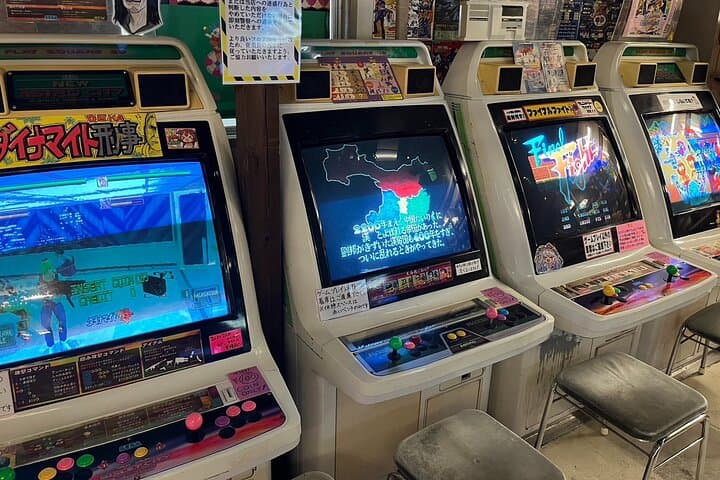

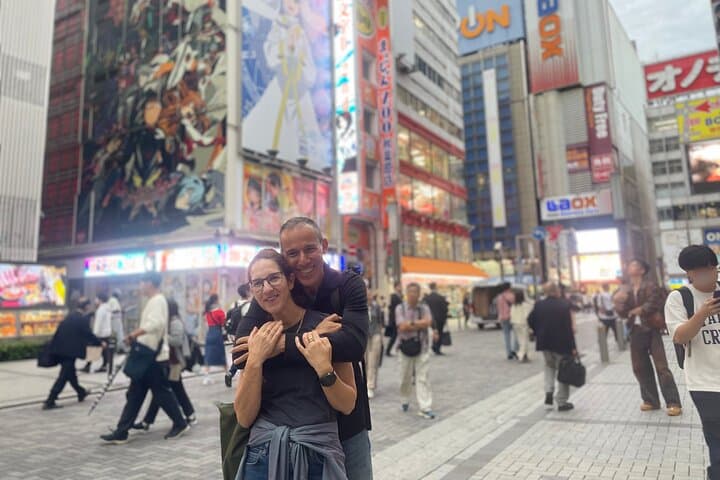
You step out of Akihabara Station into a corridor of neon, coin-operated arcades and storefront windows stacked with boxed figures. The air hums with pachinko echoes and vending-machine chimes; storefronts lean forward like shops eager to show you one more rare cartridge.
You step out of Akihabara Station into a corridor of neon, coin-operated arcades and storefront windows stacked with boxed figures. The air hums with pachinko echoes and vending-machine chimes; storefronts lean forward like shops eager to show you one more rare cartridge.
Akihabara’s story moves from a post-war electronics market on the flat Kanto Plain to an international center of otaku culture. The district’s straight, low-lying streets—built on alluvial sediments of the Sumida River basin—make for an easy walk, but the real draw is cultural: shopfronts, retro game stacks, and the shrine of fandom around Chuo-dori.
Expect 2–3 kilometers of mostly flat pavement over roughly 2.5 hours with frequent stops: browsing stores like Mandarake, hunting for rare titles at Super Potato (gaming fee usually included), and sampling capsule machines in narrow alleys. Crowds peak evenings and weekends; mornings are quieter and better for focused shopping.
Practical pointers: carry small bills and an IC transit card for quick museum-style purchases; many specialist shops prefer cash. Wear comfortable shoes and bring a phone battery—photo ops and impulse finds add weight to a pack. If you’re sensitive to sensory overload, plan a short break at Kanda Myojin, a 10-minute walk away, for a quieter view into local shrine culture.
This tour is straightforward for most fitness levels, accessible by multiple JR and subway lines, and ideal for collectors, gamers, and anyone wanting a concentrated study of modern urban fandom.