THE ADVENTURE COLLECTIVE® · Independent discovery and booking for outdoor travel

Explore Akihabara with a local guide: find rare anime collectibles, play retro arcade games and optionally visit a maid café. This compact walking tour blends insider shopping tips with hands-on gaming fun.
Explore Akihabara with a local guide: find rare anime collectibles, play retro arcade games and optionally visit a maid café. This compact walking tour blends insider shopping tips with hands-on gaming fun.
Neon lines the street like an impatient crowd; arcade speakers buzz and character posters lean out from shopfronts, daring you to step inside. Your guide waits by the Vie de France café at Akihabara’s Electric Gate exit, map in hand and enthusiasm in their voice. From there the neighborhood unfolds—multi-story shops, narrow alleys of secondhand treasures, and the cheerful chaos of arcades where Mario Kart races echo through the night.
Verified experiences and guided adventures in the surrounding area.
Operated by Sunrise Adventure · Tokyo, Tokyo
Neon lines the street like an impatient crowd; arcade speakers buzz and character posters lean out from shopfronts, daring you to step inside. Your guide waits by the Vie de France café at Akihabara’s Electric Gate exit, map in hand and enthusiasm in their voice. From there the neighborhood unfolds—multi-story shops, narrow alleys of secondhand treasures, and the cheerful chaos of arcades where Mario Kart races echo through the night.
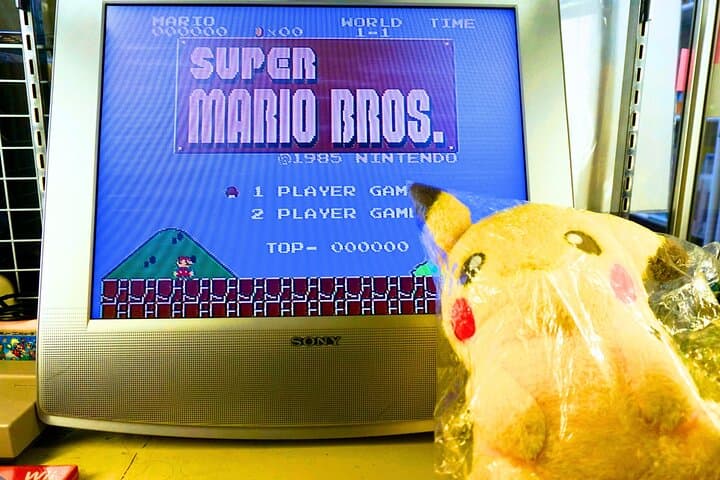
Akihabara began as an electronics district after World War II and evolved through the 1980s and ’90s into the international epicenter of otaku culture. Its streets reveal layers of Tokyo’s modern social history: technology markets, collector economies, and a youth-driven pop-culture scene that exports manga, anime and retro gaming worldwide. Walk past Lashinbang and Mandarake to see collectors’ floors stacked with rare boxes; stop at Super Potato to feel the plastic of an 8‑bit past in your hands.
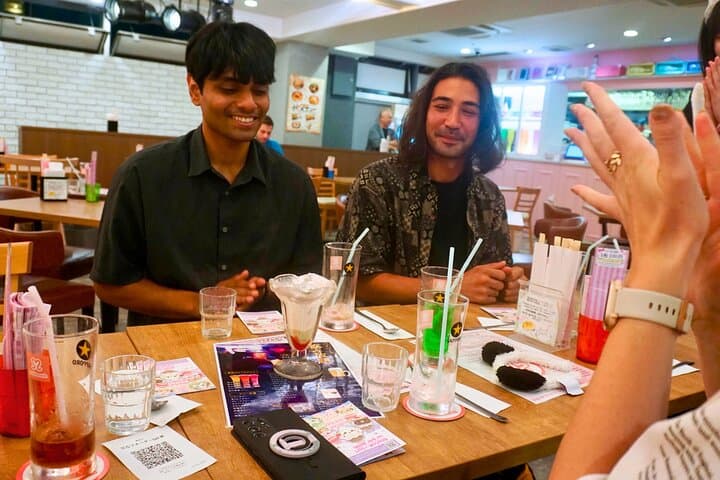
Practical guidance: the standard walk runs about 2–3 hours and is low-impact but busy—wear comfortable shoes and plan for standing in arcades. Bring a charged phone (shops often lack plugs) and cash for small vendors; many specialty stores accept cash first. If you choose the longer option, the maid café visit includes a drink and a Polaroid—observe local etiquette and follow your guide’s directions on photos and interaction. Timing matters: evenings are liveliest for arcades, midafternoons quieter for browsing. Listen to your guide; they’ll point you to tucked-away stores and help you avoid tourist traps while making each stop memorable.
easy.
2–3 hours.
Suitable for all fitness levels; expect a mix of standing, stairs in shops and short walks.
The standard tour is approximately 2–3 hours; meet your guide at Vie de France café by the Electric Gate exit of Akihabara Station.
The maid café is optional—choose the 3‑hour package to include a drink/dessert and a Polaroid photo.
Yes—many arcades and shops are family friendly, but some floors may have age restrictions or loud machines; ask your guide for child‑appropriate spots.
Large luggage is impractical—use coin lockers at Akihabara Station and keep a compact bag for purchases and personal items.
Originally an electronics wholesale district after WWII, Akihabara pivoted in the late 20th century into a global center for anime, manga and gaming subculture.
Pack out wrappers and receipts, support small independent shops, and follow local etiquette in cafés and attractions to minimize cultural impact.
Sunrise Adventure operates guided outdoor trips and adventures with an emphasis on safety, stewardship, and memorable experiences.
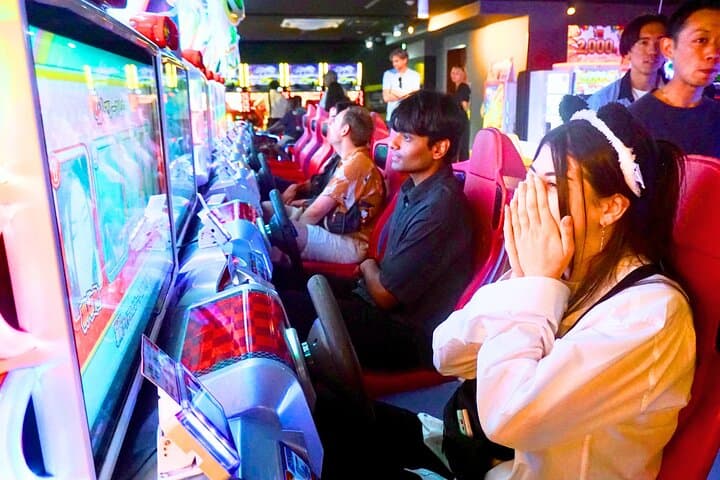

Neon lines the street like an impatient crowd; arcade speakers buzz and character posters lean out from shopfronts, daring you to step inside. Your guide waits by the Vie de France café at Akihabara’s Electric Gate exit, map in hand and enthusiasm in their voice. From there the neighborhood unfolds—multi-story shops, narrow alleys of secondhand treasures, and the cheerful chaos of arcades where Mario Kart races echo through the night.
Neon lines the street like an impatient crowd; arcade speakers buzz and character posters lean out from shopfronts, daring you to step inside. Your guide waits by the Vie de France café at Akihabara’s Electric Gate exit, map in hand and enthusiasm in their voice. From there the neighborhood unfolds—multi-story shops, narrow alleys of secondhand treasures, and the cheerful chaos of arcades where Mario Kart races echo through the night.
Akihabara began as an electronics district after World War II and evolved through the 1980s and ’90s into the international epicenter of otaku culture. Its streets reveal layers of Tokyo’s modern social history: technology markets, collector economies, and a youth-driven pop-culture scene that exports manga, anime and retro gaming worldwide. Walk past Lashinbang and Mandarake to see collectors’ floors stacked with rare boxes; stop at Super Potato to feel the plastic of an 8‑bit past in your hands.
Practical guidance: the standard walk runs about 2–3 hours and is low-impact but busy—wear comfortable shoes and plan for standing in arcades. Bring a charged phone (shops often lack plugs) and cash for small vendors; many specialty stores accept cash first. If you choose the longer option, the maid café visit includes a drink and a Polaroid—observe local etiquette and follow your guide’s directions on photos and interaction. Timing matters: evenings are liveliest for arcades, midafternoons quieter for browsing. Listen to your guide; they’ll point you to tucked-away stores and help you avoid tourist traps while making each stop memorable.