THE ADVENTURE COLLECTIVE® · Independent discovery and booking for outdoor travel

Navigate Akihabara’s neon alleys with a mobile app that blends a walking tour, scavenger hunt and pop-culture guide. Explore flagship shops, retro arcades and hidden hobby floors at your own pace.
Navigate Akihabara’s neon alleys with a mobile app that blends a walking tour, scavenger hunt and pop-culture guide. Explore flagship shops, retro arcades and hidden hobby floors at your own pace.
Step off the station steps into a corridor of neon and sound: pachinko chimes, arcade basslines and shopfronts stacked like pixelated shelves. This self-guided walking tour hands you a mobile map and a string of puzzles that steer you through Akihabara’s multi-level shops, retro arcades and themed cafés at your own pace.
Verified experiences and guided adventures in the surrounding area.
Operated by Leplace - interactive self-guided app tours · Tokyo, Tokyo
Step off the station steps into a corridor of neon and sound: pachinko chimes, arcade basslines and shopfronts stacked like pixelated shelves. This self-guided walking tour hands you a mobile map and a string of puzzles that steer you through Akihabara’s multi-level shops, retro arcades and themed cafés at your own pace.
Akihabara began as an electronics market after WWII and, by the 1980s–90s, evolved into Japan’s hub for otaku culture—manga, figures and gaming. The neighborhood sits on Tokyo’s low-lying Kanto plain near the Kanda River, so expect flat walking and densely packed streets rather than long climbs. Culture here mixes shrine-side tradition (Kanda Myojin is a short walk away) with the modern ritual of queuing for limited-edition figures and arcade high scores.
The app-led route highlights icons like Radio Hall, Super Potato and Tamashii Nations, while encouraging stops at lesser-known lanes and second-floor hobby shops. You’ll feel the place push and pull—crowds drawing you toward flagship stores, neon daring you to explore hidden floors.
Practical notes: allocate 60–120 minutes depending on browsing; bring a fully charged smartphone and portable battery, and wear comfortable shoes for uneven shop floors and stairs. Cash is still accepted in many specialty stores but most larger retailers take cards. Respect photo rules inside themed cafés and private shops; peak hours are evenings and weekends. This is an accessible urban walk for anime fans and first-time visitors who want a structured, flexible way to navigate Akihabara’s vertical world.
easy.
1–2 hours.
Suitable for most fitness levels; involves continuous walking and stairs but no steep terrain
No — this is a self-guided mobile tour with full flexibility; start any time during shop hours and proceed at your own pace.
Akihabara has many stairs and multi-level shops; while street-level exploration is possible, several points of interest are not wheelchair accessible.
The mobile app provides step-by-step guidance and puzzle prompts in multiple languages — check the confirmation email for language options and installation steps.
Yes, cafés are included as suggested stops but many require reservations or queues and may enforce photo or behavior rules.
Akihabara transformed from a post-war electronics market into the epicenter of otaku culture through the 1980s–90s as manga, anime and gaming communities consolidated here.
High pedestrian traffic creates litter and noise pressures; carry out trash, minimize single-use plastics from purchases, and follow local rules to reduce impact.
Leplace - interactive self-guided app tours operates guided outdoor trips and adventures with an emphasis on safety, stewardship, and memorable experiences.
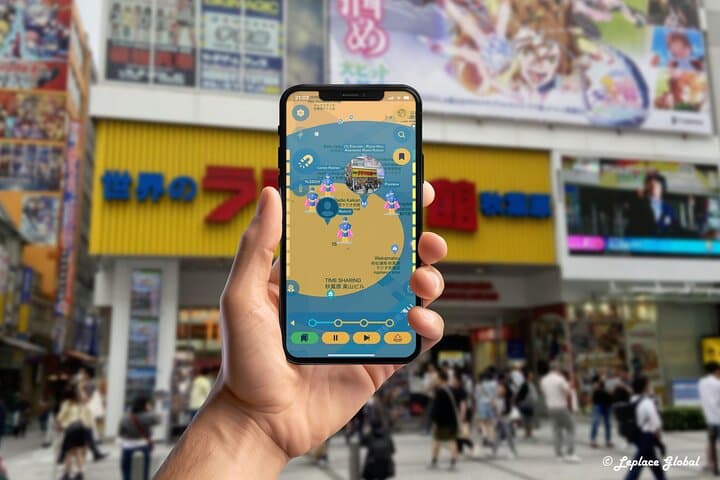
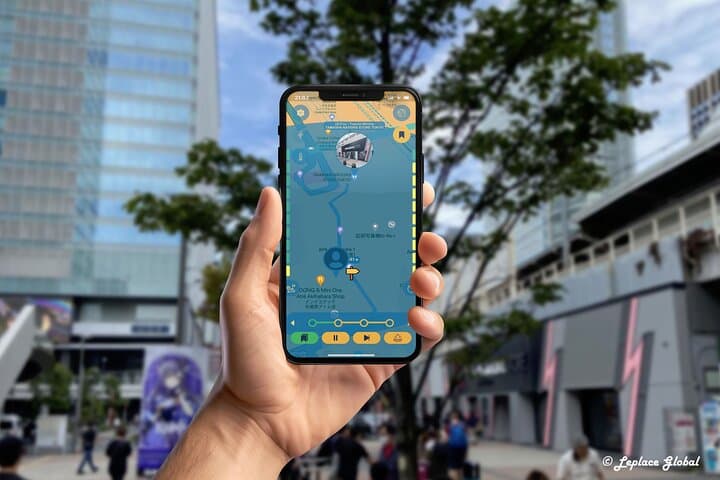
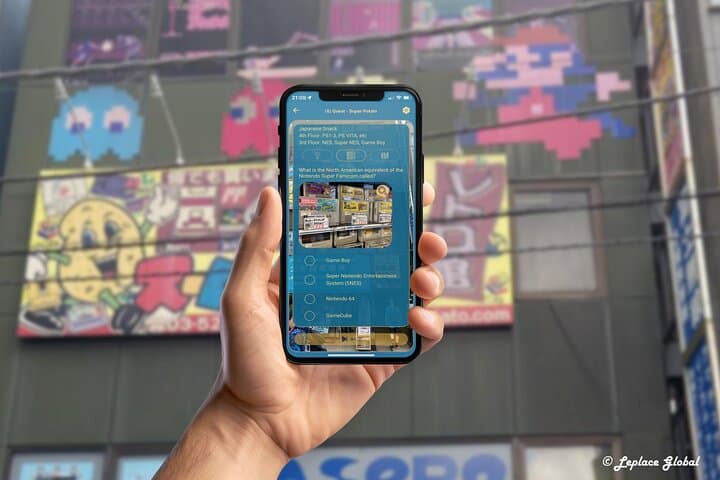
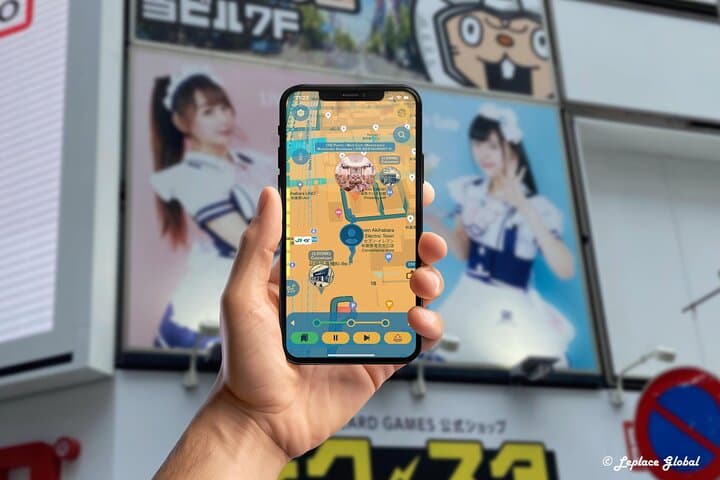
Step off the station steps into a corridor of neon and sound: pachinko chimes, arcade basslines and shopfronts stacked like pixelated shelves. This self-guided walking tour hands you a mobile map and a string of puzzles that steer you through Akihabara’s multi-level shops, retro arcades and themed cafés at your own pace.
Step off the station steps into a corridor of neon and sound: pachinko chimes, arcade basslines and shopfronts stacked like pixelated shelves. This self-guided walking tour hands you a mobile map and a string of puzzles that steer you through Akihabara’s multi-level shops, retro arcades and themed cafés at your own pace.
Akihabara began as an electronics market after WWII and, by the 1980s–90s, evolved into Japan’s hub for otaku culture—manga, figures and gaming. The neighborhood sits on Tokyo’s low-lying Kanto plain near the Kanda River, so expect flat walking and densely packed streets rather than long climbs. Culture here mixes shrine-side tradition (Kanda Myojin is a short walk away) with the modern ritual of queuing for limited-edition figures and arcade high scores.
The app-led route highlights icons like Radio Hall, Super Potato and Tamashii Nations, while encouraging stops at lesser-known lanes and second-floor hobby shops. You’ll feel the place push and pull—crowds drawing you toward flagship stores, neon daring you to explore hidden floors.
Practical notes: allocate 60–120 minutes depending on browsing; bring a fully charged smartphone and portable battery, and wear comfortable shoes for uneven shop floors and stairs. Cash is still accepted in many specialty stores but most larger retailers take cards. Respect photo rules inside themed cafés and private shops; peak hours are evenings and weekends. This is an accessible urban walk for anime fans and first-time visitors who want a structured, flexible way to navigate Akihabara’s vertical world.