THE ADVENTURE COLLECTIVE® · Independent discovery and booking for outdoor travel

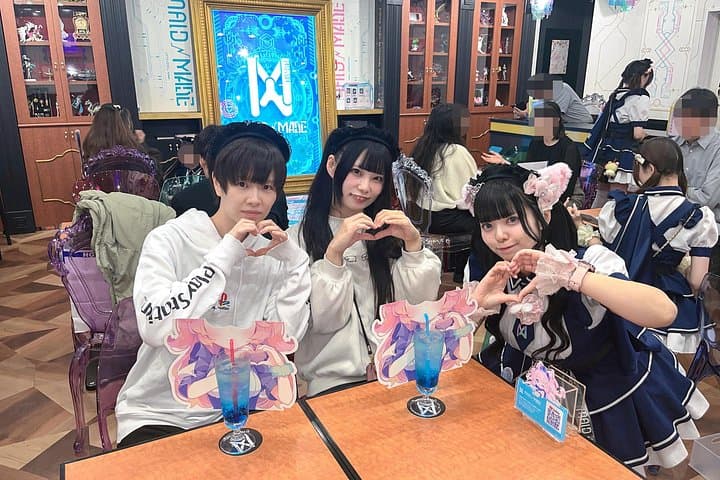
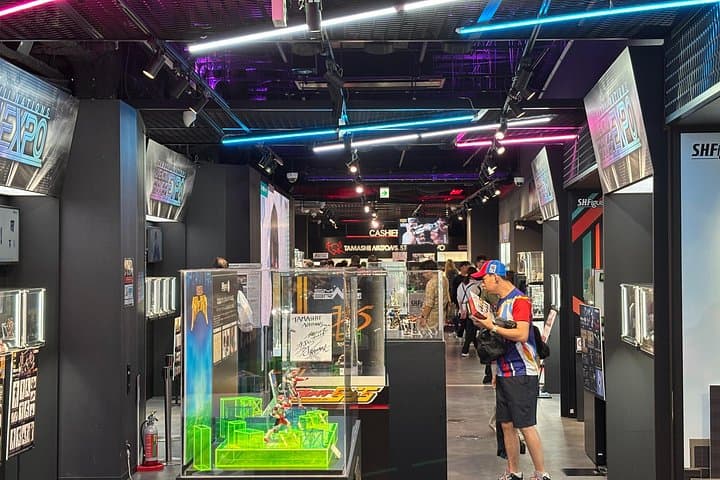
Walk through Akihabara’s bright alleys where retro electronics meet modern anime culture. This guided stroll covers Electric Town, multi-floor figure shops, arcades, and a classic maid café—perfect for fans and curious visitors alike.
Walk through Akihabara’s bright alleys where retro electronics meet modern anime culture. This guided stroll covers Electric Town, multi-floor figure shops, arcades, and a classic maid café—perfect for fans and curious visitors alike.
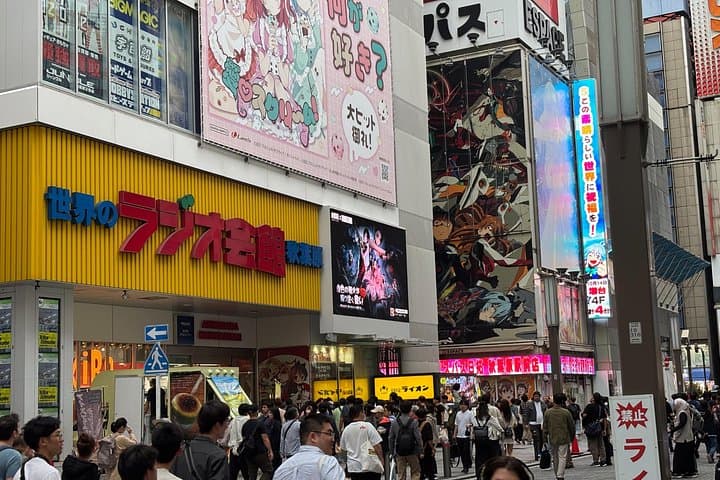
The neon leans in close as you step from the station: narrow streets hum with arcade clangs, billboards pitch larger-than-life characters, and tiny shops spill shelves of figures and retro consoles. The walk moves at city pace—quick, sensory, and full of little discoveries—each storefront a micro-museum of Japan’s gadget and pop-culture obsessions.
Verified experiences and guided adventures in the surrounding area.
Operated by Japan_guide_tour · Tokyo, Tokyo
The neon leans in close as you step from the station: narrow streets hum with arcade clangs, billboards pitch larger-than-life characters, and tiny shops spill shelves of figures and retro consoles. The walk moves at city pace—quick, sensory, and full of little discoveries—each storefront a micro-museum of Japan’s gadget and pop-culture obsessions.
Akihabara began after World War II as an electronics bazaar; its postwar rows of radio parts evolved into today’s Electric Town and the multi-level anime stores that define modern otaku culture. You’ll pass arcades that still thud with tokens, maid cafés that perform ritual hospitality, and vintage stalls where hardware history sits beside collectible vinyls.
The geology here isn’t about rock but layers of urban reinvention: postwar industry, 1980s consumer boom, and 21st‑century fandom culture stacked into alleys and high-rise storefronts. Local culture blends intense fan communities with meticulous retail craft—expect polite service, clear queues, and strict photography rules in some venues.
Practical side: the route is mostly flat pavement and stairs in multi-floor shops; bring comfortable shoes and a charged phone for translations and payments. Cash is still common in smaller stores. Visit mid-morning on a weekday for shorter lines, and allow 3–4 hours to browse, pop into an arcade, and finish at a maid café (reserve if possible). Be respectful of staff and fellow visitors: ask before photographing performances and follow café rules. This tour is sensory, social, and highly walkable—ideal for curious travelers who like detail-oriented retail rabbit holes and playful urban scenes.
easy.
3–4 hours.
Light walking fitness; suitable for most people who can stand and climb short flights of stairs.
The experience lasts about 3.5 hours (allow 3–4 hours) and includes stops in Electric Town, anime shops, arcades, and a maid café visit.
Reservations are recommended for popular maid cafés, especially on weekends and evenings; some cafés accept walk-ins but may have wait times.
Yes—this is family-friendly, but some maid cafés have age restrictions and photography rules, so check venue policies beforehand.
Major stores and cafés often accept cards, but many small shops and arcades are cash-only—bring yen for small purchases.
Akihabara transformed from a postwar radio-parts market into Electric Town by the 1950s and later into an otaku hub during the 1980s and 1990s anime and gaming boom.
High foot traffic stresses narrow streets and storefronts; follow local rules for queues and waste disposal, and use reusable bags to minimize single-use plastic.
Japan_guide_tour operates guided outdoor trips and adventures with an emphasis on safety, stewardship, and memorable experiences.

The neon leans in close as you step from the station: narrow streets hum with arcade clangs, billboards pitch larger-than-life characters, and tiny shops spill shelves of figures and retro consoles. The walk moves at city pace—quick, sensory, and full of little discoveries—each storefront a micro-museum of Japan’s gadget and pop-culture obsessions.
The neon leans in close as you step from the station: narrow streets hum with arcade clangs, billboards pitch larger-than-life characters, and tiny shops spill shelves of figures and retro consoles. The walk moves at city pace—quick, sensory, and full of little discoveries—each storefront a micro-museum of Japan’s gadget and pop-culture obsessions.
Akihabara began after World War II as an electronics bazaar; its postwar rows of radio parts evolved into today’s Electric Town and the multi-level anime stores that define modern otaku culture. You’ll pass arcades that still thud with tokens, maid cafés that perform ritual hospitality, and vintage stalls where hardware history sits beside collectible vinyls.
The geology here isn’t about rock but layers of urban reinvention: postwar industry, 1980s consumer boom, and 21st‑century fandom culture stacked into alleys and high-rise storefronts. Local culture blends intense fan communities with meticulous retail craft—expect polite service, clear queues, and strict photography rules in some venues.
Practical side: the route is mostly flat pavement and stairs in multi-floor shops; bring comfortable shoes and a charged phone for translations and payments. Cash is still common in smaller stores. Visit mid-morning on a weekday for shorter lines, and allow 3–4 hours to browse, pop into an arcade, and finish at a maid café (reserve if possible). Be respectful of staff and fellow visitors: ask before photographing performances and follow café rules. This tour is sensory, social, and highly walkable—ideal for curious travelers who like detail-oriented retail rabbit holes and playful urban scenes.